
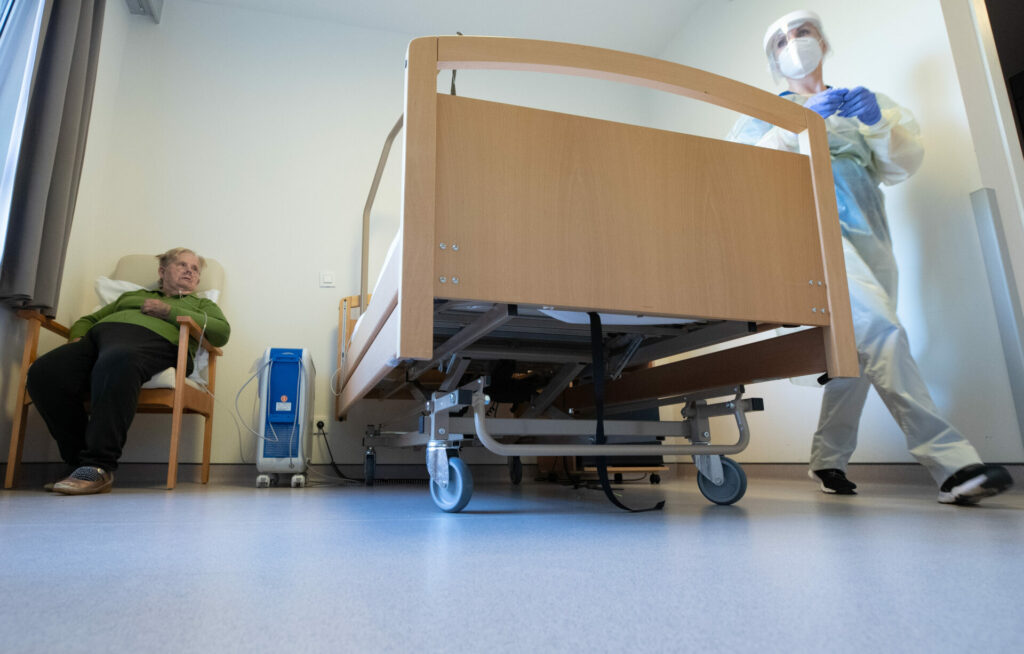
Two residents from nursing homes in Leuven have been hospitalised following an outbreak of the STEC bacterium, a harmful strain of E. coli.
A total of four cases have been confirmed so far, with several other residents showing symptoms that may be linked to the outbreak.
The infections were identified at two facilities in Leuven, Remy and Ter Putkapelle. STEC, short for Shiga Toxin-producing Escherichia coli, is a group of bacteria that normally live in the gut. While most E. coli strains are harmless, certain types—specifically STEC—produce Shiga toxins, which can cause serious damage to the intestines and kidneys.
“Such outbreaks are not extremely frequent but are not that rare either,” said Joris Moonens, spokesperson for the Agency for Care and Health (Agentschap Zorg en Gezondheid). “Not everyone becomes seriously ill, but in this case, the risks are higher due to the age and vulnerability of the nursing home residents. The infection, therefore, can have severe consequences.”
Two of the four confirmed cases are currently receiving treatment in hospital. “Several other residents exhibiting symptoms have been placed in room isolation while further investigations are ongoing,” Moonens added.
The infections are believed to stem from contaminated food, as transmission between individuals is rare. “The Federal Food Safety Agency is tracing suppliers and reviewing what residents ate to determine the source of the outbreak,” explained Moonens. “Meanwhile, the Agency for Care and Health is focusing on monitoring the affected residents.”
Investigations are continuing.
