
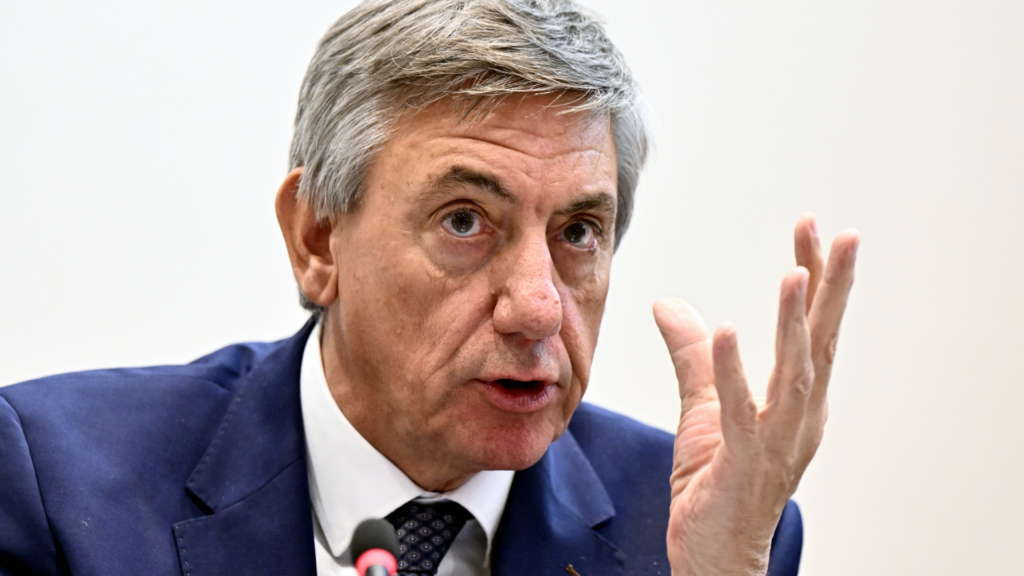
Those who retire early and have taken long-term sick leave will still face significant penalties in their pensions, according to plans proposed by Pensions Minister Jan Jambon (N-VA), as reported by De Morgen and Het Laatste Nieuws on Monday.
The draft law, presented to social partners on 25 August, proposes a calculation method that heavily penalises workers for extended periods of illness.
Under the formula, the total years of illness are divided by career length and multiplied by the additional months a person would need to work to avoid a pension penalty.
For instance, someone who began working at age 18 and was ill for 12 years would face severe consequences. After a 43-year career, which includes one year of unemployment, they could retire at 61. However, to bypass the penalty, they would need to work until the age of 66.
The introduction of financial penalties for early retirement with insufficient working years had already been approved by the government earlier this summer.
The "bonus-malus" system imposes either a deduction or an increase in pension payments based on how many years a person retires before or after the official retirement age.
Opposition parties, including Vooruit, CD&V and Les Engagés, have criticised the inclusion of long-term sick individuals in these penalties. They argue that those who have been seriously ill should not face additional punishment in their pensions.
'No one chooses to get sick'
Belgian unions have also strongly condemned pension reform plans. Unions argue that the adjustments are insufficient and that sick days will still be unfairly held against workers.
"The sting remains," said ACV President Ann Vermorgen, who warned that workers with interrupted careers or illness are at risk of financial hardship. "Stopping work earlier could lead to a lifetime of paying the price in their pension."
Bert Engelaar, general secretary of socialist union ABVV, expressed resentment over the plans. "No one chooses to get sick. No one chooses to have cancer. This is yet another cheap cost-cutting measure targeting those already struggling."
Engelaar also hinted at possible union action, promising a "hot autumn and warm winter" of resistance if reforms proceed.
Minister clarifies
Faced with a backlash, the office of Pensions Minister Jan Jambon (N-VA) clarified his proposal on Monday afternoon to the Belga News Agency.
Under the draft bill recently presented by Jambon to social partners, a penalty will only apply if a person has accumulated more than seven years of long-term illness over the course of their career.
This means individuals who were ill for a few years during their careers can still opt for early retirement without facing deductions.
To qualify, a person must have worked at least 156 days per year (at least part-time) for 35 out of 42 career years and accumulated a minimum of 7,020 effective working days, equivalent to at least half a full career.
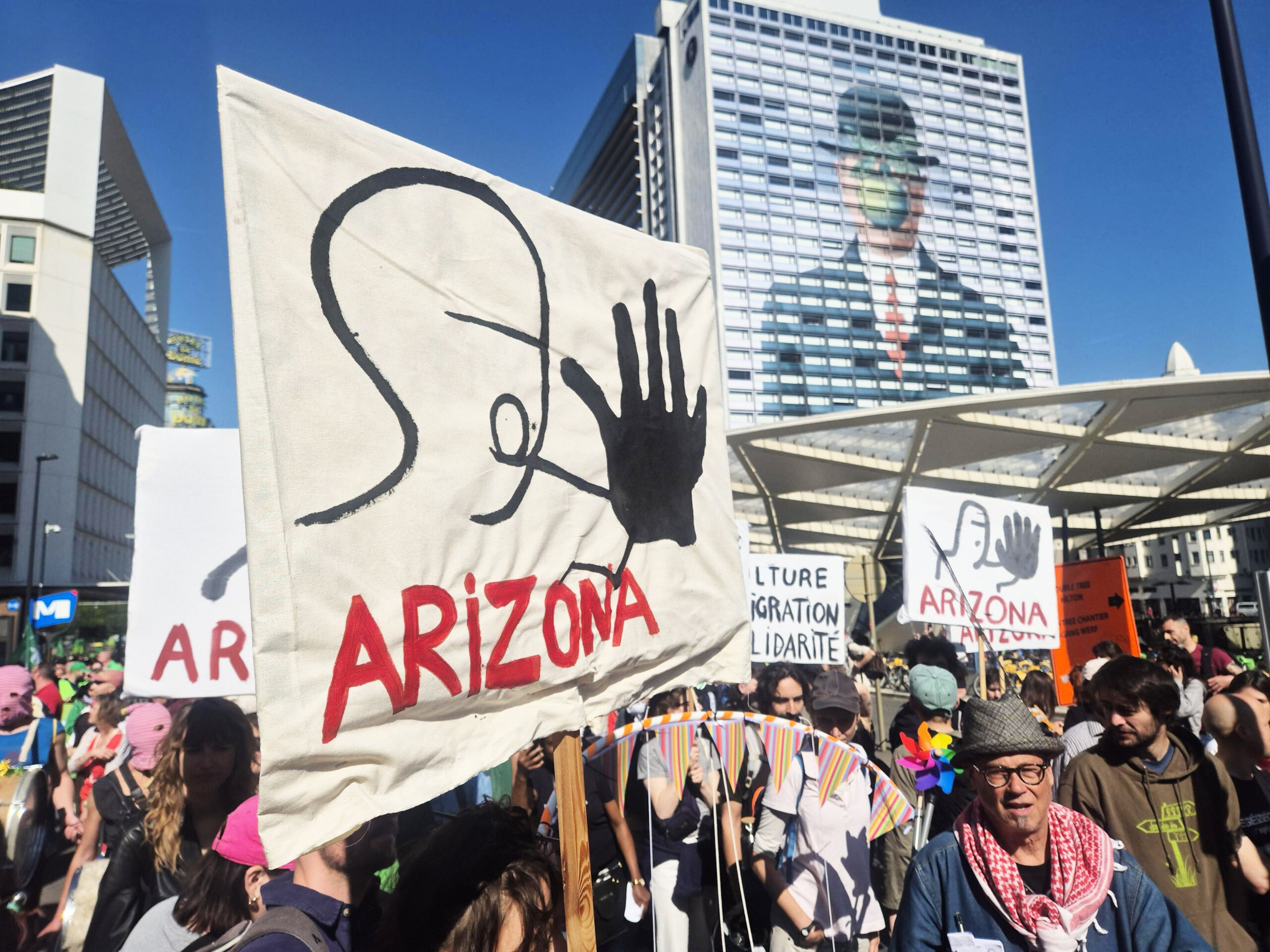
A demonstration as part of a national strike to protest against the austerity and pension reforms of the federal Arizona government. Credit: Belga/Timon Ramboer
Periods of short-term illness – less than 14 days for manual workers and less than one month for white-collar employees – are fully paid at 100% through guaranteed salary. These periods are automatically counted as worked days and are exempt from penalties, Jambon’s office explained.
"For example, even women working part-time who experience some weeks of illness each year during their careers can retire early without penalties," the statement emphasised.
However, those who were repeatedly or long-term ill during their careers and later resumed work cannot retire with the same pension benefits as those achieved in a full or uninterrupted career.
"The goal is to encourage individuals returning to work after a long illness to remain active," the minister’s office stated.
For workers who experienced extended periods of illness but later returned to work, either partially or fully, a "sickness correction" will be partially applied. This recalibration aims to allow early retirement without full penalties.
The proposal still has provoked dissatisfaction among unions, who have expressed anger and disappointment over the changes.
