
Belgian industry relies on more than 8,000 tonnes of imported PFAS chemicals annually, primarily for manufacturing medical devices and textiles, according to data from Belgium’s Federal Public Service for Economy reported by De Standaard.
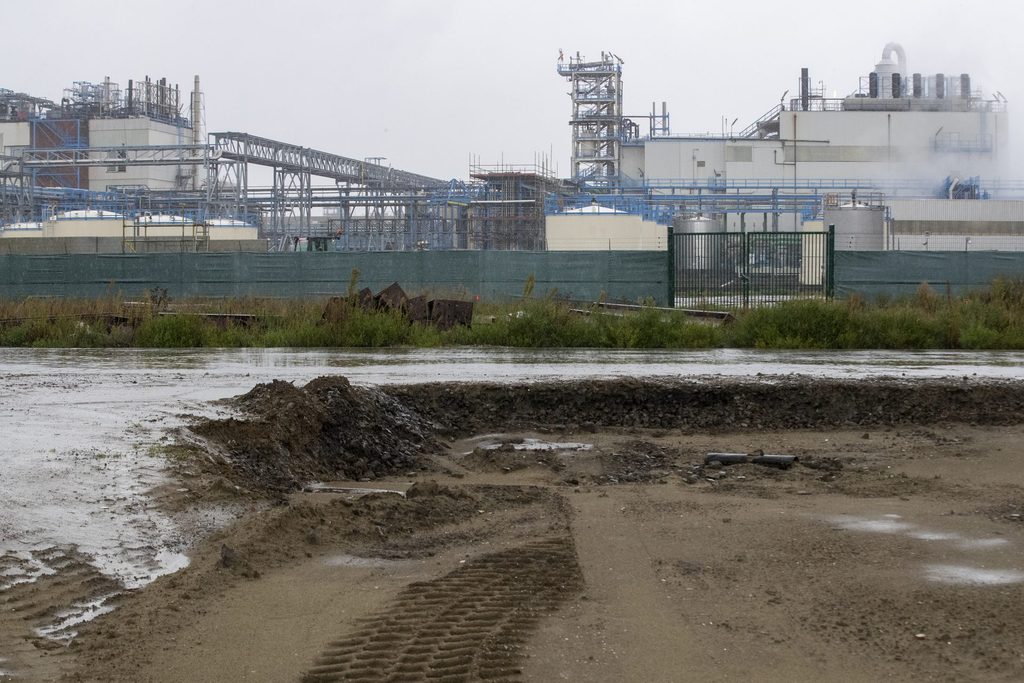
Since US chemical giant 3M ceased PFAS production in Zwijndrecht, following revelations that the area around the plant was heavily polluted, Belgium no longer produces the controversial chemicals domestically. However, PFAS are still imported from other European countries, the United States, and China to be used in a wide range of industrial products. At the end of 2023, Belgium’s total PFAS usage was estimated at 8,300 tonnes.
On Tuesday, a coalition of five Belgian health insurance funds and numerous environmental organisations presented a petition to Jean-Luc Crucke, Minister for Ecological Transition (Les Engagés). The petition, signed by 28,000 people, calls for a European ban on PFAS and, in the meantime, a national plan to phase them out.
PFAS (per- and polyfluoroalkyl substances) are long-lasting chemicals that break down very slowly and accumulate in the environment and living organisms. Often referred to as “forever chemicals,” they have been detected in nearly all Belgian waterways, and over 23,000 sites across Europe are known to be contaminated.
