
The recent spate of STEC bacterial infections reported across several communities in Belgium is no reason for panic, the Walloon Agency for Quality of Life (Aviq) said on Wednesday.
While vigilance is advised—especially for vulnerable individuals—Aviq clarified that the infections largely amount to cases of acute gastroenteritis, a fairly common illness, particularly during summer.
In a statement provided to Belgian press agency Belga, Aviq’s spokesperson dismissed what she called a “media frenzy” around these cases. “These are everyday infections that occur in nursing homes, crèches, schools, and similar settings,” she noted.
“There is no cause for alarm,” she emphasised. “This is not Covid; we are not all going to die tomorrow.”
However, caution is still warranted, she added, especially given that eight deaths in Belgium have recently been attributed to STEC bacterial infections. Groups at highest risk include young children, pregnant women, the elderly, and individuals with weakened immune systems.
Summer conditions contribute to the increased prevalence of such infections, explained Aviq’s spokesperson Lara Kotlar. “Summer brings more gatherings, and it’s barbecue season,” she said. Infections caused by E. coli bacteria, including its STEC variant, are often linked to consuming contaminated food or drinking non-potable water.
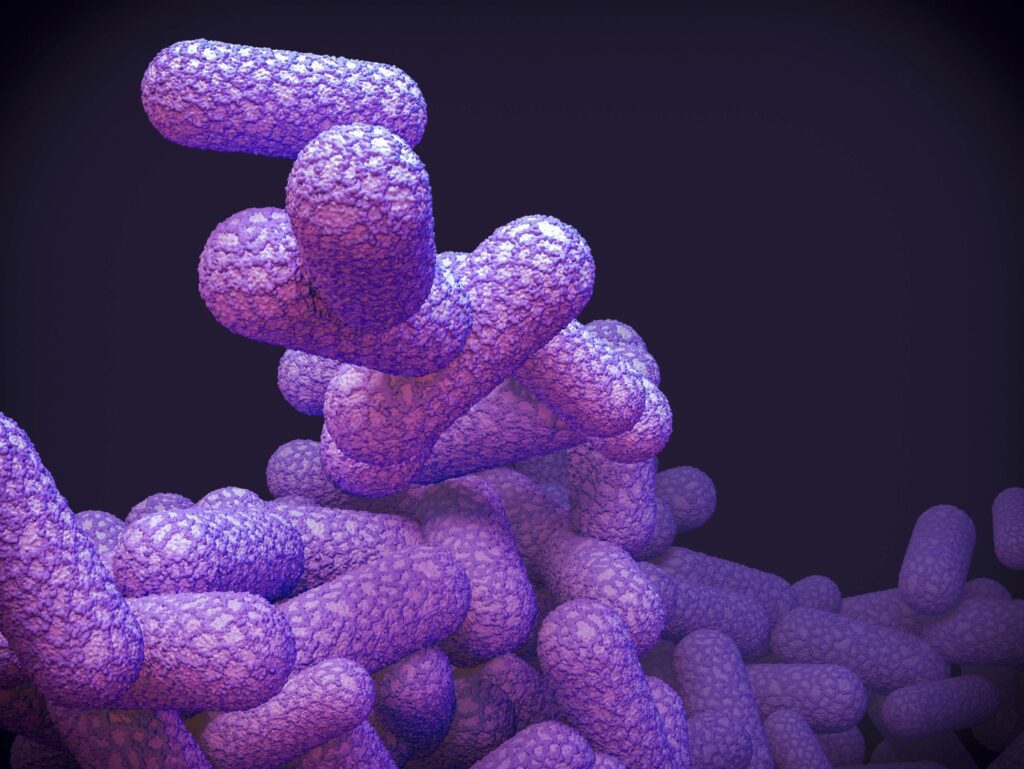
Stec infection is caused by a toxin-producing strain of Escherichia coli. While some cases may show no symptoms, others can range from mild to bloody diarrhoea. Though most individuals recover without complications, severe cases can develop into haemolytic uraemic syndrome (HUS), a potentially life-threatening condition.
As authorities continue to monitor the situation, Aviq’s advice remains clear: stay vigilant, particularly during peak summer months, and practise safe food handling to reduce the risk of infection.
