
Belgium will not issue diplomatic passports to Palestinian officials to enable their participation in the United Nations General Assembly in New York, citing legal restrictions.
under the 2014 Consular Code, according to the Foreign Ministry.
Following the US refusal to issue entry visas, Belgian-Palestinian Association (ABP) suggested Belgium to issue diplomatic passports to the Palestinian delegation.
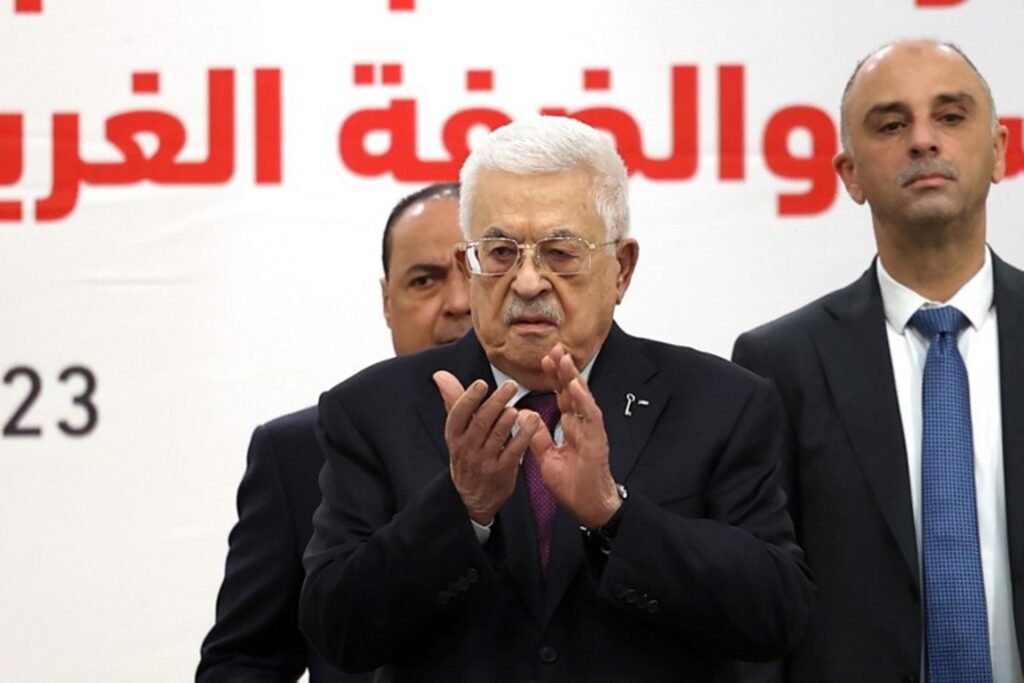
The proposal included issuing diplomatic passports to figures such as Palestinian President Mahmoud Abbas.
Pierre Galand, former senator and ABP president, pointed out that Belgium and other “friendly” countries had resorted to similar measures in 1988 when the US denied visas to Palestinian officials, including Yasser Arafat, Mahmoud Abbas’s predecessor.
However, the Foreign Ministry clarified that according to the 2014 Consular Code the issuance of Belgian diplomatic passports to non-nationals are not permitted.
Such passports are strictly reserved for Belgians representing the country, a Community, or a Region, or holding high-level political or diplomatic roles.
Moreover, Belgian diplomacy underscored that even a diplomatic passport would not override US visa requirements.
“US visa obligations remain in place for holders of diplomatic passports issued by other authorities. American authorities invariably deny visas to representatives of the Palestinian Authority and the PLO for political reasons,” the Foreign Ministry explained.
Belgium’s Foreign Minister, Maxime Prévot, has criticised the US decision as “unjust and counterproductive,” at a time when international efforts, led by France and Saudi Arabia, aim to revive the two-state solution in the Israeli-Palestinian conflict.
These efforts will continue at a conference on the sidelines of the UN General Assembly.
“It is up to France and Saudi Arabia, as the organisers of the summit, to ensure Palestinian participation in some form. We will remain vigilant on this matter,” the Foreign Minister said in the Belgian Parliament.
