
Ten municipalities in Belgium collectively account for over 25% of the country’s workforce, according to Census 2021 data released on Thursday by the national statistics office, Statbel.
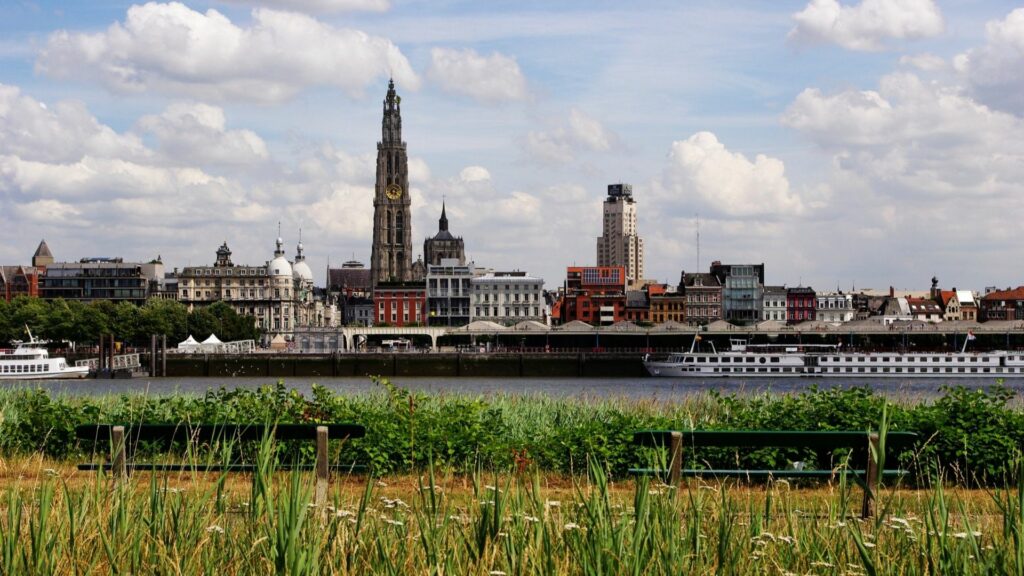
Antwerp leads with nearly 6% of employed workers, followed by the City of Brussels at 5.8% and Ghent at 4%.
Liège secures fourth place with 2.2%, followed by Leuven (1.8%), Charleroi (1.7%), Bruges (1.5%), Namur (1.4%), Anderlecht (1.3%), and Mechelen (1.2%). These ten municipalities constitute Belgium’s main employment hubs out of its 581 municipalities.
The City of Brussels stands out with the highest commuting surplus (+207,842). Each morning, the capital welcomes 207,842 more workers than it sees leave, yet only 11% of those who work there live in the city. All but one Belgian municipality, Herstappe, send at least three workers to the City of Brussels.
In contrast, Antwerp has a stronger local workforce presence. About 46.5% of its workers reside in the city itself, and nearly two-thirds (63.9%) either live in Antwerp or neighbouring municipalities.
Altogether, 100 municipalities in Belgium have a positive commuting balance, attracting more workers than they lose. These include 13 in the Brussels region, 54 in Flanders, and 33 in Wallonia.
As of 1 January 2021, Belgium had 4,951,314 employed people. Of those, 97.2% worked within the country. Among workers whose job location is known, 66% were employed outside their municipality of residence.
