
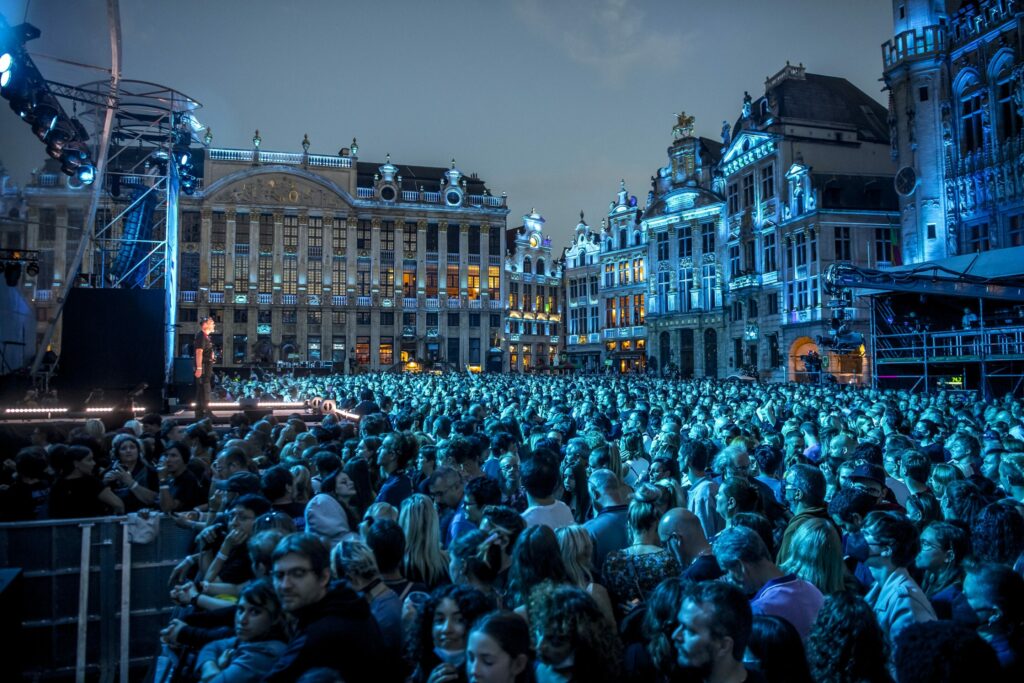
Every year on 27 September, French-speakers in Belgium celebrate French Community Day (Fête de la Fédération Wallonie-Bruxelles).
To mark the occasion, various celebratory events will be organised in Brussels and Wallonia, culminating tonight with a major concert at the Grand Place.
Belgium's French-speaking community
Belgium, with its six governments and seven parliaments, can be confusing for newcomers. One of these governments - and its parliament - is the Francophone Community Government (aka the French Wallonia-Brussels Federation or FWB for short), which represents one of the country’s three communities: the French-speaking community.
“The FWB supports French-speaking Belgians throughout their lives - from birth, to education, to higher education, to culture and sports,” Nico Patelli, spokesperson for Minister-President Elisabeth Degryse, told The Brussels Times.
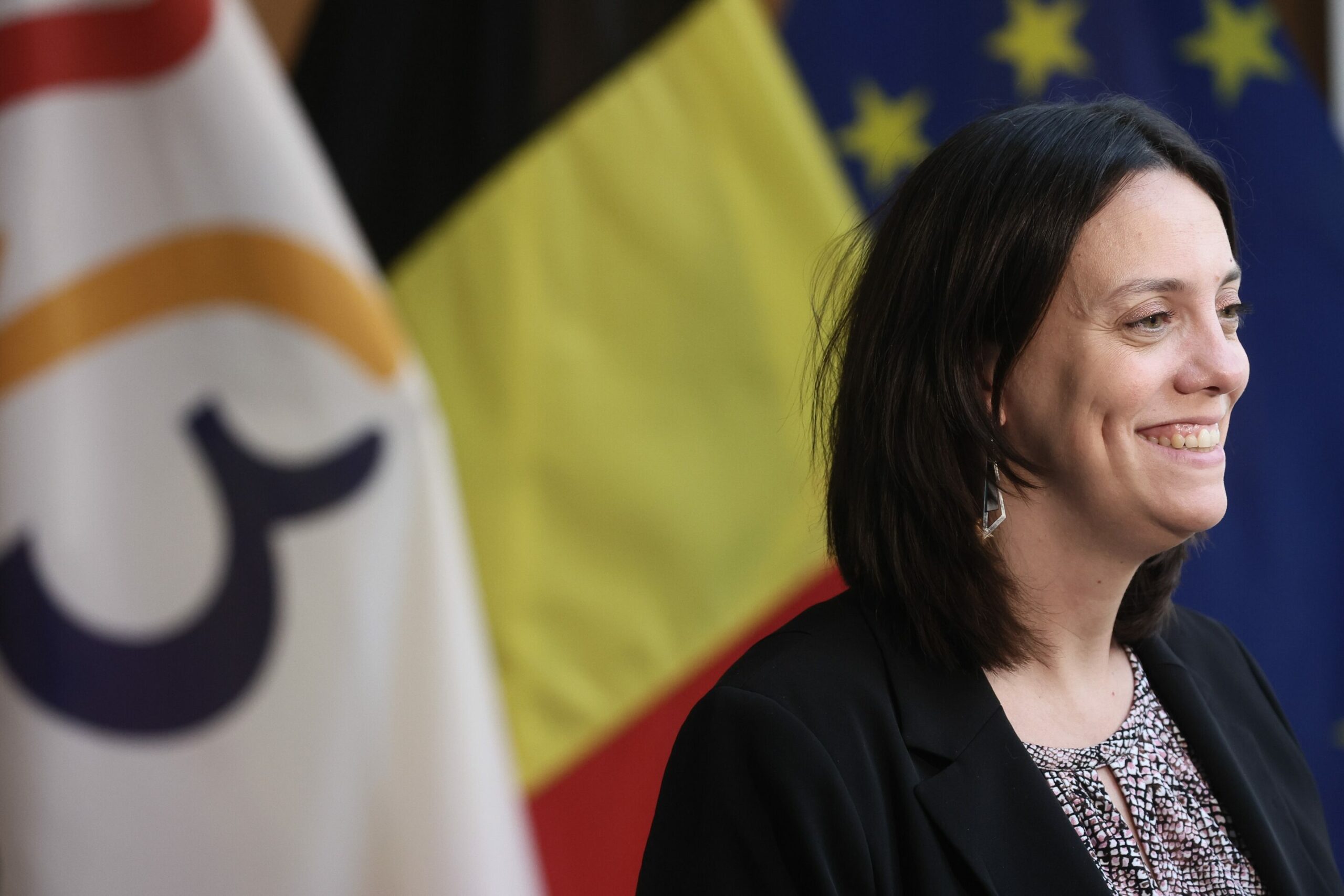
Elisabeth Degryse, Minister-President of FWB. Credit: Belga
The FWB is the political authority representing French-speakers in Belgium. It manages areas that directly affect people’s daily lives, including education, culture, sports, youth services, scientific research, and judicial institutions.
Its jurisdiction covers both the French-speaking region of Wallonia and the Brussels-Capital Region. The federation has its own parliament, government, and public services, such as the Ministry of the FWB, the ONE (responsible for early childhood and parenting support), and the RTBF broadcasting service.
Unlike regions, the FWB does not collect taxes directly. “Belgian communities like the FWB do not levy taxes and have no fiscal power. Their funding comes from a federal allocation calculated in connection with VAT,” notes Patelli. The federation’s annual budget stands at €13.5 billion.
A Belgian rooster
Symbolised by a rooster, the FWB is celebrated every 27 September. While the day is not a public holiday, schools, government offices, and related services close for the occasion.
Official logo of Fédération Wallonie-Bruxelles. Credit: Belga
The FWB government consists of six ministers, including four women. The minister-president, Elisabeth Degryse (Les Engagés), oversees the budget, education, culture, international affairs, and internal Francophone relations. The parliament is elected every five years and includes 75 deputies from Wallonia and 19 from Brussels.
French Community Day
Each year, the celebrations span a week of events across Wallonia and Brussels, culminating this Friday with the ‘Grand Rendez-vous de la Fédération Wallonie-Bruxelles’ free concert on Brussels’ Grand Place.
“Mostly French-speaking Belgian artists perform, but also international acts,” says Patelli. “The lineup includes big names as well as emerging artists, which is very important for us to promote the full cultural richness of French-speaking Belgian talent.”
Beyond the concert, the federation is celebrated “all week long in cultural centres and other venues across the territory, both in Wallonia and in Brussels,” he adds.
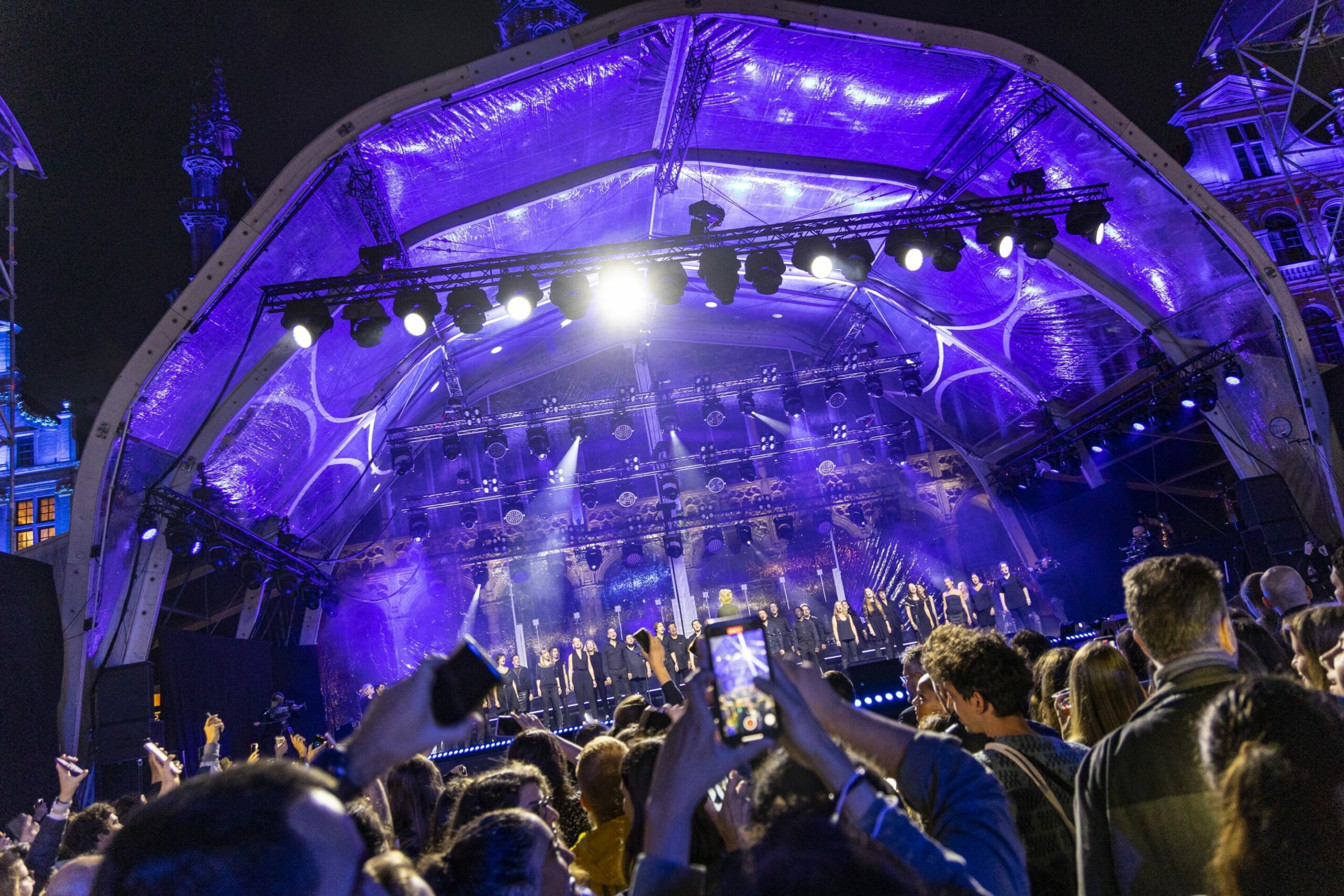
Every year, a concert takes place on the Grand Place of Brussels. Credit: Belga
A brief history
The FWB, combining French-speaking Wallonia and Brussels, is a cornerstone of Belgium’s federal system. Its origins date back to the 1970s, when linguistic tensions led to the creation of cultural communities responsible for education and culture.
“As part of successive state reforms, the unitary state of 1831 evolved in the 1970s, when the cultural communities were created. The current form of the French Community was established in 1981,” recalls Patelli.
The name change to 'Federation Wallonia-Brussels', which emphasises the link between the two regions, was adopted in 2011.
In national history, 27 September also marks the end of the 1830 battles when Dutch forces were driven out of Brussels.
“This date creates a link between the French Community of Belgium and the country’s national history,” Patelli points out.
Belgium’s national holiday was originally celebrated on September 27 before being moved to July 21 at the end of the 19th century.
Budgetary outlook
Today, the FWB, like all of Belgium’s regions and communities, faces financial challenges. “Our ambition is to maintain the deficit at around €1.2 billion by 2029. In 2024, it stood at €1.5 billion,” explains Patelli.
Since the FWB does not collect taxes, “the long-term goal is to be able to finance itself on the markets. If our deficit increases, it will become more difficult to borrow on international markets.”
