
As September turns into October and the sun is making way for cloudy skies, Belgium will again be implementing a series of new measures and decisions across the country.
The most important changes and how they will impact people can be found here.
Tihange 1 closes down
After 50 years, the Tihange 1 nuclear reactor, on the banks of the Meuse River near the Walloon village of Huy (Liège province), will cease producing electricity.
Late in the evening of 30 September, the plug was pulled – making Tihange 1 the fourth Belgian nuclear reactor to be retired, after Doel 3, Tihange 2, and Doel 1 were permanently shut down.
At the end of November, Doel 2 will also be decommissioned. The two remaining reactors – Doel 4 and Tihange 3 – will be allowed to operate for an additional 10 years, until 2035.
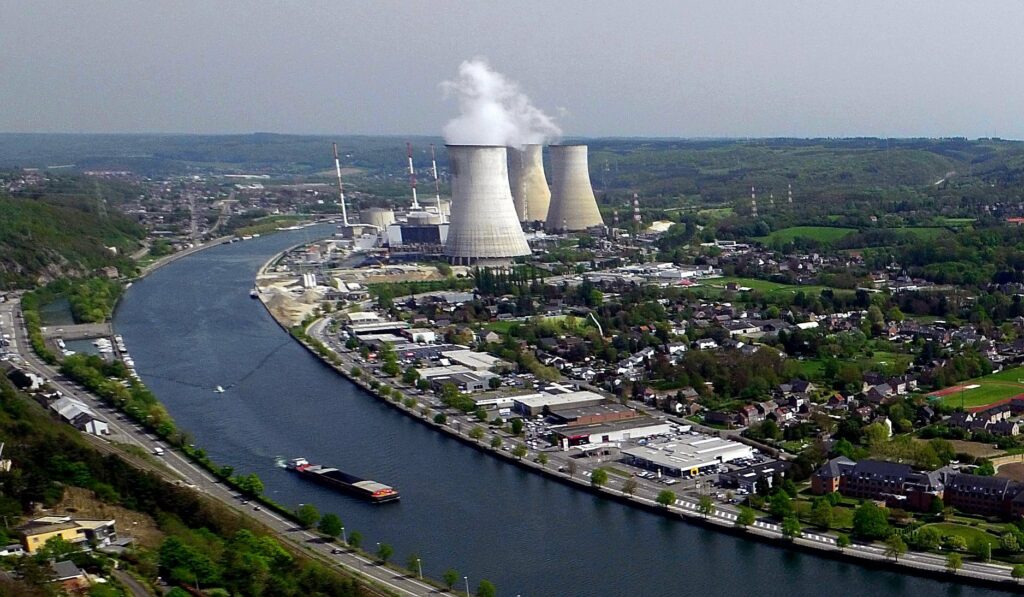
Aerial drone picture shows the nuclear power plant of Tihange, along La Meuse river, Tuesday 23 April 2019, in Tihange. Credit: Belga
Construction of the reactor in Liège began in 1969. Electricity was first generated in 1975. The reactor – half owned by Engie and half by EDF Belgium – was supposed to shut down in 2015, but to ensure security of supply, it was allowed to remain open until 2025. Tihange currently has a capacity of 962 megawatts.
The Federal Government is still hoping to keep Tihange 1 open longer. And whilst discussions are underway, specialists have serious doubts about the feasibility of an extension.
Bruges city centre becomes bicycle zone
From this month, the city centre of Bruges will be almost entirely redesigned as a bicycle zone. In such a zone, all road users are limited to a maximum speed of 30 km/h and must ride behind cyclists.
The bicycle zone in Bruges was introduced three years ago, with over 90 streets; from October 1st, another 300 will be added – expanding the zone to nearly the entire city centre within the R30 motorway. This will give Bruges the highest number of cycle streets in Belgium, good for approximately 87 kilometres.
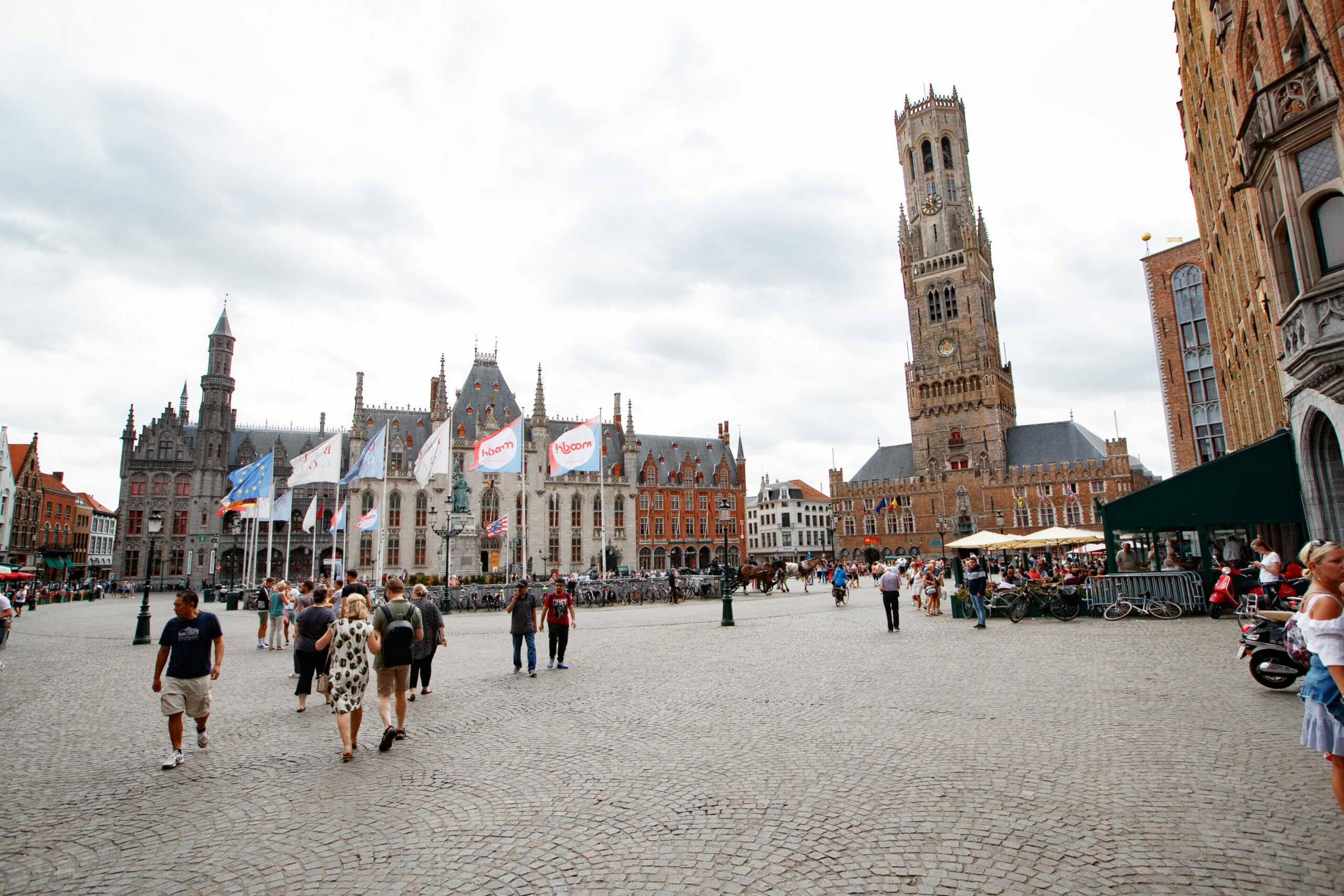
Grote Markt of Bruges. Credit: Belga
"We are making Bruges even more of a cycling city than it already is," said Mayor Dirk De fauw (CD&V) at the announcement in August. "The safety of our cyclists is very important, and that is why these kinds of measures are necessary."
The streets passing through the city gates and the route used by De Lijn buses were not included in the bicycle zone, to ensure continued accessibility to the city centre.
Cheaper energy
Lower rate for home charging of company cars
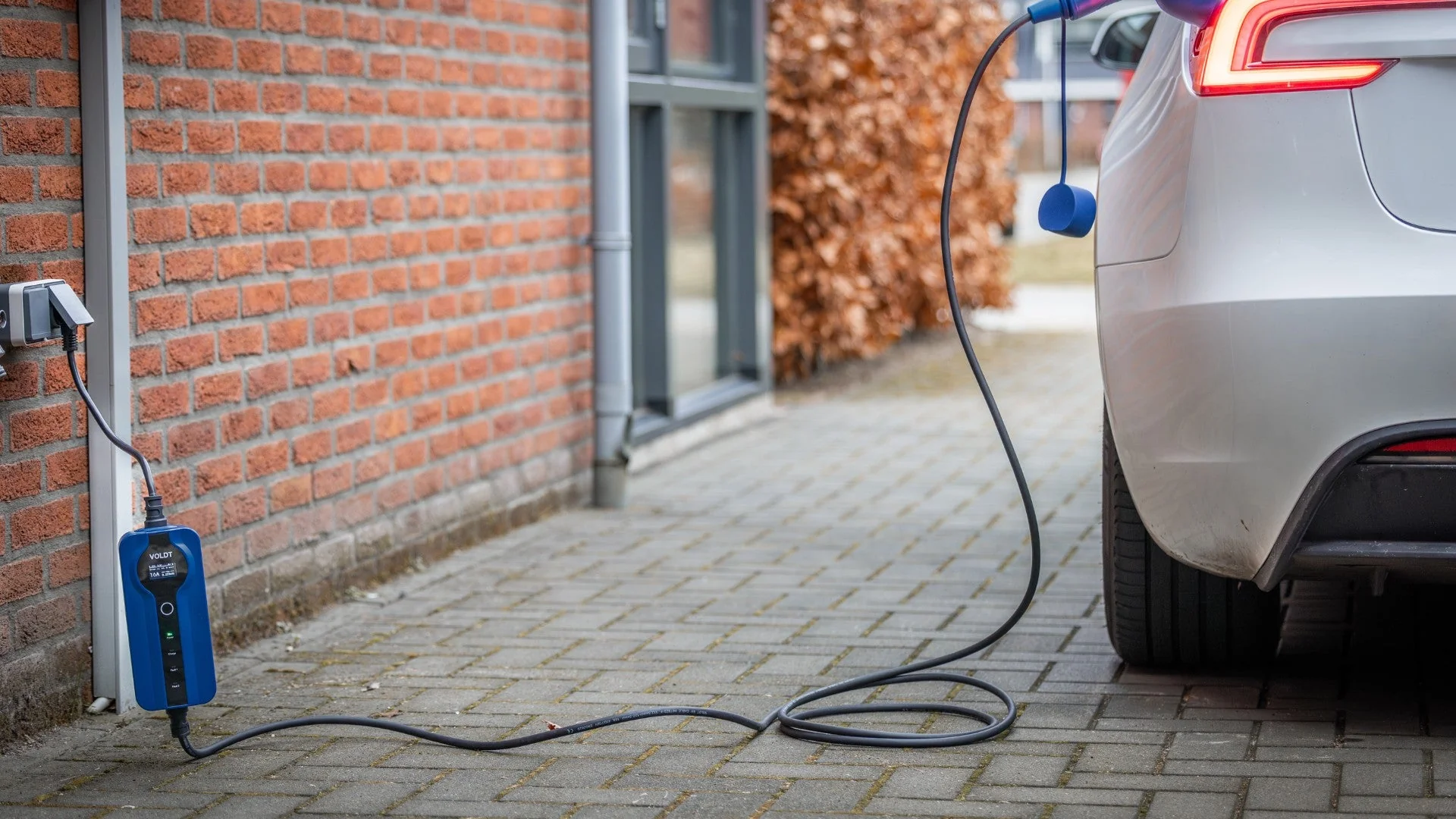
The flat rate for reimbursing the charging of electric company cars will decrease from this month. Since 1 January 2025, anyone who charges their electric company car at home has been able to take advantage of a flat rate.
This arrangement was initially intended to remain in force until the end of this year, but will become permanent, announced Federal Finance Minister Jan Jambon (N-VA) in June. In 2025's fourth quarter, the flat rate will be reduced for the first time this year.
While the tax authorities theoretically require reimbursement for home chargers to be based on actual electricity costs, it is virtually impossible for employers to determine the true cost of their employees' charging sessions in practice.
Credit: Pexels
Therefore, the tax authorities have made it possible to opt for a flat rate arrangement since the beginning of this year. This rate is a maximum.
The flat rate, an average quarterly rate, is calculated based on the average electricity price tables published monthly by the federal energy regulator (CREG). The employee's place of residence also plays a role, as each region has a different rate. From now on, this rate will be 30.70 cents/kWh for Flanders, 33.56 cents for Brussels, and 34.57 cents for Wallonia.
Social tariffs for electricity and gas to decrease
The social tariffs for electricity and gas in effect during the fourth quarter of 2025 will be lower than those for the previous quarter: the rate will decrease by 9% compared to the July-September period.
For the October-December period, it will cost 22.773 cents per kilowatt-hour for the single-rate tariff (including VAT). For the dual-rate tariff, the price per kilowatt-hour will increase to 23.159 cents during the day and to 20.759 cents at night. The exclusive night-time tariff will decrease to 17.496 euro cents per kilowatt-hour.
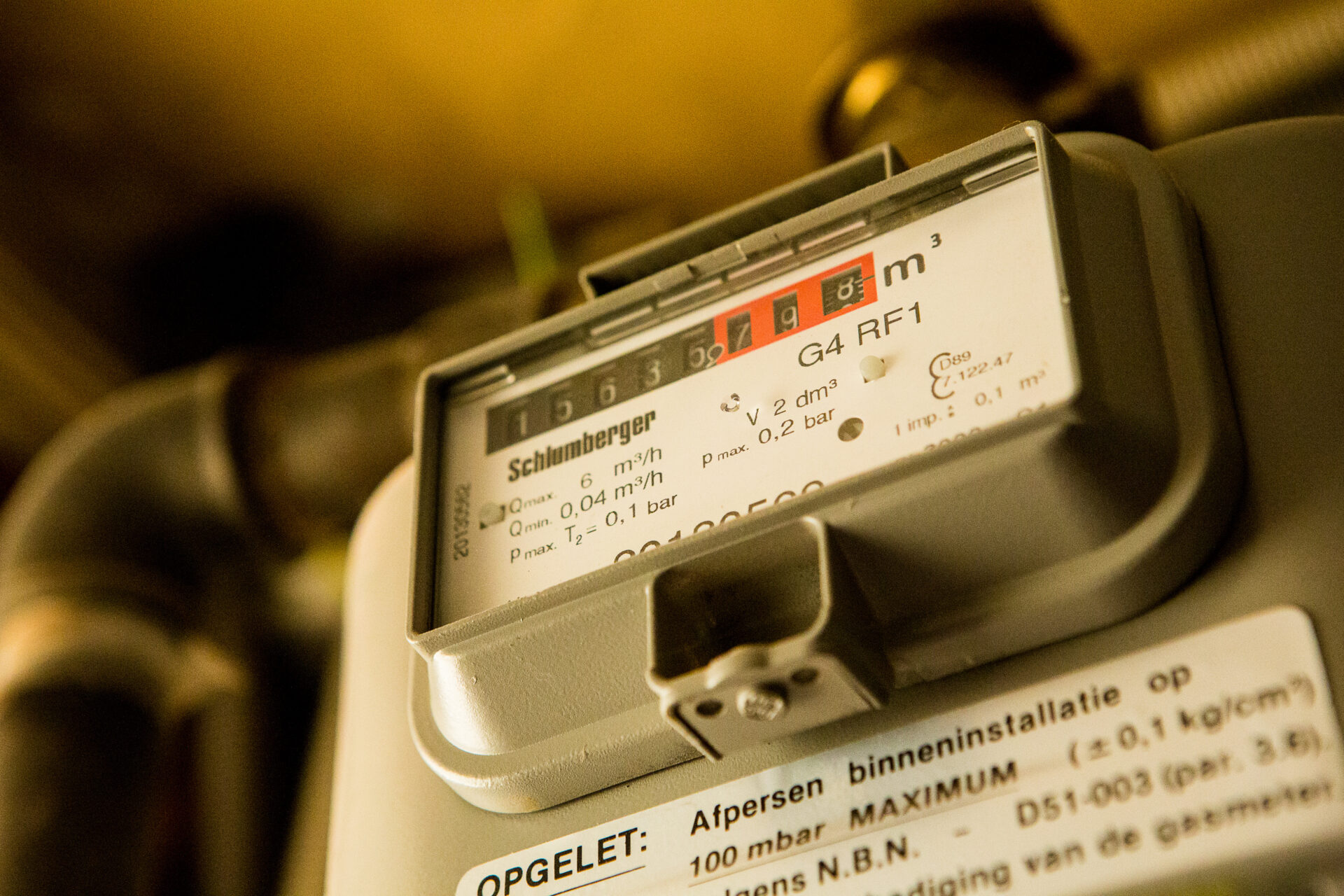
A gas meter reading. Credit: Belga/ Siska Gremmelprez
For natural gas and heat, the social tariff will decrease by 11%, dropping below 5 cents per kilowatt-hour.
The social tariff is a reduced rate for certain categories of individuals or households, and is the same for all energy suppliers. The federal energy regulator CREG sets the amount every quarter.
Price comparison tool for service voucher companies goes live
The Flemish Government is launching a price comparison tool for service voucher companies. This tool should lead to greater transparency for users and competition between companies. Since 1 September, companies have been required to account for the additional costs they charge.
The registration requirement for additional costs should lead to greater transparency in the sector. Starting in September, service voucher companies were required to report the additional costs they charge to the Department of Employment, Economy, Science, Innovation and Social Economy (WEWIS). They must also explain how they spend the extra money.

Credit: Rawpixel
To enable a better comparison, an online price comparison tool will also be launched on 1 October at vlaanderen.be/dienstenchequekosten, in line with the V-test for energy companies.
Flemish Employment Minister Zuhal Demir (N-VA), announced the price comparison tool following an audit of the sector's financial flows. Demir stated that the audit showed that service voucher companies are healthy.
Walloon self-employed people no longer need to prove management skills
Prospective entrepreneurs in Wallonia will no longer have to demonstrate basic management skills to launch an independent business from now on. This reform aims to simplify access to business creation and encourage initiative.
Until now, future self-employed people had to demonstrate knowledge of accounting, law, or business management through a diploma, professional experience, or by passing an exam before the central jury.

Credit: Canva
This requirement has been criticised for several years, as its effectiveness in preventing bankruptcy has never been proven. Additionally, numerous exemptions to this measure existed, such as the possibility of partnering with a third party – making the measure both circumventable and unequal.
The removal of this requirement now aligns Wallonia with reforms already implemented in Flanders, the Brussels-Capital Region, and other European countries.
Professional skills remain mandatory for regulated professions, such as catering, baking, and construction.
Wallonia simplifies planning permit applications
The Walloon Government is simplifying and streamlining the application forms for planning permits and certificates, and urban development permits. Presented as a new step in administrative simplification, it paves the way for the complete digitisation of permit procedures.
Ultimately, digitisation will allow public services to retrieve data directly from authentic sources, without re-soliciting the applicant (whether a business or citizen). Applicants will no longer have to fill out forms, but only provide the information strictly necessary for project review – simplifying the work of all parties, all within a secure legal framework.
The government clarifies that, despite this streamlining, the certificate of registration with the Order of Architects will remain mandatory. It aims to protect project owners and facilitate inspections.
