
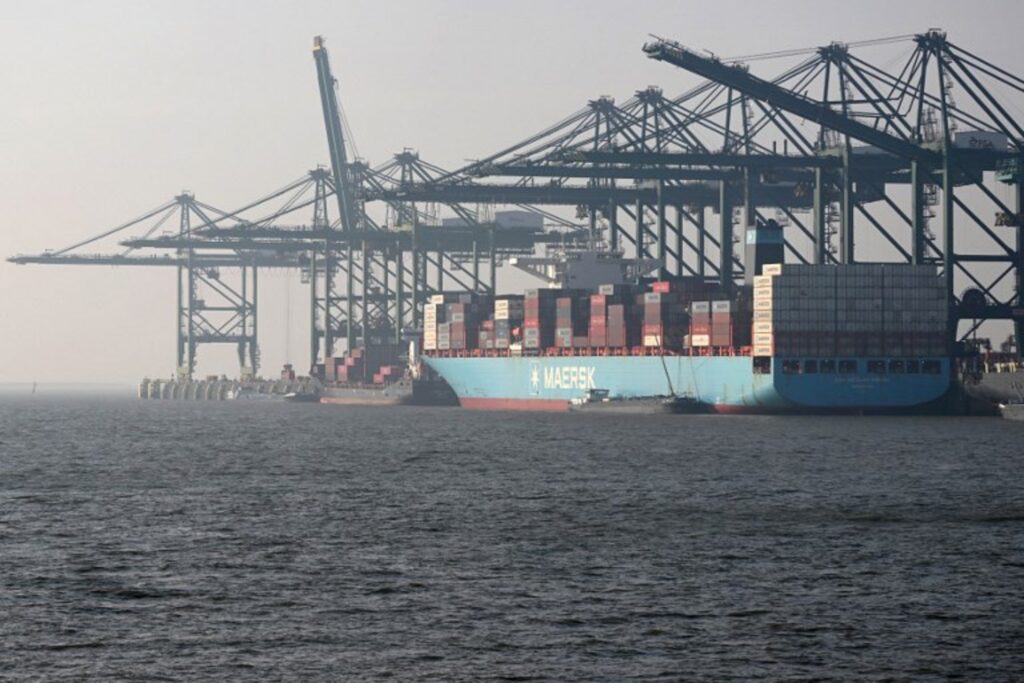
Around 30% of waste shipments inspected by the Department of Environment at the Port of Antwerp-Bruges have been found to violate the law.
The infractions range from incomplete documentation to the transport of prohibited waste materials. This percentage has remained roughly consistent over the years, according to the department.
Inspectors conduct between 850 and 900 checks annually, with most inspections taking place in Antwerp. Waste shipments are selected for inspection based on risk analysis within the customs system.
The Port of Antwerp-Bruges is a major exit point for Belgian and European waste leaving the EU.
Approximately 70% of the inspected shipments originate from abroad, with countries such as Germany, the United Kingdom, the Netherlands, and France being key sources, alongside transit shipments from Canada that change vessels in Antwerp.
"Given the international nature of our ports, cross-border cooperation is essential," said Flemish Environment Minister Jo Brouns.
He highlighted a new partnership launched this summer between local prosecutors and the Federal Judicial Police to tackle environmental crime more effectively within the port of Antwerp.
Of the inspected shipments, 25 to 30% do not comply with regulations. These breaches range from minor issues such as incomplete documentation to outright bans on exporting certain types of waste.
Non-compliant shipments are initially blocked by inspectors. For Belgian companies, sanctions might include warnings or official reports, and the waste can be returned if necessary.
For transit shipments, inspectors coordinate with their counterparts in the country of origin, arranging for the waste to be sent back.
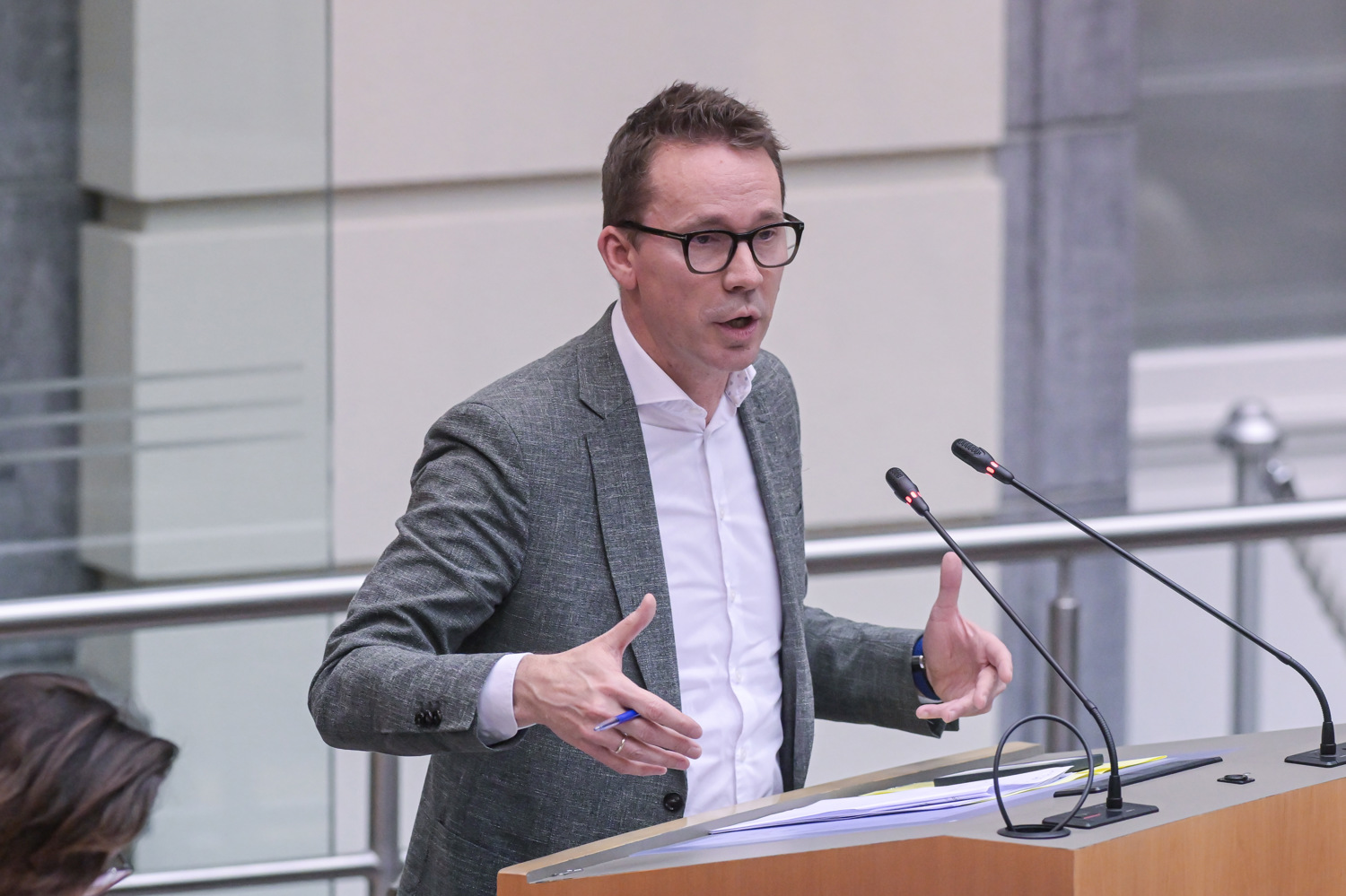
Flemish Minister for Agriculture and Environment Jo Brouns is pictured during a plenary session of the Flemish Parliament in Brussels, Wednesday 12 February 2025. Credit: Belga / Jonas Roosens
Regarding e-waste, individuals of African origin often declare the items as second-hand goods intended for export to Africa.
In cases where these individuals can no longer be located within Belgium, the waste is appropriately processed locally, while any remaining goods are released for legitimate transport.
Each year, around ten official reports are filed for violations in the port. Additional reports may follow after company visits uncover further breaches.
Most of these cases are referred to the Sanctions and Advisory Unit of the Department of Environment, which may impose administrative settlements or fines.
Hundreds and thousands in penalties
So far this year, 20 administrative transactions and fines amounting to €131,975 have been issued. Last year, 25 such penalties totalled €184,625, while in 2023, 17 fines amounting to €57,965 have been recorded.
The department also carries out roadside waste transport inspections with agencies such as the Flemish Traffic Police. Vehicles are stopped by the police, after which inspectors take over.
In 2024, 845 waste transports were inspected, with around 30% involving waste shipments. Most violations involved administrative shortcomings rather than illegal transportation.
The statistics were released ahead of a three-day international conference on waste and transport in Brussels. The IMPEL Waste & TFS Conference, running from 7 to 9 October at the Tour & Taxis site, is hosting inspectors, police, and customs officials from over 30 countries worldwide.
