
Belgium’s federal and regional governments have finalised the National Energy and Climate Plan (NEKP) and agreed on the allocation of funds from the European Social Climate Fund.
The negotiations on Belgium’s climate efforts accelerated earlier this summer after the Flemish government approved a new plan to cut greenhouse gas emissions by 40% by 2030.
With the plan now complete, Belgium can submit it to the European Commission – more than a year later than initially planned. The Commission had rejected an earlier version in June 2024 for being inadequate.
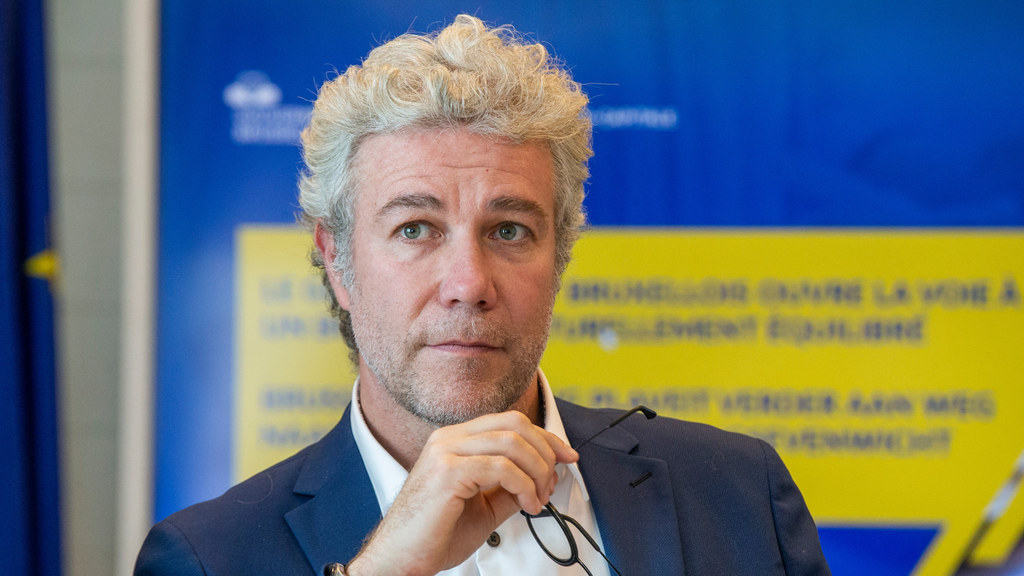
However, Brussels’ caretaker environment minister, Alain Maron, has criticised the revised NEKP as still insufficient. His office pointed out that the plan targets a 42.7% reduction in greenhouse gas emissions by 2030 in key sectors such as construction, transport, and agriculture, compared to 2005 levels.
This remains below the 47% reduction required under EU obligations.
Maron also criticised the lack of ambition by the Flemish Region and inadequate federal government commitment to climate action.
An agreement has also been reached on distributing the €1.659 billion that Belgium will receive from the European Social Climate Fund between 2026 and 2032. Of this amount, 13.13% will go to the federal government, 32.95% to Wallonia, 43.42% to Flanders, and 10.5% to the Brussels-Capital Region.
The Social Climate Fund aims to offset the expected price increases resulting from the expansion of the European carbon market (ETS2) to the transport and building sectors in 2027. It includes support measures targeting vulnerable households and small businesses most affected by these changes.
