
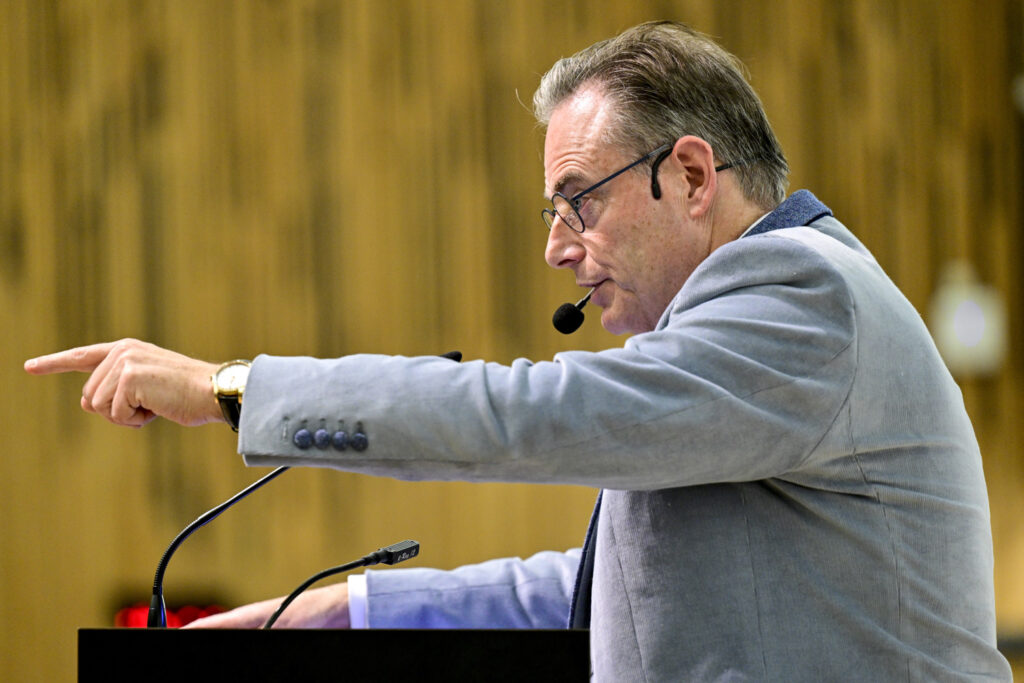
The European welfare state, as it exists today, will collapse within your lifetime unless policies are changed, Belgian Prime Minister Bart De Wever warned students at Ghent University during an inaugural lecture on Tuesday.
Europe has to reassess its priorities to reverse this trend, he stressed, suggesting that the Benelux countries could lead the charge in this endeavour.
This was not the Prime Minister’s first address at Ghent University. Ten years ago, as president of the Nieuw-Vlaamse Alliantie (N-VA) party, he delivered a lecture on immigration. Reflecting on that speech, he claimed that his once-controversial views have since become mainstream, and urged students to pay close attention to his current warnings.
No longer sustainable...
The Prime Minister painted a bleak picture of the European welfare state, which emerged after World War II as a middle path between communism and unregulated capitalism. “That period is coming to an end 80 years later,” he said, adding that the economic foundation underpinning pensions, healthcare, and poverty reduction is no longer sustainable.
“Without changes in policy, the welfare state will collapse, not in my lifetime but in yours,” De Wever stressed.
The Belgian Prime Minister proposed several solutions, including extending working lives, boosting productivity, increasing employment rates, and cutting public spending. However, he admitted that Belgium struggles in all these areas.
Reforms needed, including limiting unemplyment benefits
He also highlighted the need for reforms, such as limiting the duration of unemployment benefits and reintegrating persons on long-term sick leave into the labour market, initiatives already pursued by the federal government.
Prime Minister De Wever said there has been progress under the current “Arizona coalition” and anticipated further reforms under future governments. Still, he believes the real challenge lies at the European level. He called on the EU to unlock its full economic potential, notably by completing the single market.
He also criticised what he described as Europe’s “trade war against itself,” with internal tariffs that sometimes surpass those levied by the United States. He said the Benelux nations should lead Europe once again, as they have done in the past.
Between hope and frustration ...
Mr. De Wever emphasised that the EU should focus on this mission rather than pursuing what he described as the “most climate-friendly policies imaginable.” He argued that prioritising growth and economic stability would yield broader benefits, warning, “If we fail to set the right priorities, we are like birds for the cat.”
Overall, the Prime Minister delivered a sober message to the students, admitting that he vacillates between “hope and frustration.” Yet he remained cautiously optimistic, suggesting that another golden age, reminiscent of Ghent’s prosperity in the 16th century, is possible.
In a lighter vein, Mr De Wever reflected on his political career. When asked by a student about his biggest political mistake, he cited his party’s inexperience during its entry into the “Swedish coalition” (2014-2018). He admitted that the negotiation results were insufficient and that they had placed too much trust in their coalition partners’ commitment to the agreement. “That miscalculation cost us dearly and also hurt the country,” he said.
