
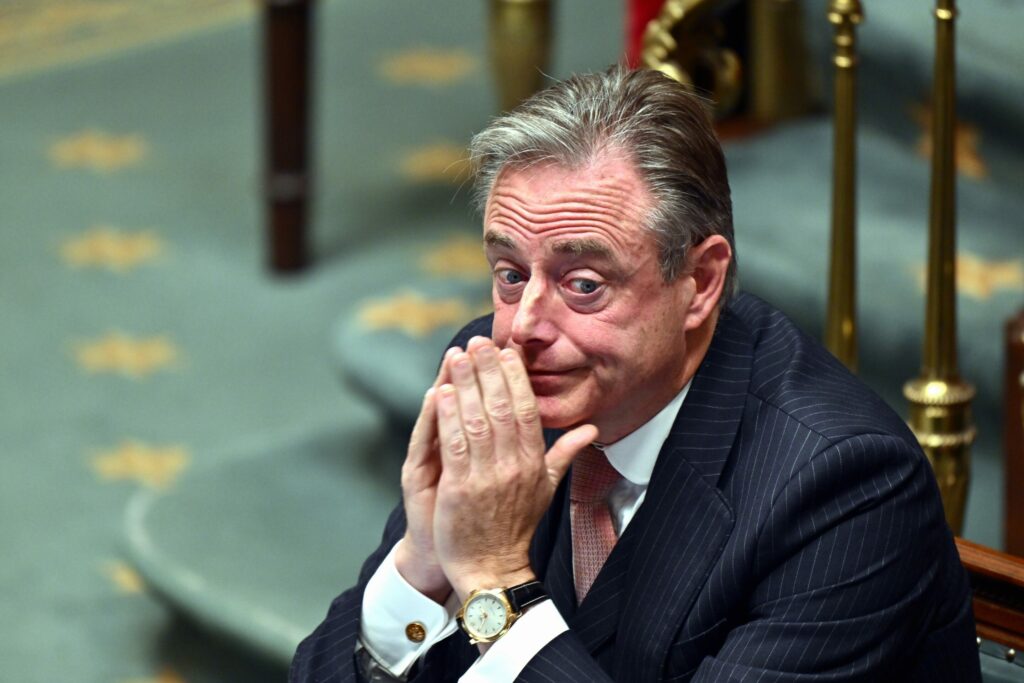
Belgian Prime Minister Bart De Wever is under increasing pressure from the EU to allow frozen Russian assets held in Belgium to be used for a "reparations loan" to Ukraine.
Kyiv is in dire need of liquidity to continue resisting Russia, and the frozen funds would be enough to keep the country’s armed forces going for at least another two years of fighting.
Belgium is seeking guarantees over the risks associated with using the frozen assets, but according to the Financial Times (FT), patience with Belgium's approach is running out in diplomatic circles.
How much Russian money is held in Belgium and what is the EU’s plan?
Around €190 billion in Russian assets is currently being held at the Brussels-based financial institution Euroclear. The European Commission wants to offer Ukraine an interest-free €140 billion loan, secured against these frozen Russian assets.
The EU’s position has shifted in recent weeks following US President Donald Trump’s calls for "seizing or using" Russia’s assets to fund Ukraine’s defence.
According to The Times, the Commission has circulated a plan to transfer the Belgian-based frozen assets to a "special purpose vehicle" owned by "whichever countries in the EU or the G7 are willing to take part".
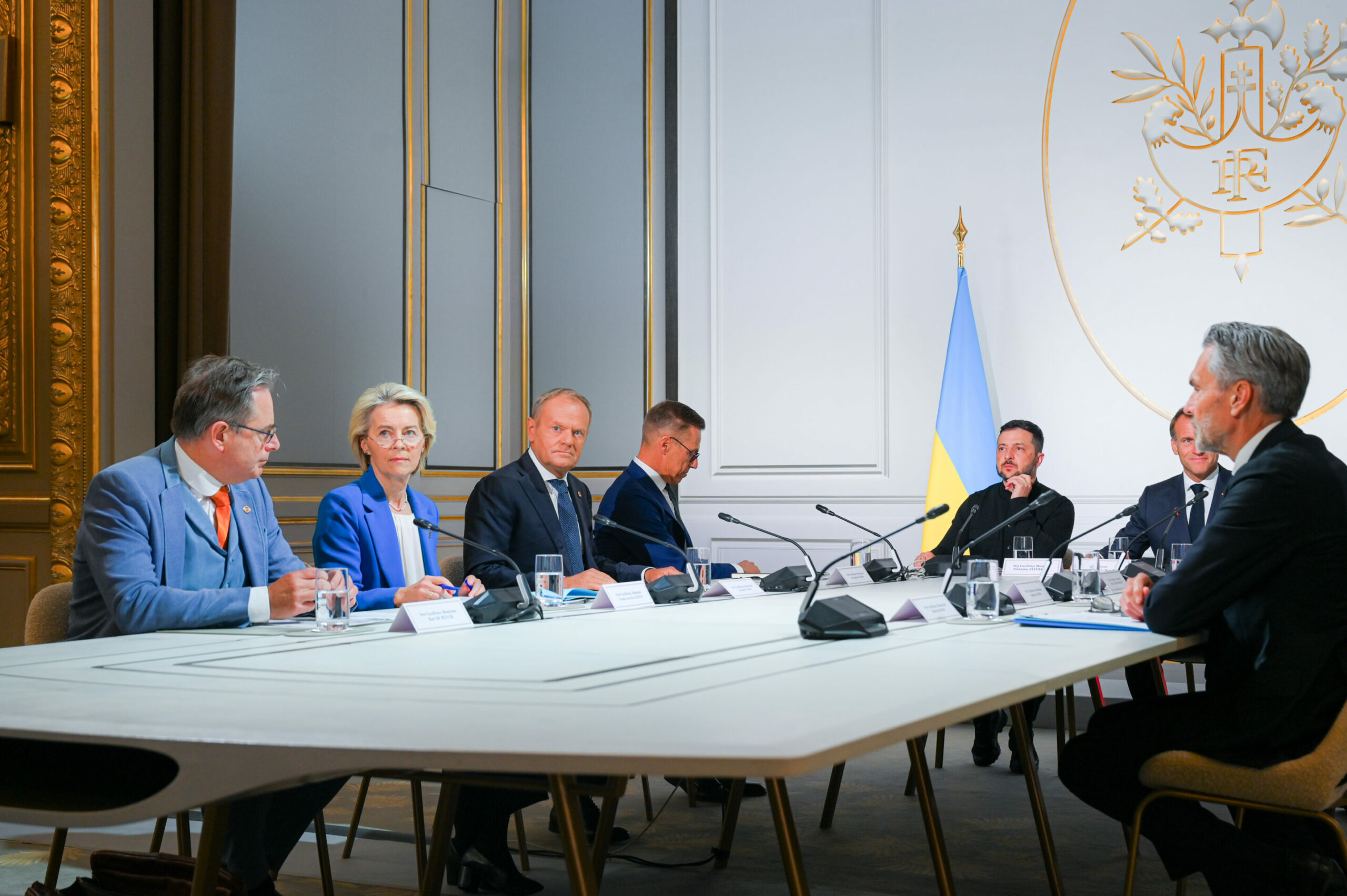
Bart De Wever, Ursula von der Leyen, Donald Tusk, Alexander Stubb, Volodymyr Zelenskyy, Emmanuel Macron and Dick Schoof during a meeting of the 'coalition of the willing' on 4 September 2025. Credit: EU
This money would then be used to back an interest-free loan to Ukraine, which would be repaid if Russia agrees to pay Ukraine war reparations.
Germany, along with Belgium, had previously resisted plans to unfreeze Russian assets, but German Chancellor Friedrich Merz recently threw his weight behind the idea of offering a reparations loan to Ukraine.
In an opinion piece in the FT last month, Merz advocated offering Ukraine an interest-free loan of €140 billion which would only be repaid once Russia compensates Ukraine for the damage it caused during the war.
This leaves only Belgium and Hungary as firm opponents of such a plan.
What are Belgium’s concerns?
Belgium is concerned it would face legal and financial repercussions should the EU tap into the funds.
In particular, there are fears that using the funds could constitute asset confiscation – a concern refuted by the Commission, which says the risks for Belgium are limited.
De Wever discussed his unease about the Commission's plan at the end of Wednesday's informal meeting of EU leaders in Copenhagen.
The prime minister asked his colleagues in the European Council for a guarantee that they will all take responsibility if the plan goes go wrong.
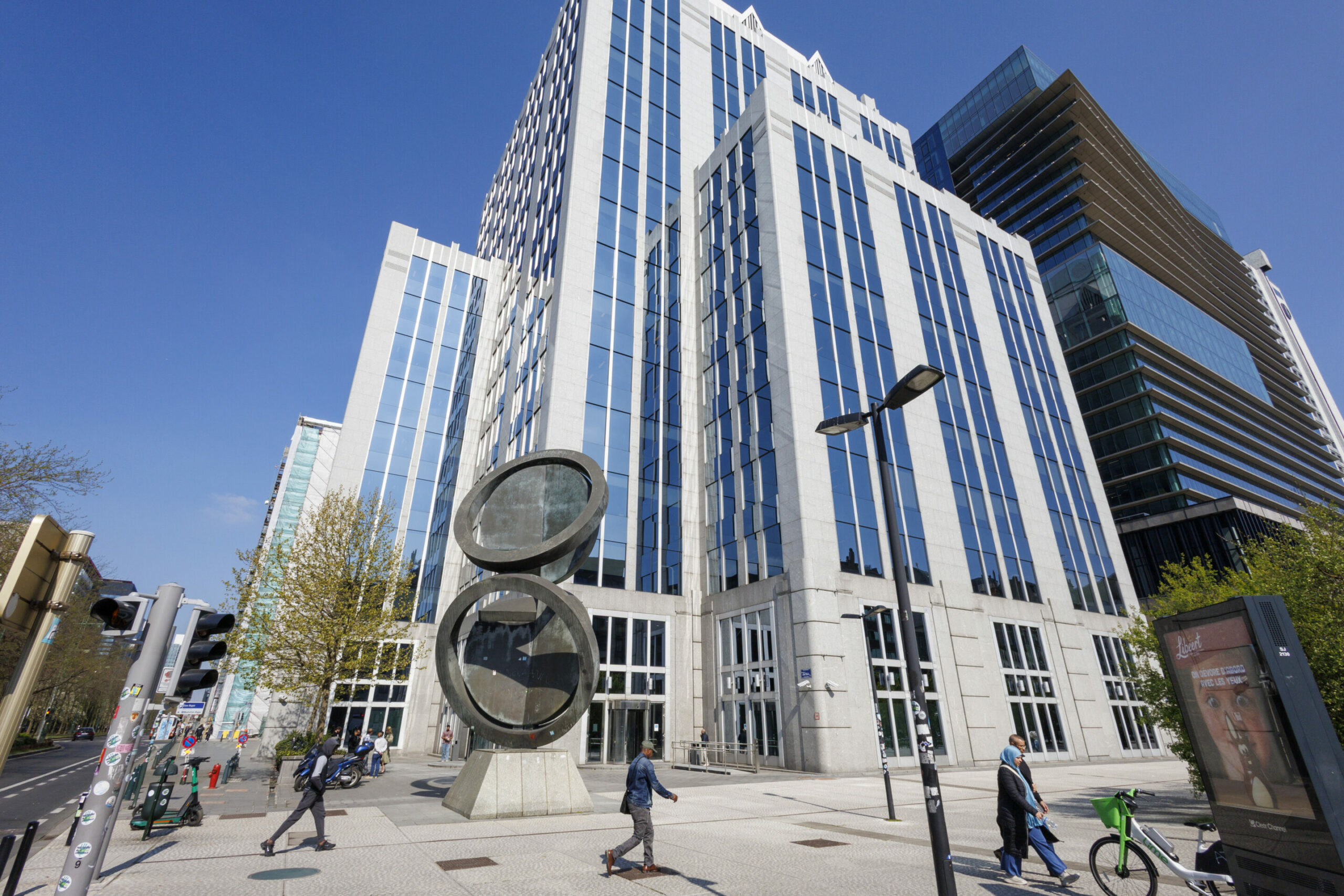
An outside view of the building of the headquarters of the Euroclear Group financial institute in Brussels, Wednesday 09 April 2025. Credit: Belga / Nicolas Maeterlinck
De Wever argued that this responsibility extends beyond the frozen assets: "If we venture into unknown territory, we could be held liable for interest, we could be held liable for damages, and that would drag us into litigation for many years."
Hungarian Prime Minister Viktor Orbán has already said his country would not be comfortable sharing the risks.
De Wever is also concerned about the risks of what he sees as a "quasi-confiscation" of Russian sovereign funds. He points out that other countries, including EU Member States, also hold Russian funds.
An estimated €160 billion in Russian assets are frozen in these countries, he told an international press conference last Thursday in Copenhagen.
"How much Russian money is there?" he said. "What has happened to the profits so far? Are you also willing, ready and able to put them on the table?"
De Wever said Belgium was ready to move forward but was seeking answers to certain questions. Among these is the legal uncertainty of the arrangement. There are concerns the plan would be struck down by the courts.
Furthermore, De Wever has argued that assuming that Russia's debt will be cancelled because it will have to pay reparations to Ukraine after the war is a "risky bet".
Growing criticism of Belgium – is it justified?
Belgium collects around €1.3 billion euros a year in corporate tax on the profits arising from assets. However, the Federal Government claims this money goes to Ukraine.
De Wever said he was outraged by allegations that Belgium was opposed to using Russian assets in order to keep these tax revenues.
"Belgium is the only country [holding Russian assets] that is giving money to Ukraine," he said, before offering to give the money to anyone who would agree to take it. "It would be the best day of my career if I saw that money leave," he said.
According to the FT, however, “patience is running out” with Belgian officials inside the EU.
“[Belgium] has spent three years saying Euroclear is Belgian and so are the benefits,” one senior EU diplomat involved in talks on the matter told to the FT. “Now, when it wants to share the risks, it claims Euroclear is European.”
Other EU diplomats have pointed towards Belgium's relative low military support for Ukraine compared to other countries such as Germany or Denmark.
