
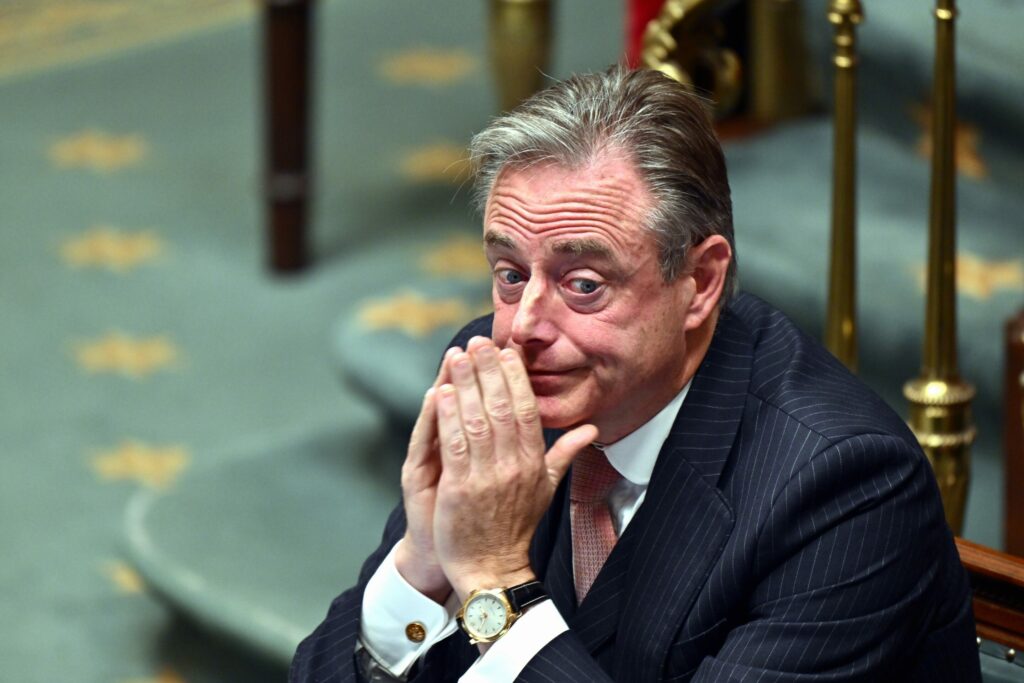
Belgian Prime Minister Bart De Wever and his senior ministers continued budget negotiations this weekend in a bid to reach an agreement.
For now, discussions are taking place in working groups and bilateral talks, rather than with all deputy prime ministers gathered at the table.
The budgetary challenge is immense. In addition to the fiscal consolidation outlined in the coalition agreement, the government must find several more billions to bring the budget closer to balance by the end of the legislative term.
This need is partly driven by additional defence spending and economic uncertainties linked to US President Donald Trump’s trade policies.
Earlier this week, the Prime Minister stated that at least €10 billion in savings would need to be found. Some coalition parties are suggesting even higher amounts.
Proposals have surfaced to raise these funds, including adjusting the VAT system, introducing a millionaire’s tax, targeting management companies, reviewing flexi-jobs, addressing long-term illnesses, and revising healthcare growth standards. However, each measure faces resistance from one political party or another.
Meanwhile, the clock is ticking. The second Tuesday of October, when the Prime Minister traditionally delivers the state of the union address in parliament, is fast approaching. This leaves little time to finalise a comprehensive agreement.
