
The European Union has extended its Temporary Protection for Ukrainians until March 2027. With more time on the clock, the mood among Ukrainian refugees in Belgium has shifted from panic to a quieter form of uncertainty.
As of early 2025, Belgium has granted temporary protection to 93,343 Ukrainians. In March 2022, shortly after Russia’s full-scale invasion, over 26,000 Ukrainians entered Belgium within one month. Many have found work, enrolled their children in school, or started language classes. Yet the same questions remain: what happens after 2027, and what kind of future is possible back in Ukraine?
'I have nowhere to go back to'
Svitlana, 71, fled Kharkiv after her home was destroyed. “I have nowhere to go back to - my home is gone, and my husband is too,” she says. Like many, she is safe but unsettled, grateful for shelter and support, yet unsure about the path ahead.
For some, Belgium has brought routine and a degree of stability. For others, it still feels like their life is on pause. Vladyslav, 43, from Odesa, says he is thankful for the reception but remains in limbo. “Right now, there is no clear plan for staying after 2027,” he says. “These are recommendations, not guarantees. We may only find out more in a year.”
His wife, Iryna, 40, says their family is slowly adapting. “We’ve adjusted a bit. Things are moving now - work, school, plans. But everything depends on what happens with our papers after 2027.”
Many describe the same feeling of being in transition. Anna, 37, is still studying and learning how things work. “People haven’t had enough time to learn or find proper jobs here,” she says. “I plan to stay for now - it’s still dangerous to go back.”
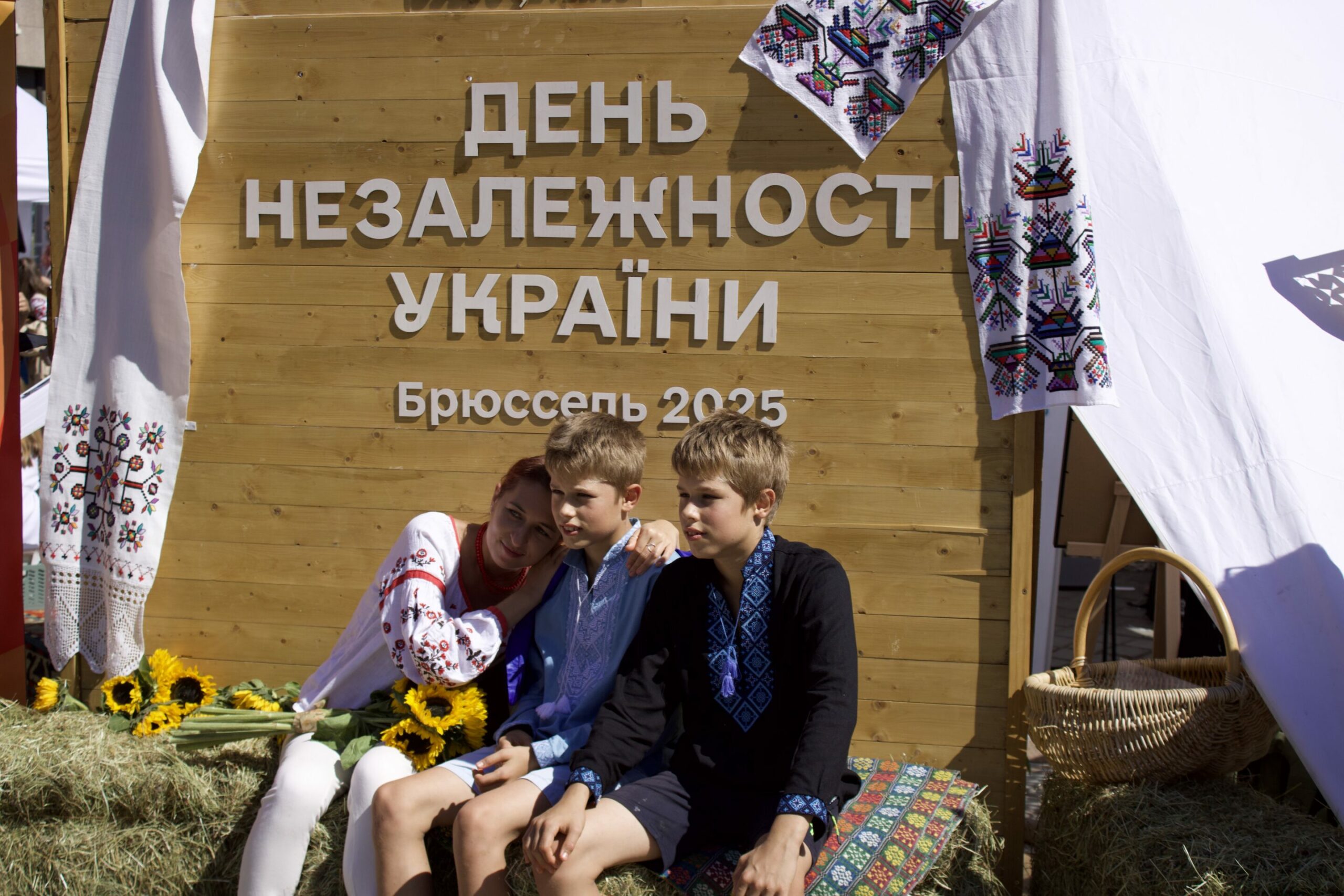
Credit: Zoriana Khetchykova/ The Brussels Times
'I don’t see a future for myself here yet - I live one day at a time'
Maryna, 58, has been searching for work while managing health problems. “I’ve been looking for a long time. I can’t do physical work,” she says. “I don’t know if I’ll stay or return later.”
The war has also scattered people from areas occupied by Russian forces, adding a further layer of loss and trauma. Olena, 52, is from Nova Kakhovka, a city occupied in the first days of the invasion. Leaving was chaotic. “We tried to escape several times. Only the third time we made it out,” she says.
Her apartment back home is badly damaged. “No windows, just broken walls. Probably only pigeons live there now.” In Belgium, she studies the language and attends orientation courses, but she struggles to see a path. “Honestly, I don’t see a future for myself here yet. I live one day at a time. I know I must keep going, but I don’t have plans anymore.”
When asked about recent political and military developments, Vladyslav is blunt. “Many things happening now were predictable. Ending the war matters most - no piece of land is worth a human life,” he says. He’s concerned about what follows, even if the fighting ends. “There will be deep social wounds. It may take a generation to recover.”
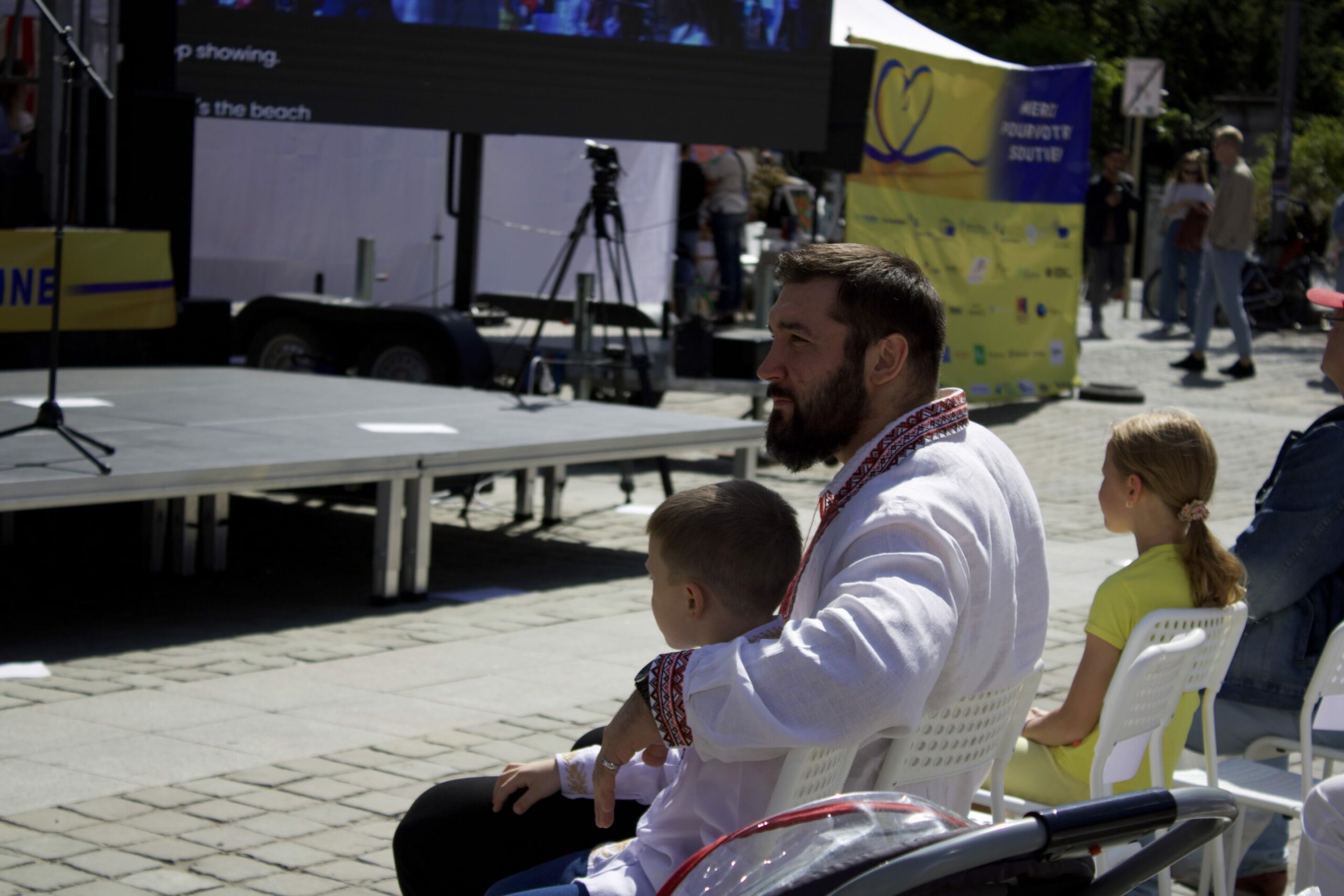
Credit: Zoriana Khetchykova/ The Brussels Times
Planning for the future
Mariia Mykhailova, a trainee at the European Parliament’s DG PART, Directorate for External Liaison Offices, Ukraine Antenna, says Ukrainian decision-makers hope many will return home, "but understand that the longer the war continues, the fewer will do so”.
She adds that Ukraine is working on ways to keep ties with citizens abroad while preparing for eventual recovery. “In 2025, the government launched ‘Unity Hubs’ across Europe - centres that support those planning to return and those integrating abroad. The goal is to maintain connections with Ukrainians who decide to remain in the EU, through information, community events, and cultural programmes.”
In her view, there is one essential condition for success: “There is one certain prerequisite for the return of people – peace and stability," she says. "Repatriation efforts may not work if people’s lives are in danger.”
Significant dangers remain for anyone residing in Ukraine. Since February 2022, when Russia launched its full-scale invasion of Ukraine, the United Nations has documented at least 14,383 civilians killed, including 738 children. This does not include the many fatalities in Russian-controlled areas.
'I can’t say I would return even if the occupation ended'
Here in Belgium, parents talk about safety first, jobs second, and only then about long-term status. Iryna says she would welcome a clear pathway that does not depend entirely on an employer’s initiative. “We’re doing our best - working, studying, taking care of our child. It would help to know what rules apply after 2027,” she says.
Olena is torn even by the idea of going back one day. “It’s my home. I lived there most of my life,” she says. “But it is a small city, much is destroyed, and work will be hard to find. I can’t say I would return even if the occupation ended.” For now, she focuses on small steps like classes, forms, and a weekly routine.
Not everyone will make the same choice. Some say they will return if there is peace, security, and work. Others believe they will stay if Belgium offers a stable status. Many simply do not know. What they share is a wish for clarity and a calm, normal life.
The 2027 extension gives space to think and breathe. Instead of a countdown to an early exit, the conversation is shifting to what integration looks like in practice: fair access to work, language learning that leads to real jobs, and transparent routes to stay for those who meet the rules.
At the same time, Ukrainians in Belgium watch the war and weigh their hopes. As Vladyslav puts it, “We need time, and we need clarity. Ending the war comes first. After that, people can decide where they belong.”
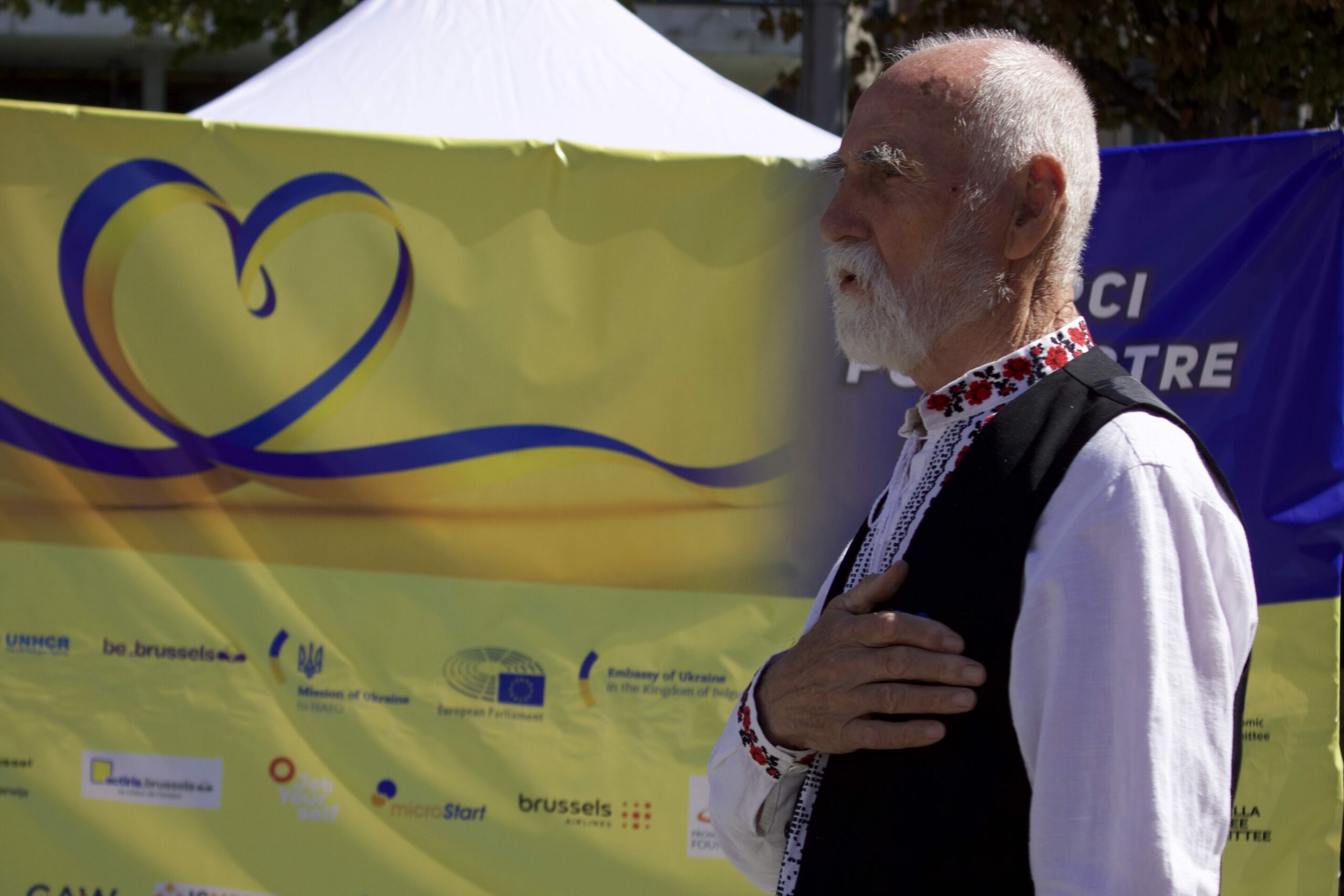
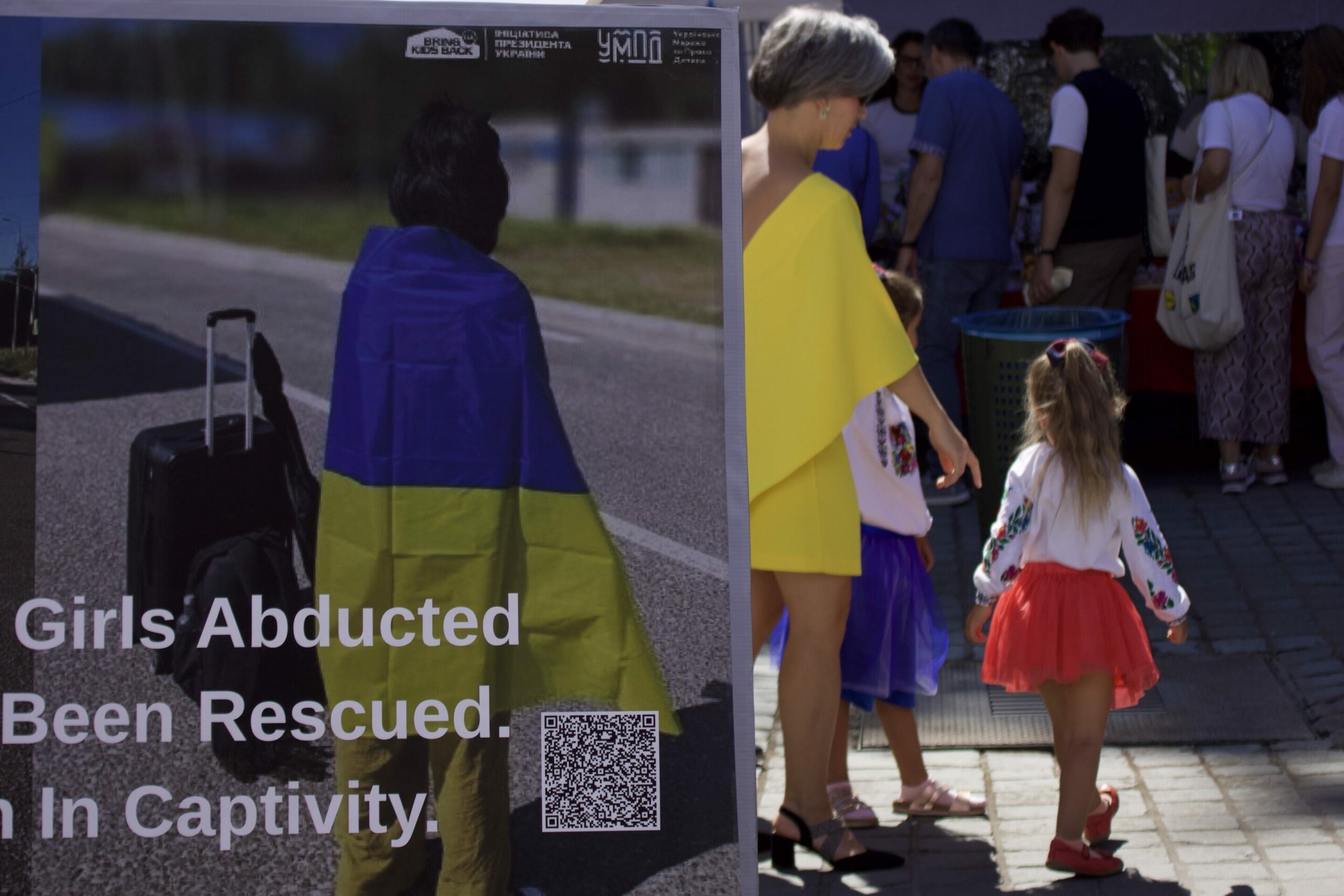
Credit: Zoriana Khetchykova/ The Brussels Times
