
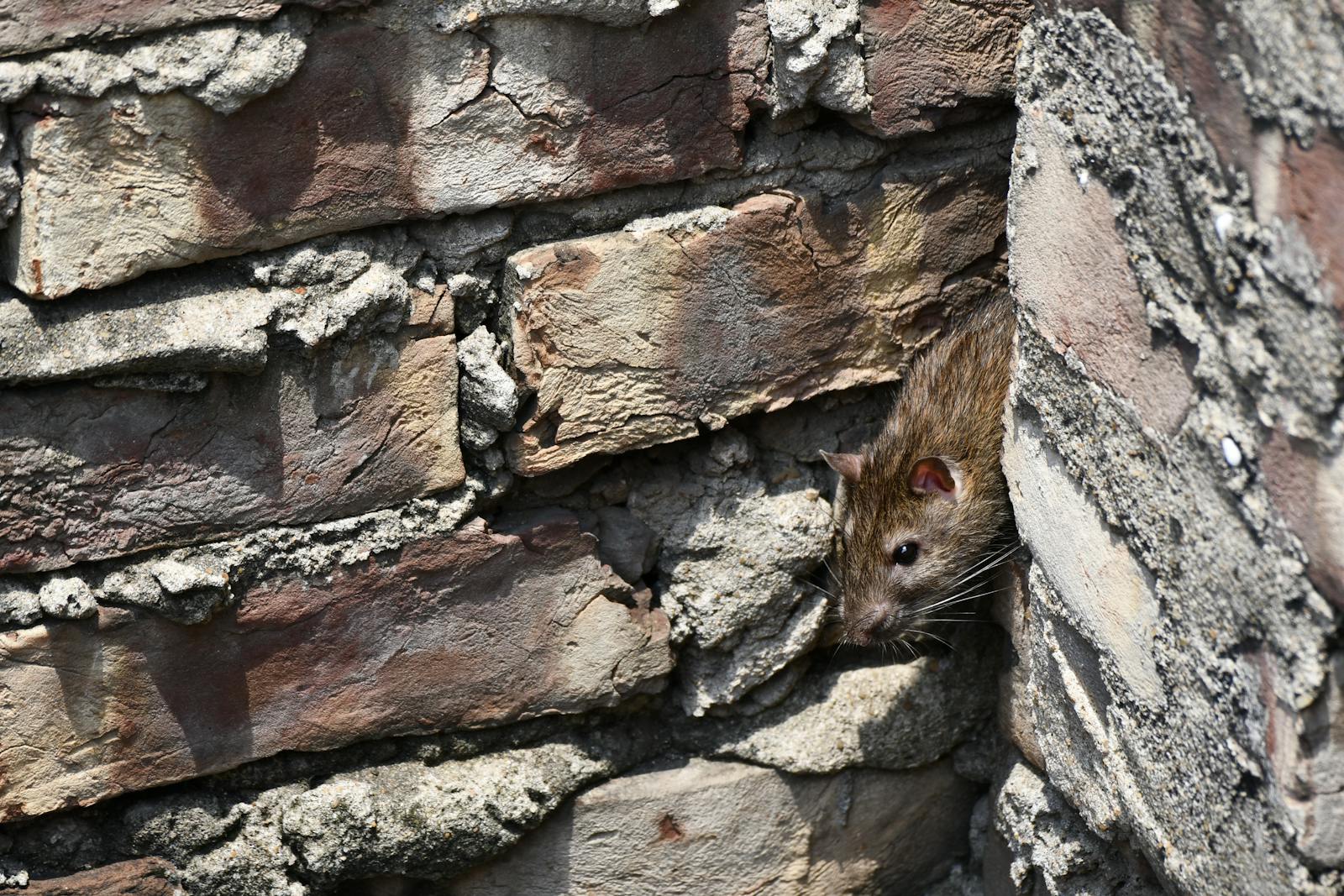
Have you seen a rat on the streets of Brussels? Perhaps snuffling around a ripped plastic bin bag, or darting out of an abandoned building? Sleek and unnervingly fast, their sudden appearances often trigger alarm – and the fear that they may be carrying disease.
If so, help is at hand. In just the first six months of this year, the City of Brussels mounted nearly 600 pest-control interventions. Budgets have been boosted, specialist contractors hired, and campaigns launched against what some estimate to be as many as two million rats in the region.
Contrary to popular belief, rats are not drawn in by the city’s restaurants, cafés and fast-food outlets. These businesses have every incentive to dispose of food waste safely, with daily refuse collections in many areas – no restaurant wants rats rummaging near its doors.
Instead, the real causes are closer to home — and often in plain sight: poorly managed food waste.
At the Brussels-Central station, commuters tear open baguette sandwiches, eat on the go, and toss the leftovers under benches. In playgrounds in Woluwe, children drop sweets and chips that go lie around for days. At the city’s open-air festivals, from Couleur Café to the Fête de la Musique, food scraps can linger overnight.
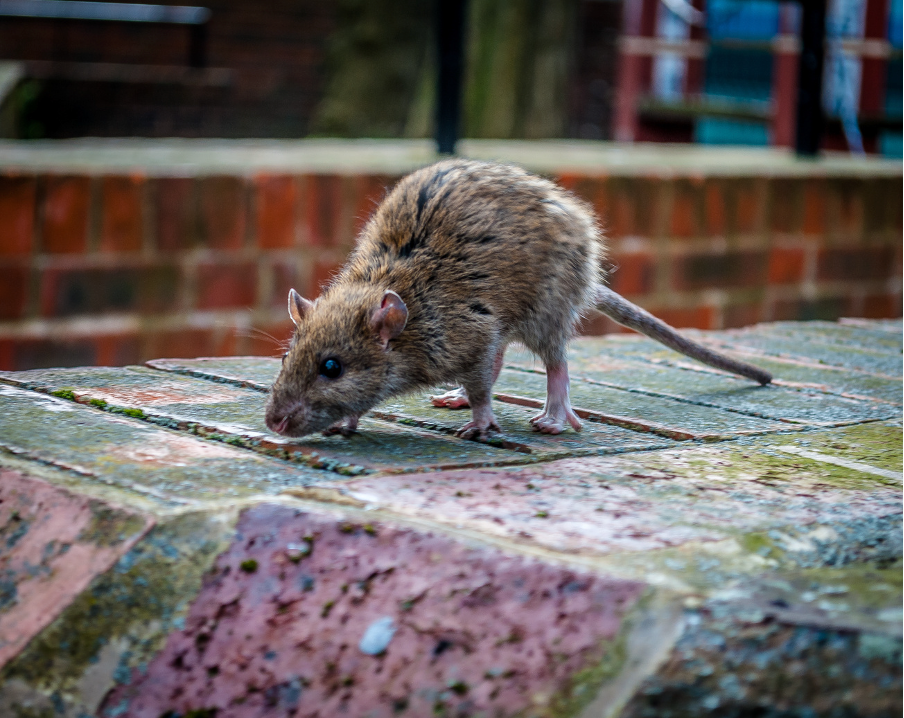
Rat in the city
Parks and green spaces are particularly vulnerable, especially when picnickers leave scraps behind. Bans on feeding pigeons have helped, since rats thrive on leftovers that birds ignore. Illegal dumping sites and abandoned buildings also provide rats with food and shelter, allowing them to breed undisturbed. Once a nest is established, litters can range from seven to 12 pups, making population growth rapid.
And what about the plastic bin bags most Brussels communes still use – prone to tearing and spilling waste? These are less of a problem than people assume, but households are encouraged to switch to sturdier alternatives. Many communes now provide rigid plastic bins, and property developers are urged to install underground waste collection points beneath pavements.
Climate change also plays a role. Rats are sensitive to the cold: harsh winters once kept numbers down, but with milder weather, more rats survive through the year, making them more visible on the streets.
When infestations occur, the most common methods remain traps and poison. Ratcatchers have had to adapt to their prey’s intelligence. Because rats observe one another, fast-acting poisons fail: if one dies immediately, the others learn to avoid the bait. Instead, professionals use slow-acting anti-coagulants that kill days later, giving time for other rats to consume the same food.
Some communes have experimented with more unusual tactics. Etterbeek, for instance, has long employed ferrets, handled by specialist Jean de Marcken, to flush rats out of sewers and into nets, where they are humanely destroyed. Although retired, de Marcken still brings his ferrets when needed.
Despite the common image of rats living in sewers, they do not actually thrive there – there is no food. Instead, they use the underground pipes as a transport network, surfacing wherever they smell something edible. The water company Vivaqua conducts two large-scale anti-rat operations in the sewers each year, with additional interventions if requested by the communes.
The human factor
The idea of a city overrun with rats is a journalistic staple, yet reliable figures are scarce. Populations fluctuate seasonally, numbers are almost impossible to count, and what residents notice most is visibility. Simcha Nyssen of the Brussels-based Global Action in the Interest of Animals (GAIA) urges people to look past the hysteria.
“Rat populations are said to be increasing in many European cities, with more urbanisation being an important cause. Where people are, rats find more food,” she says. “But it is important not to overdramatise the presence of rats. More sightings do not necessarily mean the problem itself is larger; it may just be more noticeable to people. We need to control the population in an animal-friendly, sustainable, and effective way.”
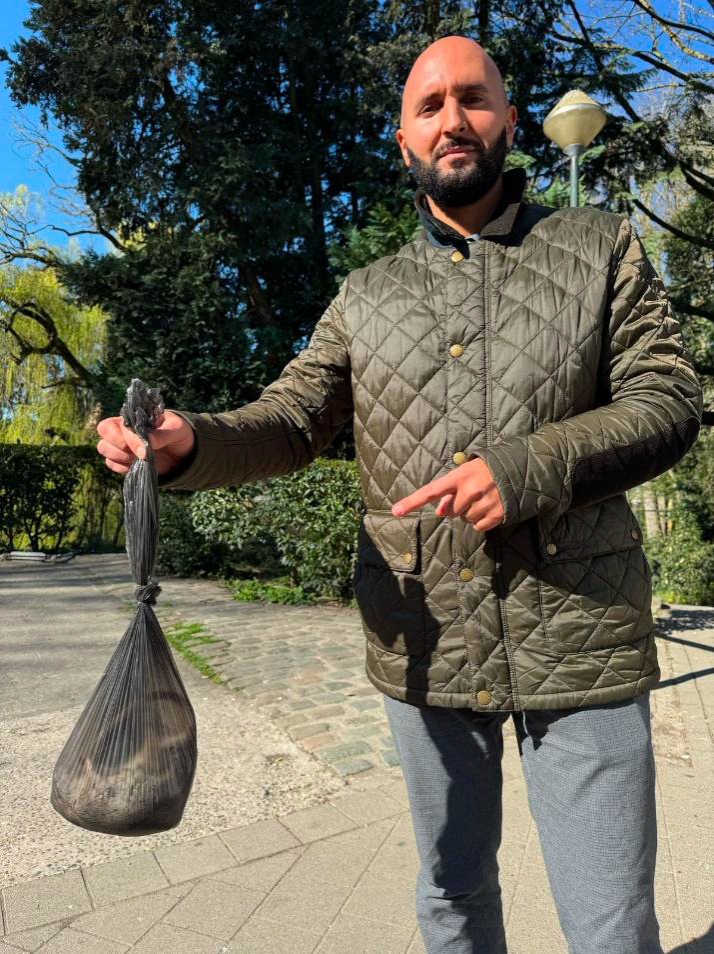
City of Brussels Councillor for Public Spaces Anas Ben Abdelmoumen with a rat in a bag
That perception gap has consequences. For centuries, rats have carried the stigma of plague, filth and fear. They are still saddled with the legacy of the Black Death – although it was actually fleas, mostly living on humans, that spread the disease. But Nyssen stresses the risks are often exaggerated. “It’s quite sad, because a rat is a very sensitive animal. It can carry diseases, but the risk that you get a disease from opening the door of the toilets in your local pub is much higher,” says Nyssen.
She also stresses prevention as the best response, which means not just better waste disposal but also routine maintenance of sewers and more thoughtful urban planning. “In many cities and municipalities, there is still far too little focus on this, which means the problem of rodent overpopulation continues to persist. Preventive measures are both humane and sustainable, as they address the root cause rather than merely treating the symptoms,” she says.
Pigeon menace?
Rats are not the only animals to test urban tolerance. Pigeons, too, are a Brussels constant – nesting in the Palais de Justice or strutting across Place Flagey in search of dropped fries. Brussels has long struggled with droppings on monuments and the costs of constant cleaning, while some residents continue to feed the birds despite bans.
Brussels authorities are now moving on from methods such as trapping, gassing or even surgical sterilisation: seen as both cruel and ineffective, they remove some pigeons but the remainder simply breed faster, creating a cycle of capture and death. Instead, it promotes a more humane approach with sterility feed: corn treated with nicarbazin, designed to reduce fertility.
As with rats, the solution lies in prevention and coexistence, not eradication. “We need to find a way we can live together without citizens being inconvenienced, but with respect for the animals,” she insists.
Ultimately, rats and pigeons are symptoms of a larger truth: the city is a shared habitat, not a purely human one. The real question is whether Brussels is willing to change its own habits – to curb waste, redesign spaces, and recognise that coexistence is not only possible but inevitable. “Rats play a valuable role in the ecosystem, which makes coexistence not only necessary but also beneficial,” Nyssen says. “We need to learn to coexist with them in a balanced and respectful way.”
