
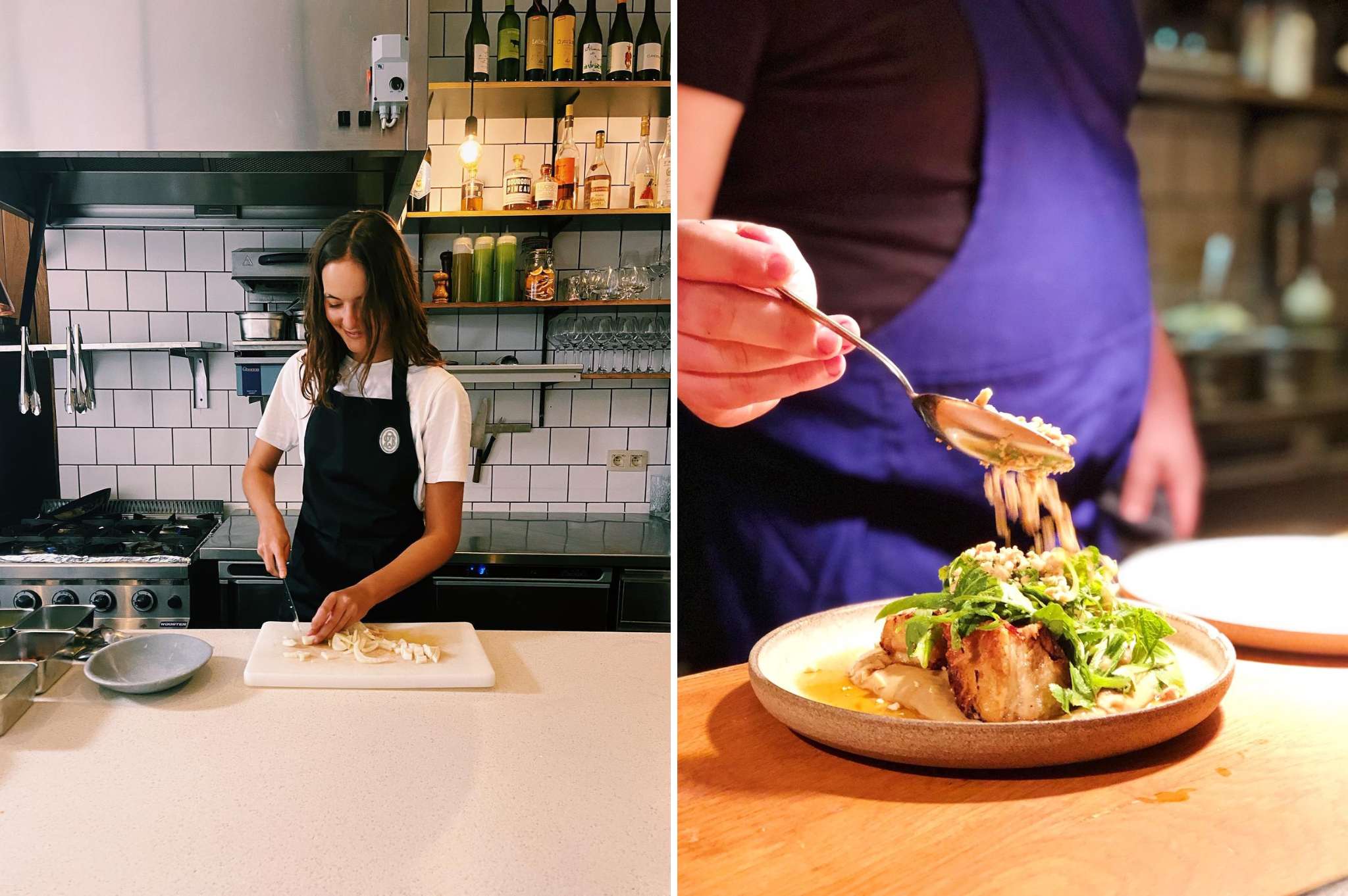
What are the most delicious foods, refreshing drinks, coolest cafés and intriguing restaurants in Brussels now?
Here are some that recently caught the eye of our food and drink expert.
Restaurant
Le 203
Almost next door to La Pompe café, Le 203 has become a Saint-Gilles favourite for a smart, unfussy business lunch. The menu is short and sweet: two starters, two mains, and a dessert at lunch; one additional main and dessert at dinner. There’s always a vegetarian option alongside meat or fish, and at around €35 for lunch and €45 for dinner (excluding drinks), it’s excellent value.
But speed isn’t the real draw. The charm of this small, eight-year-old restaurant lies in its cuisine: creative, simple, and delicious dishes prepared from fresh, seasonal produce, sourced locally whenever possible and always from quality suppliers. The menu changes every week to reflect what is best and freshest.
The owners, South African chef Richard Schaeffer and his French wife, Mathilde Hatte, are passionate about natural wines, which pair beautifully with their colourful, product-driven cooking. As a bonus, diners can also taste and buy their homemade “Must!” sauces: ketchup, BBQ, a mild mustard (a rarity in Belgium), and a mustard-seed pickle to liven up salads or fish. Schaeffer is a humble craftsman at heart – an artist whose work shines on the plate.
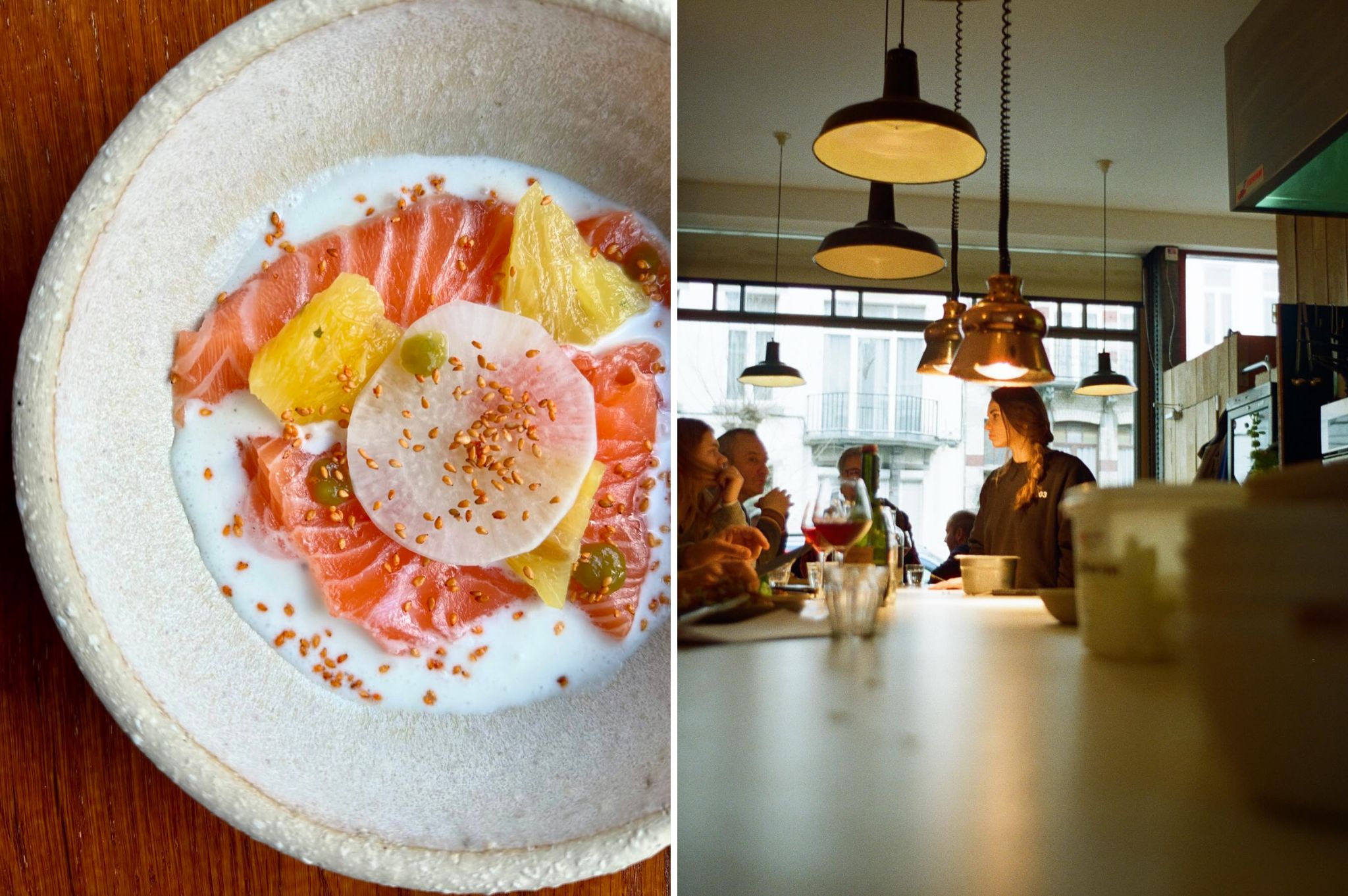
Le 203
The restaurant’s décor offers three distinct experiences. At the front, larger tables suit groups. In the middle, diners sit within the open kitchen, watching the team at work, as in a Japanese counter-restaurant – although here, half the table doubles as a plating station. At the back, a cosy bistro mood takes over, with small tables tucked close together, recycled chairs, a wooden bench, and a bare brick wall overlooking the garden.
Le 203 is open from Tuesday to Friday for lunch (12–3pm) and dinner (6:30–10pm). Reservations are not accepted, which can be tricky, but it’s worth arriving early, particularly in the evening.
A second dinner service offers latecomers a chance, though it’s wise to have a plan B nearby (like La Pompe or Fernand Obb Delicatessen just across the street). For the full experience, you can even stay at the couple’s two-level design apartment, Numéro Cent, located a few blocks away at 100 rue Saint-Bernard.
Le 203, 203 chaussée de Waterloo, 1060 Saint-Gilles Open Tuesday–Friday, 12–3pm and 6:30–10pm.
Drink
Spa mocktails
Innovation sometimes comes from unexpected places. Spa, the flagship brand of Belgian water giant Spadel, is woven into the fabric of everyday life in Belgium. Founded in 1912, Spadel was granted exclusive rights to exploit waters from the town of Spa, which flow from a 130 km² natural reserve in the Hautes-Fagnes National Park, protected since 1889. Every Belgian has tasted Spa—flat or sparkling.
In 2013, the company launched flavoured sparkling waters and lemonades. But the non-alcoholic drinks market was thirsty for more: more complex flavours, more surprising sensations, and more choice beyond the chemical- and sugar-heavy mainstream brands. Spa’s new mocktails deliver exactly that, ticking every box in the trend for healthier drinks: no alcohol, zero sugar, and full flavour.
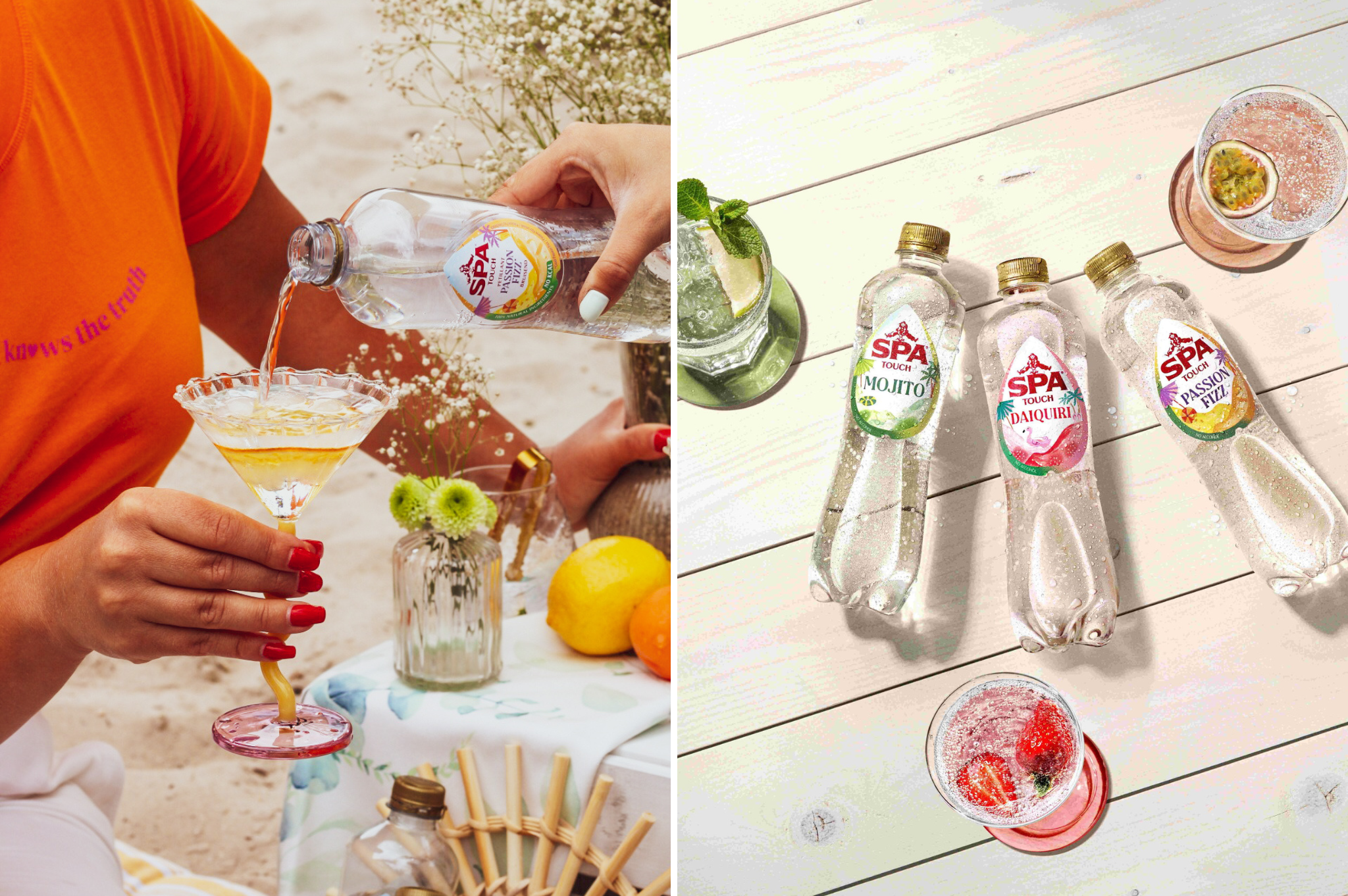
These aromatised waters, the first of their kind in Belgium, are a paradox in a bottle: 99.9% pure water and 0.1% sophisticated aroma. Simplicity and sophistication together. The naturally sparkling water comes from Spadel’s Marie-Henriette spring, infused with aromas now available in three varieties: Mojito, Passion Fizz, and – since June 2025 – Daiquiri.
Spa mocktails
It may seem bold to name sparkling water after classic cocktails, yet the taste is genuinely striking. You don’t get the illusion of drinking the real thing, nor even a traditional mocktail, but rather the quintessence of those drinks.
I wasn’t swayed by glossy posters of sun-drenched, beach-party youth brandishing bottles of Spa mocktails. But I drank it mindfully, and the flavours surprised me. Complex, layered, and somehow capturing the essence of the originals, they are a triumph of Spadel’s R&D. And at only €1 for a 50cl bottle, they are well worth trying.
The drinks are best enjoyed ice-cold, straight from the fridge. A glass is unnecessary – the handy bottle is ideal. Adding ice only dilutes the flavour and undermines the sparkle. It’s the precise marriage of fizz and aroma that makes them so powerful.
The Mojito is intensely refreshing, with a long mint finish that avoids the wilted, oxidised taste of real leaves. Passion Fizz balances the tartness of passion fruit with peach notes for extra body.
The Daiquiri explodes with strawberry aroma and an unexpected creaminess. Interestingly, Passion Fizz carries a subtle “vodka aroma,” while Mojito and Daiquiri are built on “rum aroma.” Perhaps that’s what lifts them beyond simple fruit waters into something more nuanced and evocative of cocktails themselves.
The first two flavours have already found their audience; it’s too soon to know if the strawberry Daiquiri will follow suit. But one thing is certain: everyone will discover a favourite.
Ultimately, these drinks are more than refreshment. They capture a hint of summer, of parties, holidays, and beach bars. And perhaps only a 130-year-old company, present at every Belgian table from cradle to grave, could distil such fleeting joys – the essence of carefree youth – into a single bottle.
Café
Kalypso
Brussels has no shortage of unusual places to drink, but few rival Kalypso — a bar on a barge. Not just any barge, but the Edouard, the city’s oldest, built in 1913 at the Baasrode shipyards in Dendermonde. For 65 years, it hauled coal through Belgium’s waterways before mooring permanently at the Port of Brussels, opposite Tour & Taxis.
Since then, the barge has led many lives: first as a dwelling, then as an artistic hub in 1992 under the name Fulmar 1913. In 2011, Gwenn Feron took over, retrofitting the vessel from hull to deck and transforming it into a venue for parties, theatre, and concerts, before briefly converting it into an Airbnb.
Last spring, the baton passed to Martin Kaufmann, a young entrepreneur in the events industry. Unlike other barges that serve solely as hired venues, Kaufmann gave the Edouard new energy. After a full refurbishment, he opened Kalypso in July: a permanent bar on the 120 m² upper deck, complemented by the flexible 80 m² lower deck.
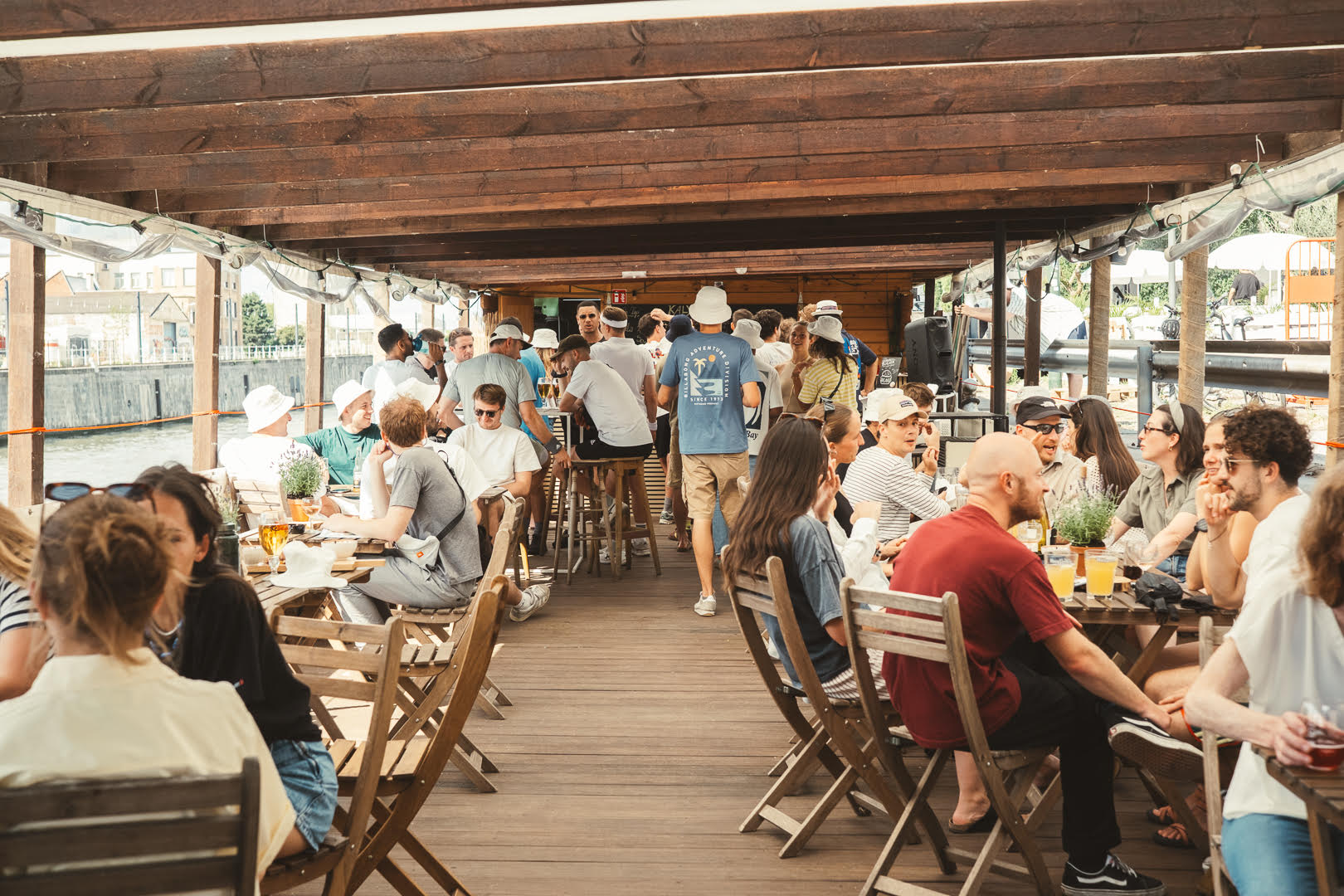
Kalypso cafe in Brussels
The lower space, aptly named La Cale (“the hold”), now hosts stand-up comedy, improv theatre, concerts, and corporate events throughout the year. Kalypso Events can also tailor weddings, parties, and exhibitions, with pricing that distinguishes between private and corporate clients.
The upper deck bar, open year-round from Wednesday to Friday (4pm–midnight), offers one of the city’s most refreshing experiences: drinks with a view of the water, especially magical at sunset when the sun slips between the canal-side buildings.
The drinks menu is still basic but features carefully chosen natural and organic wines from Brussels importer Vineaste. To eat, the options are straightforward but satisfying: homemade smash burgers with fries or a generous board of cold cuts sourced from Ardèche, France.
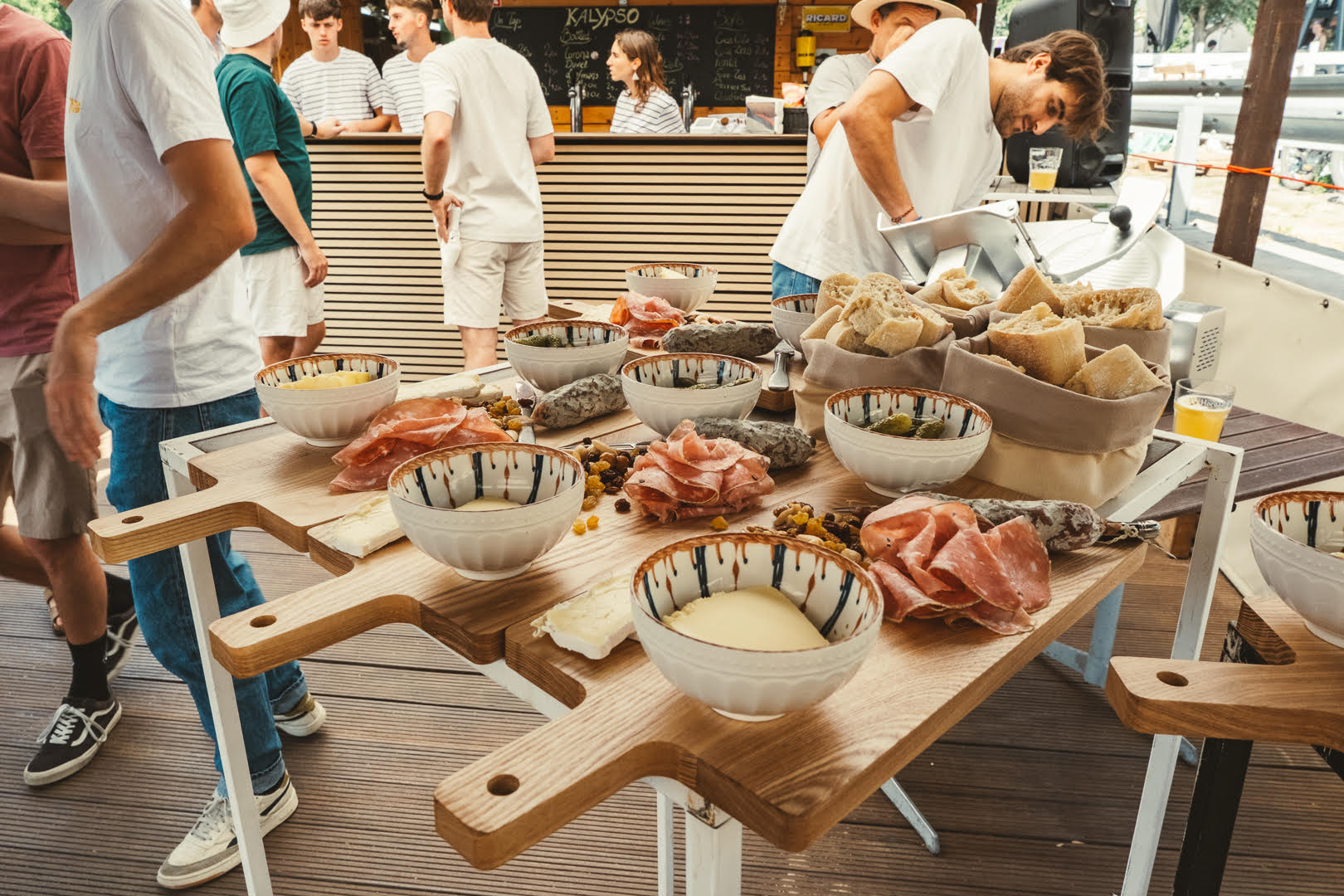
Food at Kalypso cafe in Brussels
The name Kalypso, beginning with a K like many businesses along the Brussels Kanaal, anchors the bar in a neighbourhood that is rapidly evolving. Since the opening of the Suzan Daniel footbridge in October 2022, linking the North Station to Tour & Taxis, the area has been buzzing with new hotels, rooftop terraces, restaurants, and galleries. The forthcoming Kanaal Museum, expected in 2026, will only accelerate the momentum.
With its wooden floors, simple tables and chairs, and warm, dimmed evening light, Kalypso exudes cosiness. Add the relaxed, friendly service, and you have a spot that feels at once casual and special – a perfect place for an after-work drink by the water, aboard a vessel with over a century of history.
Kalypso: 22, Quai des Péniches, 1000 Brussels
Food
Berloumi
Eight years ago, one of my first articles for The Brussels Times featured a rosé wine. Half of it, though, was devoted to Belgium’s deep-rooted love of the barbecue. I won’t repeat that BBQ is almost a national religion in this rainy country – but the tradition of scouting camps, where youngsters learn to cook outdoors in any weather, may explain why Belgians are so inventive when it comes to food around the flames.
For vegetarians, the choices at barbecues have long been limited: either high-tech vegan meat substitutes (we have already covered Greenway) or grilled cheese, best known in Belgium as halloumi. The good news is they no longer need to rely on imported halloumi. They can enjoy Berloumi, its 100% Belgian counterpart.
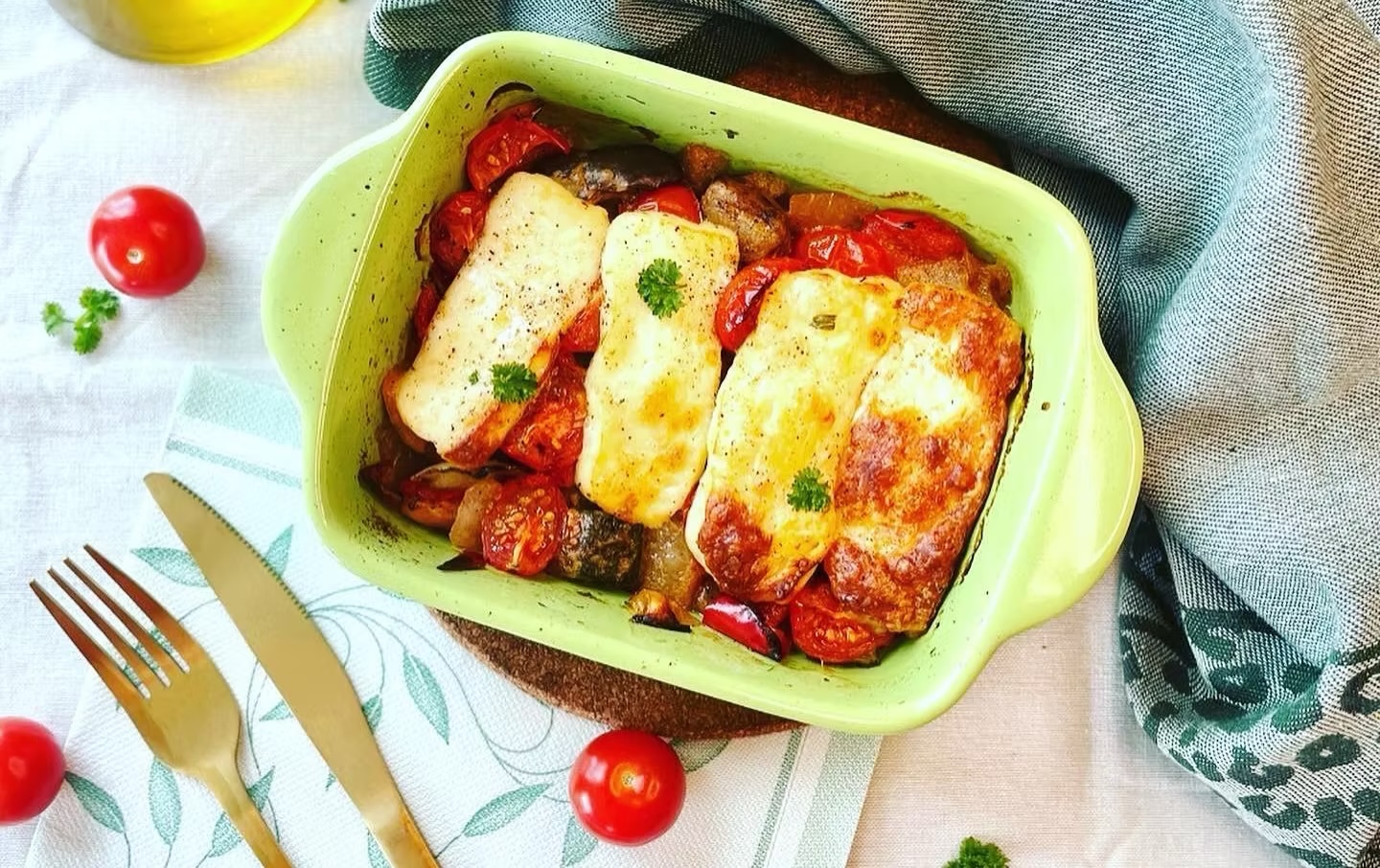
Berloumi, a Belgian version of grilled cheese
Made in Berlare, near Ghent, Berloumi is produced from the milk of a single local farm. The milk is not fermented but undergoes an enzymatic transformation before being drained, cut, and cooked at 90°C. Ever wondered why this cheese can be grilled without melting? Because its proteins are not broken down by fermentation – they stretch rather than collapse.
The result is a firm three-centimetre-thick block that grills beautifully and can even crisp on both sides. Delicious plain, it also comes flavoured with herbs, aromatised oils, or chilli. With a shelf life of nine weeks, it’s an easy fridge staple, now available in supermarkets as well as in organic shops.
Another advantage of this production method is sustainability: the whey left over from the process, still rich in protein, is recycled into ricotta. The dairy behind Berloumi, De Zuivelarij, not only works with local farms but also minimises waste. Over time, it has diversified into other specialities such as labneh (cream cheese), paneer (Indian cooking cheese), cacioricotta (a distinctive goat cheese), and even Sicilian cannoli filled with sweetened ricotta.
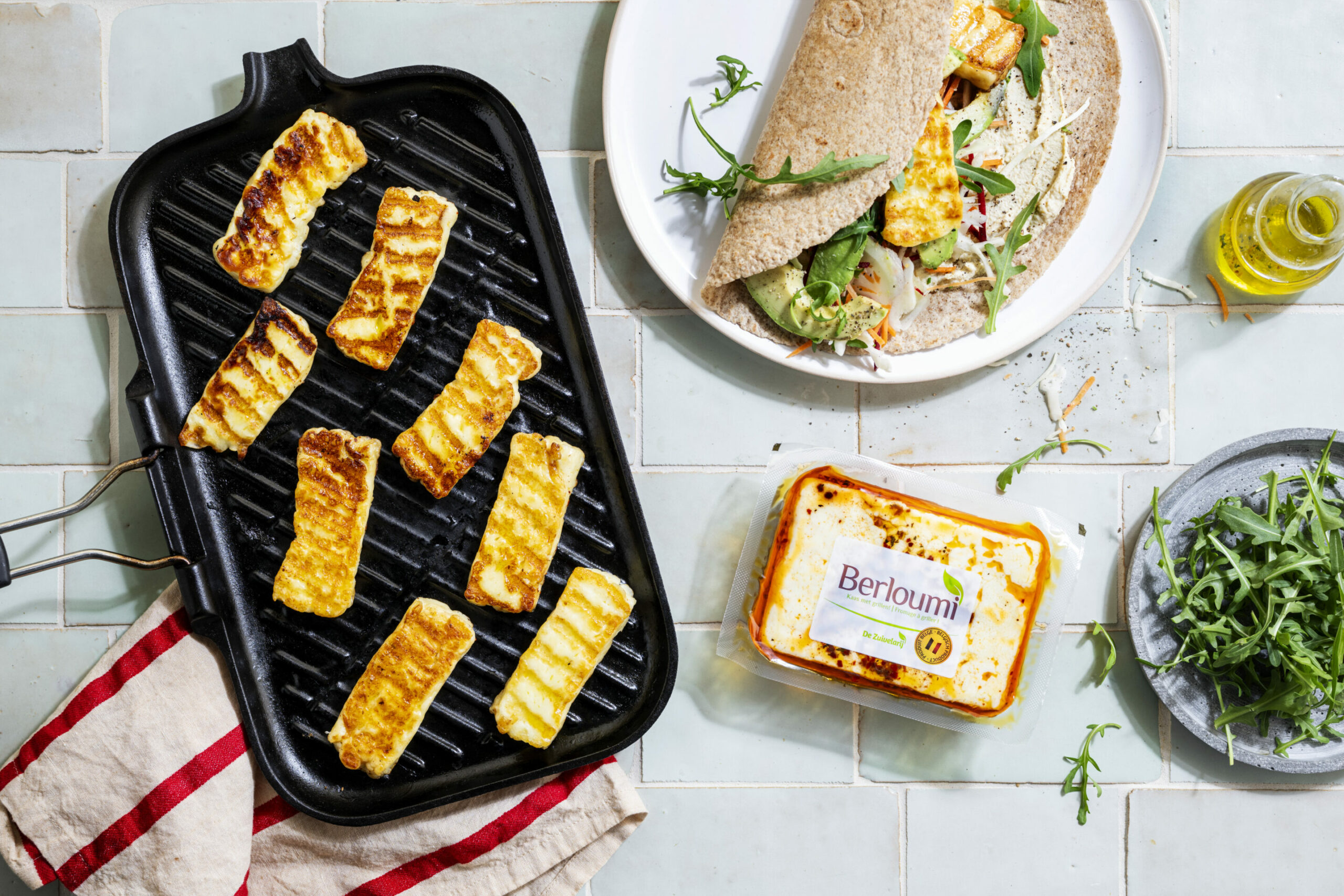
Berloumi, a Belgian version of grilled cheese
The story behind Berloumi is as appealing as the cheese itself. David De Coster, passionate about cheesemaking, taught catering in a Ghent school where students had to learn vegetarian cookery.
Spotting a gap in the market for a Belgian-made halloumi, he set out to create one. Ten years on, De Zuivelarij now processes 1.3 million litres of milk annually from nearby farms, with expansion planned to keep pace with the growing appetite for non-meat and Mediterranean-inspired foods.
A genuine Belgian success story – ready for the grill, whatever the weather.
