
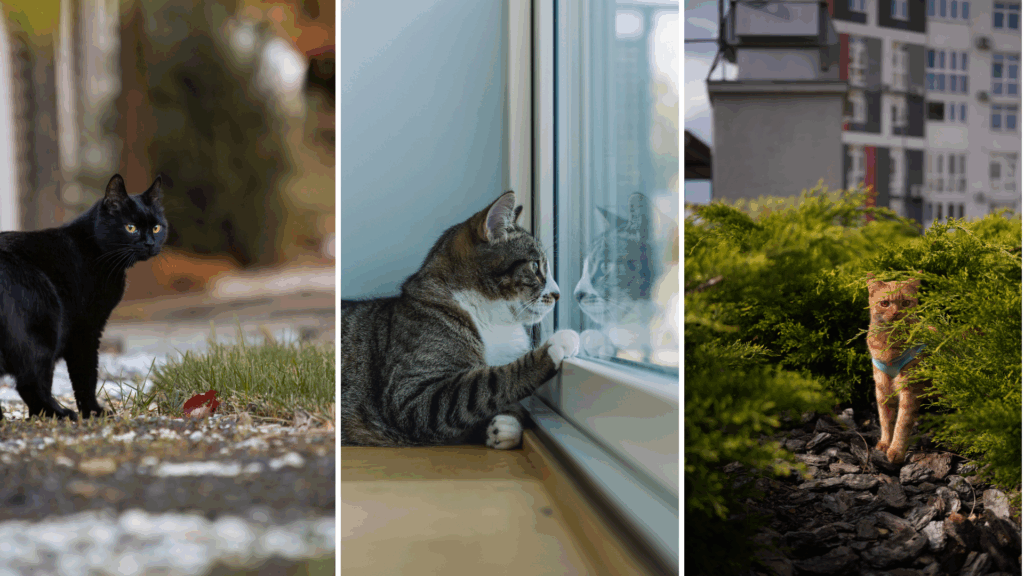
In Belgium, cats roaming freely outdoors have long been a source of debate, raising questions about animal welfare, public safety, and the protection of wildlife.
Earlier this month, a Dutch court ruled that cat owners are not legally liable for their pets killing protected wildlife, a decision that has sparked calls for stricter regulations and raised questions about consistency with laws applied to dogs.
So what are the rules here in Belgium, and what are the rights and wrongs of allowing our feline friends to enjoy the great outdoors unaccompanied?
Rules and regulations
In Belgium, cat owners are legally required to follow several regulations to ensure the welfare of their pets and to control the stray population. All cats must be identified with a microchip, registered in a national database, and vaccinated.
Sterilisation is strongly encouraged, and while it is mandatory for adopted cats, compliance among private owners remains inconsistent.
Local municipalities also have powers to capture and manage stray cats, and violations of these regulations can lead to fines or restrictions. These measures aim to protect both the animals and the broader ecosystem from the risks posed by uncontrolled cat populations.
However, it is for individual cat owner to decide whether or not to allow their pets to leave the house.

Artemis (left) and Apollon (right), chilling on a sofa. Credit: Anas El Baye
Free roaming
For some cat owners, outdoor access is essential for a cat’s well-being. Charles, 37, who lives in Laeken, describes cats as “formidable predators” but insists that their freedom to explore is crucial. He recalls watching his mother-in-law’s cat hunt birds and seeing the aggressive encounters between animals.
“Stray cats absolutely need to be neutered,” he tells The Brussels Times, “but it’s not good to keep a cat locked up. Cats need to explore the world - it’s essential.”
Creative solutions to the problem exist. “Our neighbour walks his cat on a leash, which surprises many passersby, but it’s a way to control the situation safely,” he says.
But first safety
Safety is the primary concern for others. Katie, 39, originally from the UK and living in Ixelles, keeps her 10-year-old cat, Coquine, indoors.
“In the UK, it’s normal for cats to roam free,” she explains. “But there are so many dangers outside – cars, foxes, and cruel humans. When I was young, our cat lost an eye after being shot with an air pistol. I don’t want that to happen to Coquine.”
Katie provides enrichment through play and a secure balcony, allowing her cat to safely observe birds without harming them.
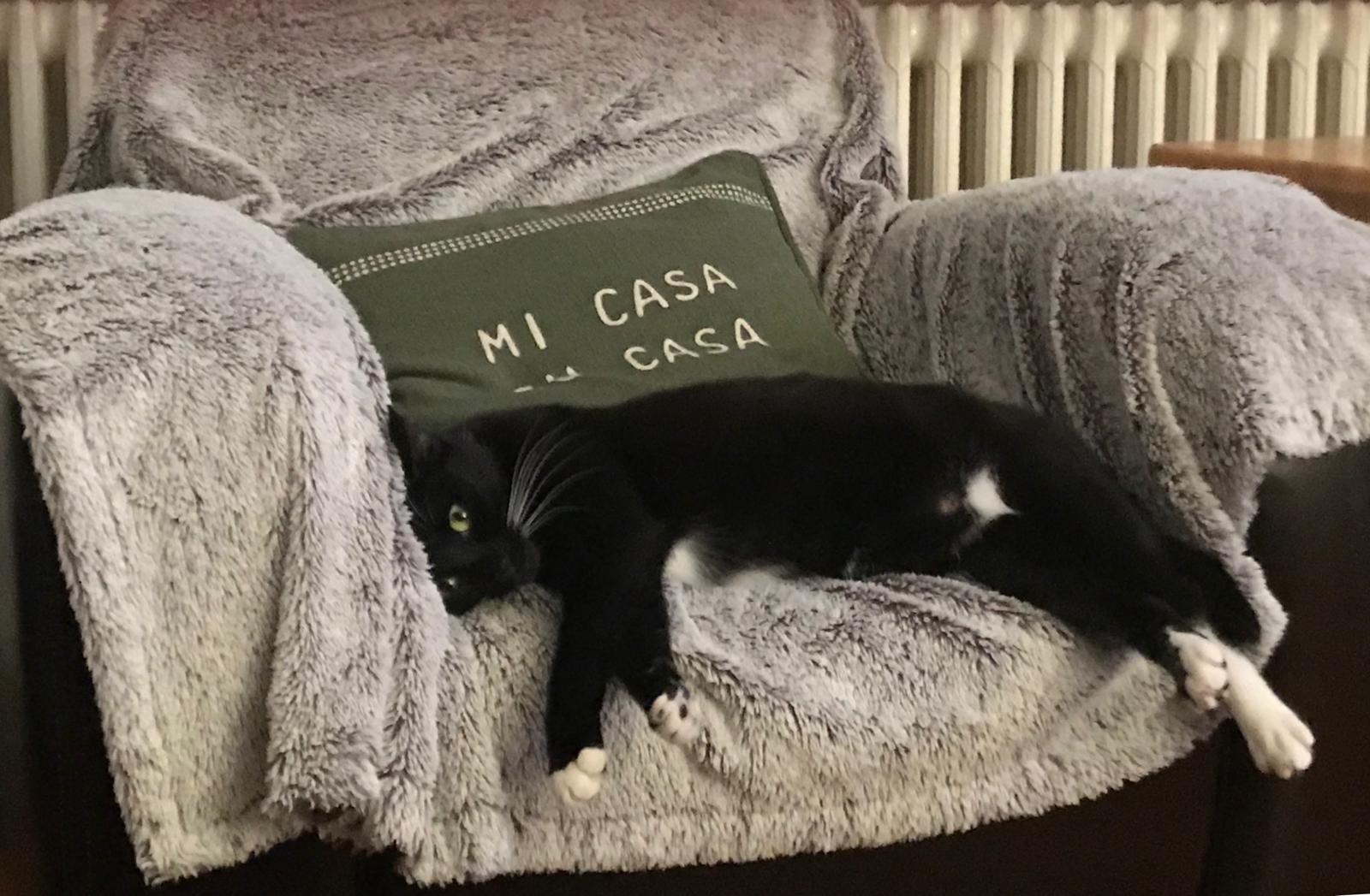
Coquine is an indoor cat. Credit: Handout
Tina, 52, who lives in the suburbs of Flemish Brabant, believes in a practical and responsible approach to free roaming. “Cats do kill a lot of birds, but they are predators,” she says.
She allows her cat, Basile, to roam freely in her large garden, but keeps a bell on him to warn potential prey. “He has a GPS that lets me see where he is and I can even make it vibrate so he comes home. It also has a light for the dark”, she explains. Her GPS costs €50, with an annual subscription of €70.
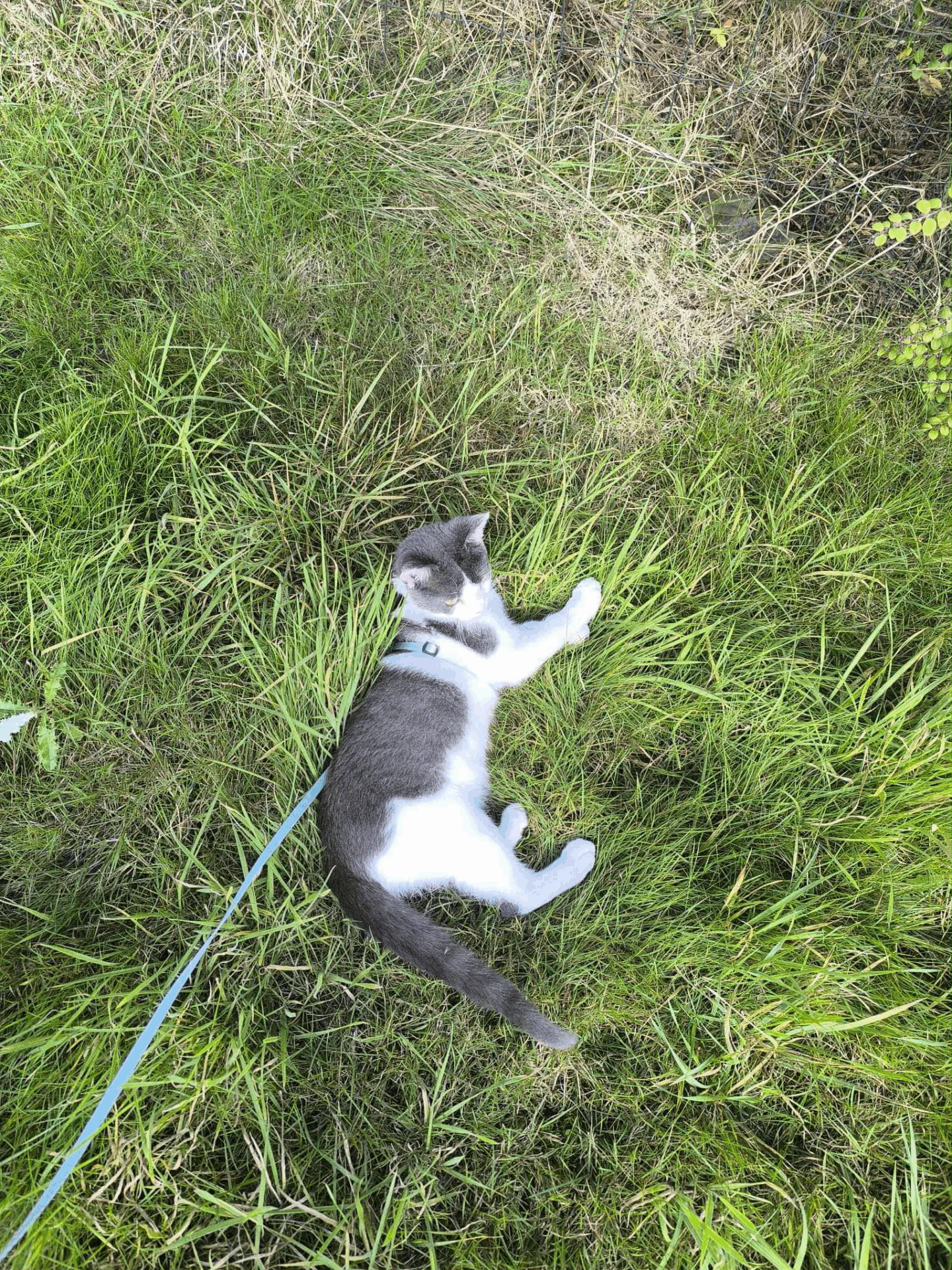
Basile loves to be outside. Credit: Handout
Tina observes seasonal differences: in summer, Basile can come and go freely, but in winter, he is unhappy when the door is closed. She believes that stray cats are a real problem and that neutering is as important as vaccination. “The real problem is the people who don’t follow these laws. If everyone neutered their cat, there wouldn’t be any stray cats,” she concludes.
Professional insight
Pet industry professionals see a middle ground. Saskia, CEO of Sweetnest and Carotte by Sweetnest, which runs pet hotels hosting cats, recommends GPS-enabled microchips for cats, enabling outdoor freedom while keeping them safe. “Numerous people are afraid that their pedigreed cats will be stolen, so they don’t let them go outside,” she explains.
“Many of my clients move just to have a garden or a closed balcony for their cat,” she says. “People realise that cats need some exposure to the wild, but it must be controlled.” She also calls for stricter neutering policies with government oversight to reduce the number of stray cats.

Sweetnest is a pet hotel in Uccle. Credit: handout
Authorities response
Local authorities are responding to the issue. A 2022 survey of 252 Flemish municipalities showed that 14,609 stray cats were captured and 11,800 sterilised, reflecting increased investment in cat management programs. Yet legal responsibility remains contested.
The debate over cats roaming freely in Belgium continues to evolve, highlighting the need for responsible ownership, technological solutions, and informed public policies to ensure both animal welfare and the protection of wildlife.
