
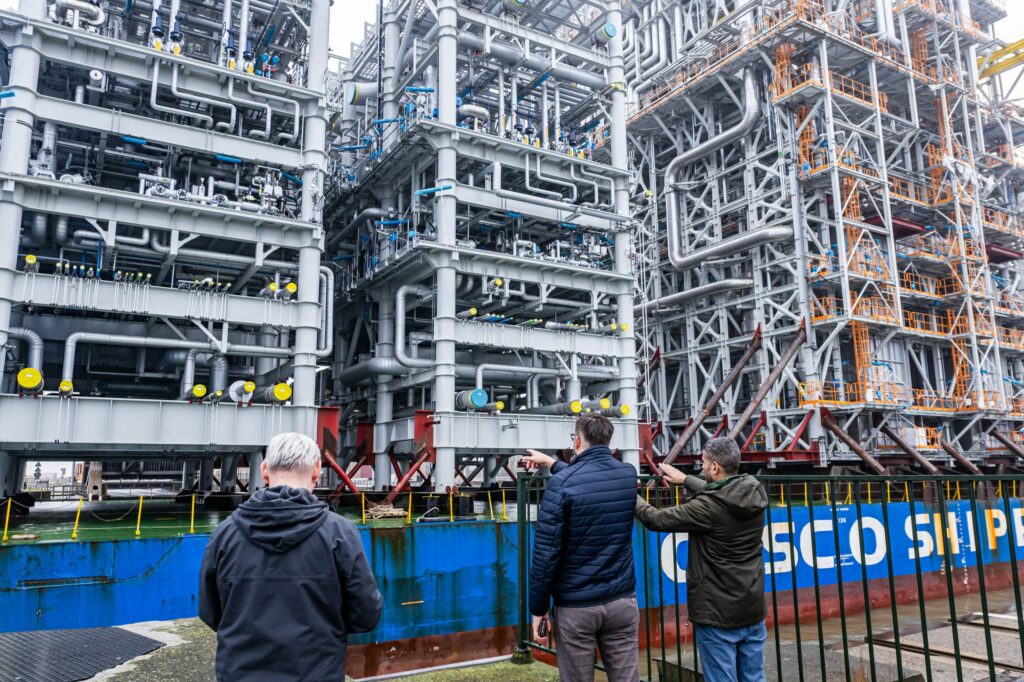
A chemical plant under construction in Antwerp could cause a higher number of early deaths than jobs created, according to a court challenge recently brought forward by a group of NGOs.
The Project One facility will use fracked fossil gas from the US to make ethylene, the raw material used in plastic, through a process known as 'cracking'. It will be the biggest plastics plant on the continent, and is the largest European investment in the chemical sector in 25 years, Ineos CEO John McNally stated earlier this year.
ClientEarth, the NGO which is leading the challenge, argues that the necessary climate and health impact assessments relating to the project have been insufficient, and that figures have been underestimated. A total of five permits have been granted by local authorities.
Reports commissioned as part of the appeal have estimated that, at a regional level, pollution from the plant would cause 410 early deaths, as well as 100 extra cases of asthma in children. Meanwhile, the British chemical giant has projected that the €4 billion development will add 300 new permanent employees.
The number covering the full supply chain includes the on-site emissions as well as those from fracking and processing gas in the US, known as 'Scope 3' emissions, which are then shipped to Antwerp. The full extent of these emissions, the NGO argues, citing "recent national and international judgments", should be included in the impact assessments.
Fracking hotspots
A study by Data Desk, which was submitted to the court, estimated that the full supply chain emissions footprint of Project One could reach 3.8 million tonnes of carbon emissions each year. This figure is five times higher than the number for direct emissions in the assessment report produced by Ineos, ClientEarth has pointed out.
This is the fifth appeal against the permit for the facility, which was subject to an injunction in 2020 but was overturned by a court in 2023. Representatives of communities living in fracking hotspots in the US came to Belgium last month to meet with politicians and locals to raise awareness around the impact of using fracked gas, as is the case for Project One.
"We know categorically that we need no more plastic-producing infrastructure globally," said ClientEarth lawyer Tatiana Luján, who is leading the case. "Yet right here in Europe, authorities are bending over backwards to enable the biggest plastics facility on the continent yet".
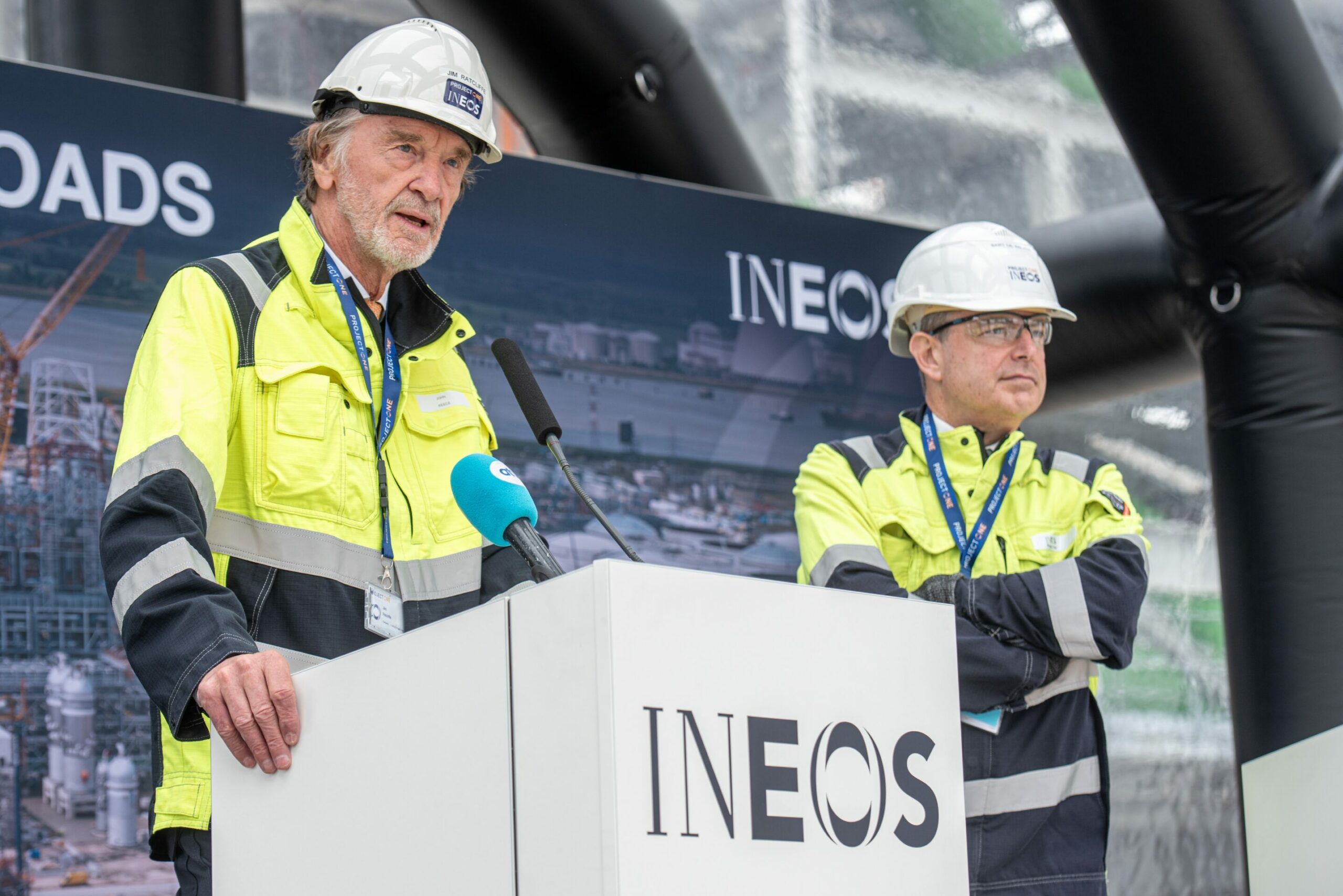
INEOS founder and chairman Sir Jim Ratcliffe and Prime Minister Bart De Wever are pictured during a visit to the construction works on Project One, Ineos' new chemical plant, in Antwerp, Tuesday 10 June 2025. Credit: Belga / Jonas Roosens
“Project One has a shiny image, but its story is founded on fossil fuels," Luján added. "The gas supply chain is riddled with injustice and huge emissions, and this is currently flying under the radar. Meanwhile, experts have detailed a projected local impact that people in Belgium are not being made aware of."
"Recent rulings on how authorities need to tally up the real impact of industrial developments change the prospects of this legal challenge. This is the first time a court will weigh in on Scope 3 and plastics. That makes it a crucial case."
Company responds
Ineos told The Brussels Times that it had not yet been officially notified of the appeal, nor had it received it, and could not comment in detail on the arguments the NGO put forward. "We are clearly disappointed that the NGOs have once again chosen to take legal action, despite our invitation to them to engage in dialogue about their concerns."
"It is also regrettable that the legal security of investments in the renewal of industry in Europe is repeatedly being undermined. This is happening in a context where our European manufacturing industry is heading for further deindustrialisation, due to a lack of protection against rising imports from regions that are not subject to strict environmental regulations."
Ineos added that they "remain fully committed to the realisation of our project: the most environmentally friendly steam cracker in Europe, with carbon emissions less than half those of the most efficient European installations."
