The director of Brussels-based financial clearing house Euroclear has condemned an EU proposal to use Russia’s frozen assets to fund a multi-billion euro loan for Ukraine.
In an interview with Le Monde, Euroclear’s director, Valérie Urbain, said she could not rule out suing the EU if the plan goes ahead.
What does the EU's proposal involve?
At the onset of Russia’s full scale invasion of Ukraine in March 2022, the EU froze around €210 billion worth of Russian assets. Most of these assets (approximately €190 billion) are housed at Euroclear.
Until now, European authorities have only used the interest on frozen Russian assets to fund Ukraine. Now, the EU wants to go a step further and touch the assets themselves, using €140 billion of the funds currently held at Euroclear to keep Ukraine financially and militarily afloat for the next two years.
Belgium fears the possible legal and financial ramifications of this, and is demanding firm guarantees from the European Commission and the other member states to share these risks.
What is Euroclear and what did its director say?
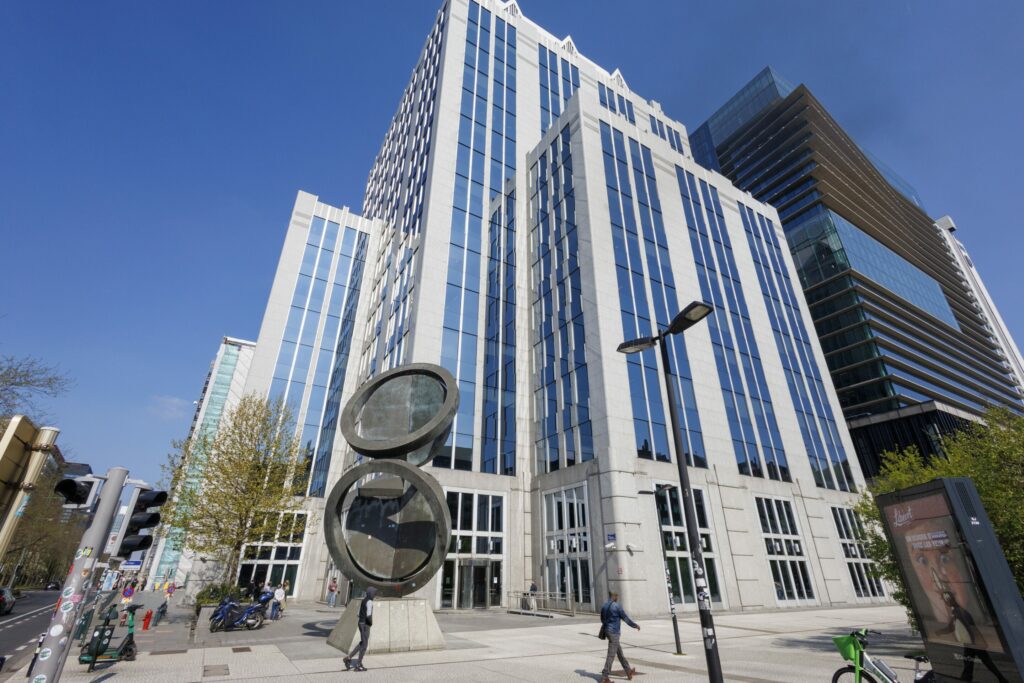
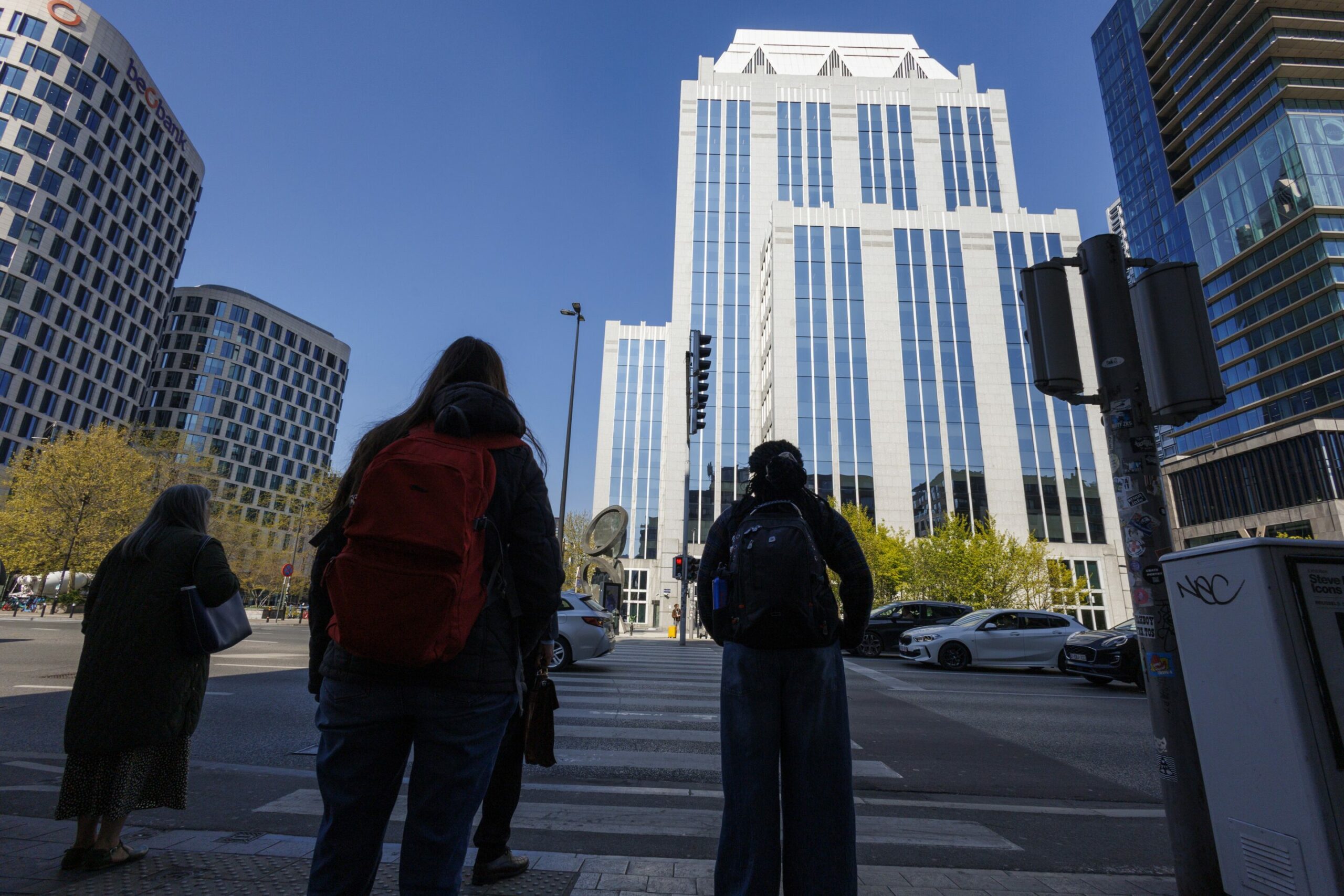
Headquartered in central Brussels on Boulevard Albert II, Euroclear is a depository where central banks and investment funds place stocks, bonds and other financial products. It handles trillions of Euros worth of transactions each year.
Belgian national Urbain has been head of the organisation since May 2024. She told Le Monde that she learned about the EU proposal while reading the news.
Euroclear is a depository where central banks and investment funds place stocks, bonds and other financial products. Credit: Credit: Nicolas Maeterlinck/Belga
Warning of dire consequences for the entire eurozone should the EU plan come to fruition, Urbain told the French newspaper that "the most important thing for Euroclear is credibility and trust.”
"We are an essential link that must remain infallible for the stability of financial markets," she said. "We must be extremely vigilant. [Seizing assets would go against] the international law of sovereign assets belonging to a state. Russia could then take legal action."
Asked by Le Monde if she envisioned legal action against the EU if Euroclear’s board thinks its “fiduciary duties are being compromised”, she responded: “It is not out of the question.”
Urbain claims that her organisation is being unfairly targeted in this debate, pointing to the fact that Euroclear is not the only institution holding Russian money. Russian assets are also reportedly held in the UK, Switzerland, the US and Japan.
"These countries remain silent," Urbain told Le Monde. "It's time to stop targeting Euroclear and Belgium."
Belgium’s position
Belgian Prime Minister Bart De Wever appears to be aligned with Urbain’s thinking on the matter, having made his scepticism over the plan loud and clear.
Speaking at the European summit in Brussels last month, De Wever stated he would take all necessary political and legal measures at national and European levels to oppose the decision if certain conditions are not satisfied. “This is unprecedented—we didn’t even do this during the Second World War,” said De Wever.
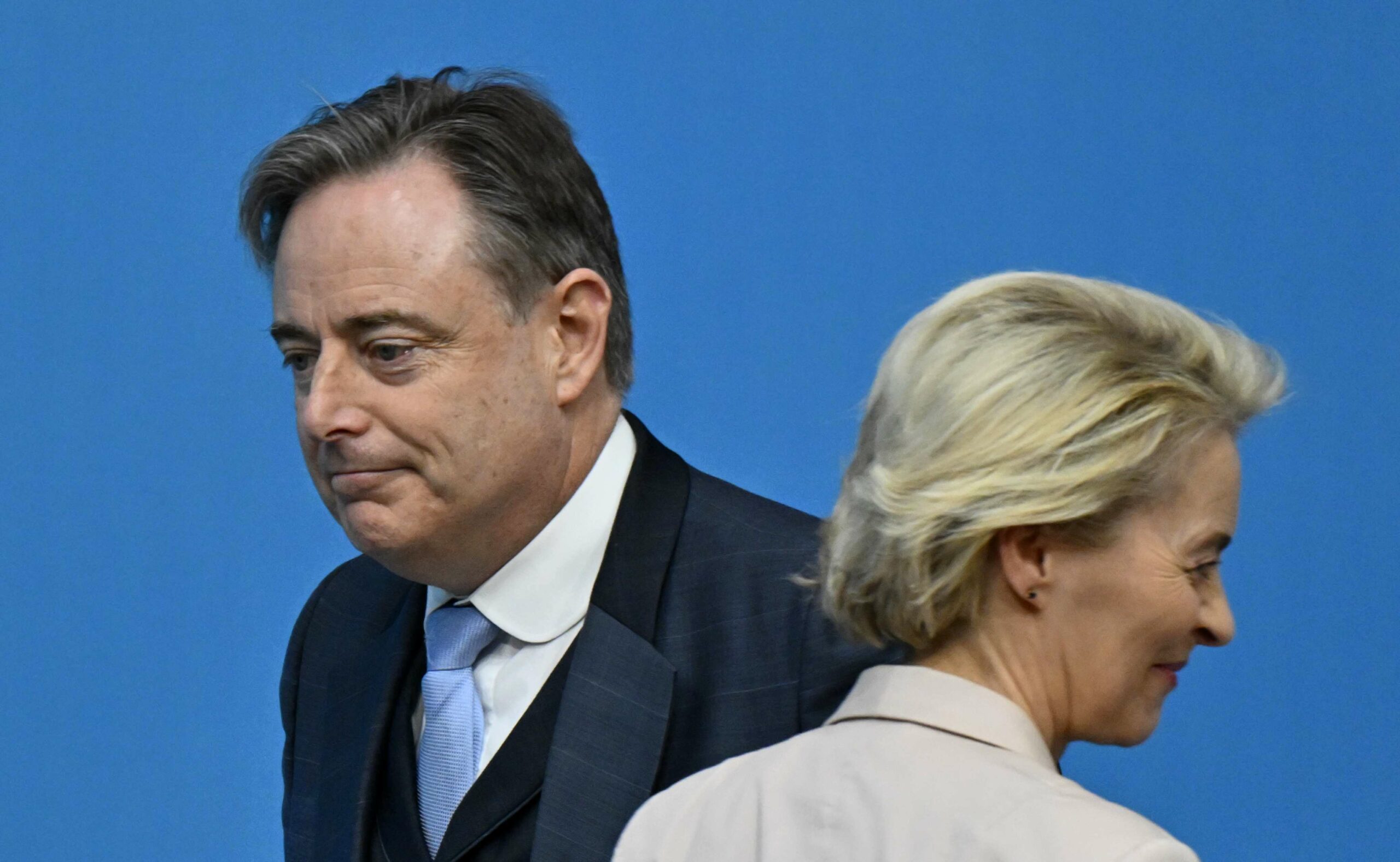
Belgian Prime Minister Bart De Wever (N-VA) and European Commission President Ursula Von der Leyen. Credit: Belga/Eric Lalmand
Belgium is demanding risk-sharing among member states, guarantees against potential repayment obligations in a worst-case scenario, and inclusion of other EU countries holding frozen Russian state assets in the mechanism.
In a letter sent to EU member states on Monday, following a meeting between De Wever and Commission President Ursula Von der Leyen on Friday, the Commission set out how it would ensure Belgium does not shoulder the burden alone.
According to the letter, the Commission’s guarantees would cover risks arising from arbitration or judicial decisions related to bilateral investment treaties (eg. the 1989 Belgium-Luxembourg-Russia treaty) that are linked to the freezing of Russian sovereign assets.
The letter says that in order to ensure that the EU remains able to repay, member states would provide the Union with "legally binding, unconditional, and irrevocable" guarantees based on their national wealth.
Related News
- EU promises to protect Belgium over use of frozen Russian assets
- Russian ambassador threatens Belgium with 'severe retaliatory measures' over frozen assets
- 'Out of the question': Norway rules out being the sole guarantor of loan to Ukraine
- 'Europeans are the only ones who have a say' French President Macron on frozen Russian assets
