
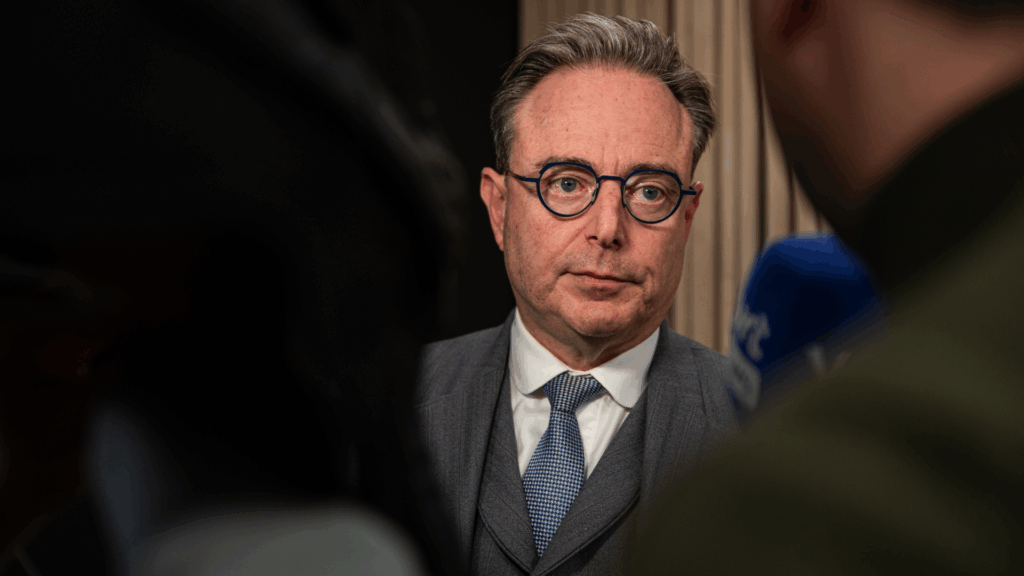
Belgium's Federal Government agreed on a budget until 2029 after more than 20 hours of negotiations. The multi-year agreement seeks to reduce the government deficit by 9.2 billion euros.
Key measures include a gradual increase in excise duties on residential natural gas and a reduction in excise duties on residential electricity.
VAT will rise for certain goods and services, such as hotel stays, camping, sports subscriptions, takeaways, and pesticides, while reducing for soft drinks. A €2 tax will be introduced on parcels arriving from outside the EU, and the financial assets tax will be doubled.
Management companies will face a higher tax, increasing from 15% to 18%, according to Vice-Prime Minister David Clarinval (MR) in an interview with Bel-RTL.
A financial prosecutor’s office will also be established, with Vice-Prime Minister Maxime Prévot (Engagés) confirming on La 1ère that 370 agents will be hired.
Tax reform is to be accelerated, beginning in 2026 with changes to the minimum wage, where gross salary will equal net salary. The remaining reform measures will be implemented in 2028, one year earlier than originally planned.
The indexation of wages remains intact, but it will be frozen for portions of salaries above €4,000 gross in 2026 and 2028. The salaries of MPs and ministers will remain unchanged for the duration of the legislative period, added Prévot.
The agreement also finalises reforms announced in July as part of the so-called “summer agreement”, including labour market flexibilisation, a capital gains tax, and pension reform. Notably, it was confirmed that periods of illness will continue to be treated as equivalent for pension purposes.
Clarinval further detailed a goal to reintroduce 100,000 of the 500,000 long-term ill back to work by 2029, generating €2 billion in savings.
Shortly after the budget agreement was announced, the Federal Justice Minister, Annelies Verlinden (cd&v), released a statement explaining that additional funds were allocated for the Justice Department amounting to approximately €1 billion over the entire legislative term.
According to Verlinden, the additional resources were provided "to continue working on some of the most urgent needs within the Justice Department, in particular reducing prison overcrowding, combating drug-related violence and addressing challenges within the judicial system."
Similarly, following the news of the budget agreement, Federal Minister for Science Policy Vanessa Matz (Les Engagés) announced that Belgium's space sector would receive almost €1 billion over the next five years.
Earlier this month, Prime Minister Bart De Wever had set a Christmas deadline to finalise the Federal budget agreement. Talks intensified on Sunday, with the government agreeing on a multi-year trajectory to meet European spending targets.
"This was a challenging exercise that became very tough. It’s done now. I wouldn’t call it easy, but we made it," said De Wever, describing the budget agreement as akin to a "second government agreement".
The agreement was met with mixed reactions from politicians, unions, and businesses.
The Flemish employers' organisation Voka criticised the impact on cutting back on the favourable tax regime for research and development. However, it welcomed other measures such as the a reduction in transmission network tariffs for large industrial consumers.
Meanwhile, the trade union ABVV denounced the agreement, saying it "places the burden on those who work and are ill, while large fortunes once again get off lightly."
De Wever is set to present the multi-year budget agreement to the parliament on Wednesday.
Related News
- 'Beating heart of Europe': Belgian PM wants to make Benelux into one country
- Belgium's Senate belongs to the past, says Bart De Wever
- Belgians on the poverty line: How the regions compare
- Parliament to question some federal ministers over social fraud
This article was updated at 12.12 p.m.
