
As the last month of 2025 is on its way, so are some new rules in Belgium. From today, the year's last series of new measures and regulations will take effect across the country.
The most important changes and how they will impact people can be found below.
Federal Government bans Chinese AI
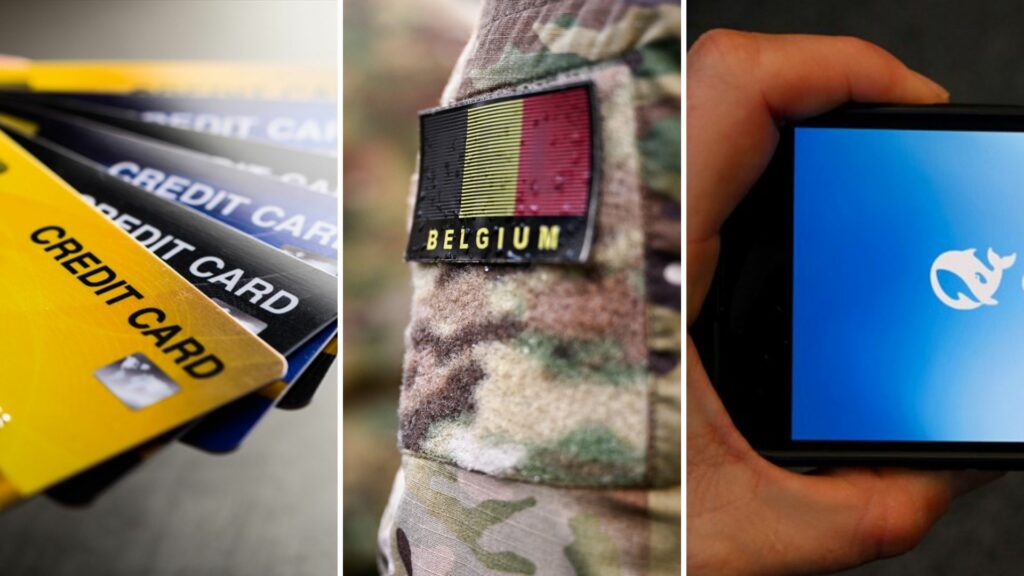
People working for the Federal Government are no longer allowed to use applications from the AI system DeepSeek – considered the Chinese equivalent of the American ChatGPT – on their work devices. Privacy concerns are being raised in many countries.

DeepSeek app logo displayed on a mobile phone. Credit: Belga / Nicolas Tucat / AFP
The decision to ban the Chinese model in the Federal Government followed an analysis by the Centre for Cybersecurity. "Banning the use of this system is a matter of vigilance. We guarantee that our government agencies are a safe, secure, and exemplary environment."
The Federal Government includes all government services, autonomous public companies, administrative public institutions, the Public Prosecution Service, the Ministry of Defence, and the federal police. The ban applies to staff's service equipment, "whose subscription, usage, or purchase costs are partially or fully covered by the government."
Just two operating nuclear reactors in Belgium
Belgium will have two operating nuclear reactors as of 1 December, after the Doel 2 reactor was permanently shut down on Sunday evening after 50 years.
Doel 2 is the fifth Belgian reactor to be closed, following the previous shutdowns of Doel 3, Tihange 2, Doel 1, and Tihange 1. Doel 4 and Tihange 3 will be allowed to operate for ten more years, until 2035.
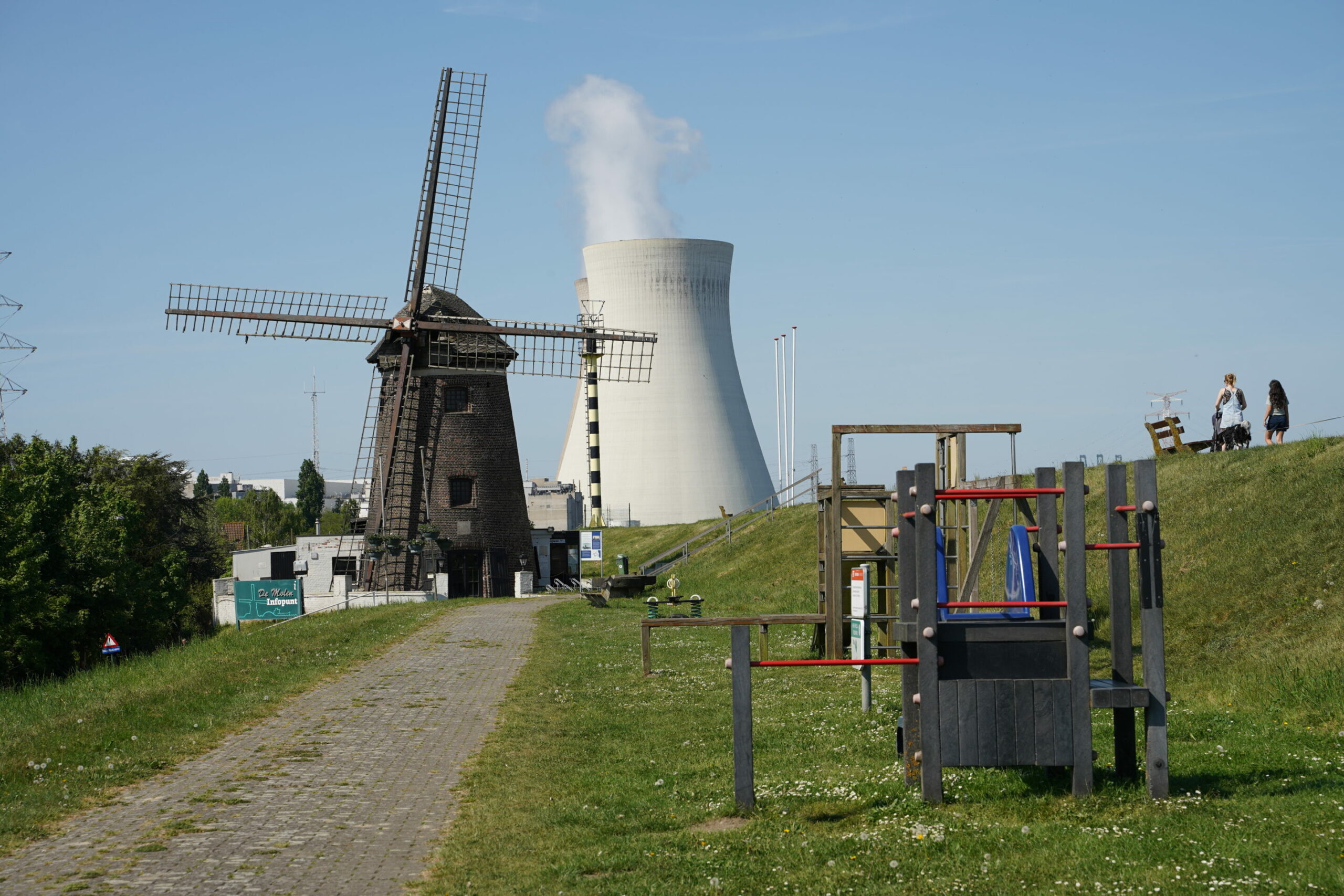
Iconic windmill in front of the Doel Nuclear Power Plant. Credit: The Brussels Times/ Vicente Torre
Doel 2 is one of the smaller reactors in Belgium, with a capacity of 445 megawatts. The power plant on the banks of the Scheldt River officially began generating electricity on 1 December 1975.
Once the reactor is shut down and disconnected from the high-voltage grid, the shutdown phase begins. This is a preparation for the actual dismantling of Doel 2, which will not begin until 2029. Demolition is scheduled between 2039 and 2040.
Army to guard more nuclear sites
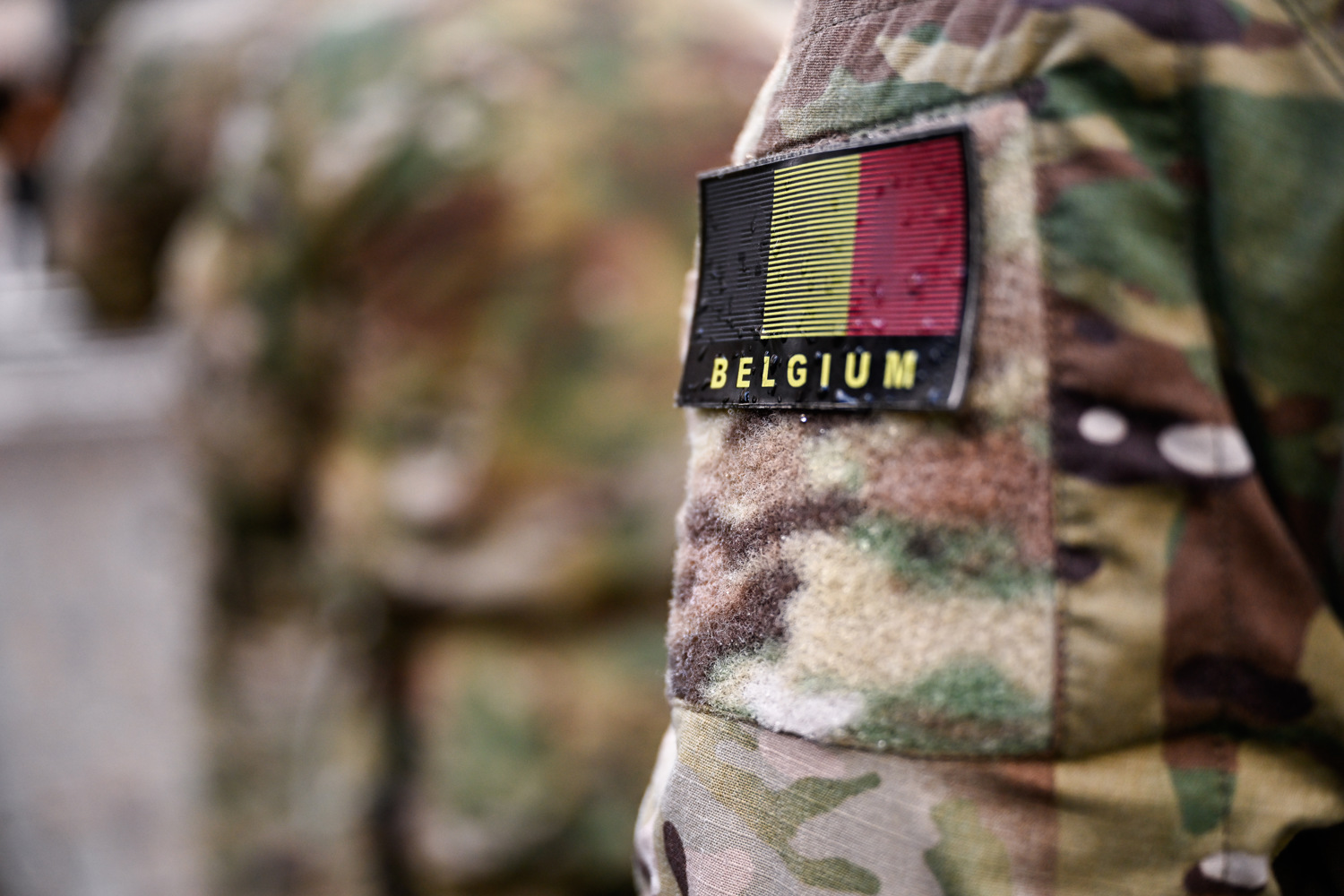
The Ministry of Defence has been supporting the federal police with military personnel, equipment, and infrastructure to secure the Doel and Tihange nuclear power plants since July.
From now on, this support will be extended to the nuclear research centre SCK CEN, the Joint Research Centre, and the company responsible for the processing and storage of radioactive waste Belgoprocess.
Credit: Belga
In June, Defence Minister Theo Francken (N-VA) and Interior Minister Bernard Quintin (MR) signed a protocol agreement on the assistance, which stipulates that the federal police remain responsible for leading operations. The purpose of the military support is to free up officers for other tasks.
From 1 April 2026, military personnel will also help secure the National Institute for Radioelements.
Cheaper consumer credit
Several statutory maximum rates for consumer credit will decrease by one percentage point on 1 December, announced the Economy Ministry. This credit concerns the maximum annual percentage rates that may be charged for instalment loans and sales, and for lease financing above €5,000.

Credit: Freepik
The new maximums apply to all new credit agreements concluded from 1 December 2025, and current contracts with a variable debit interest rate. They therefore do not apply to current fixed-rate contracts.
The maximum percentage charges for credit facilities – credit cards and the option to overdraw – will not change.
