
Belgium has expressed frustration over being unheard regarding the EU proposal to use frozen Russian state assets to fund Ukraine’s financial needs.
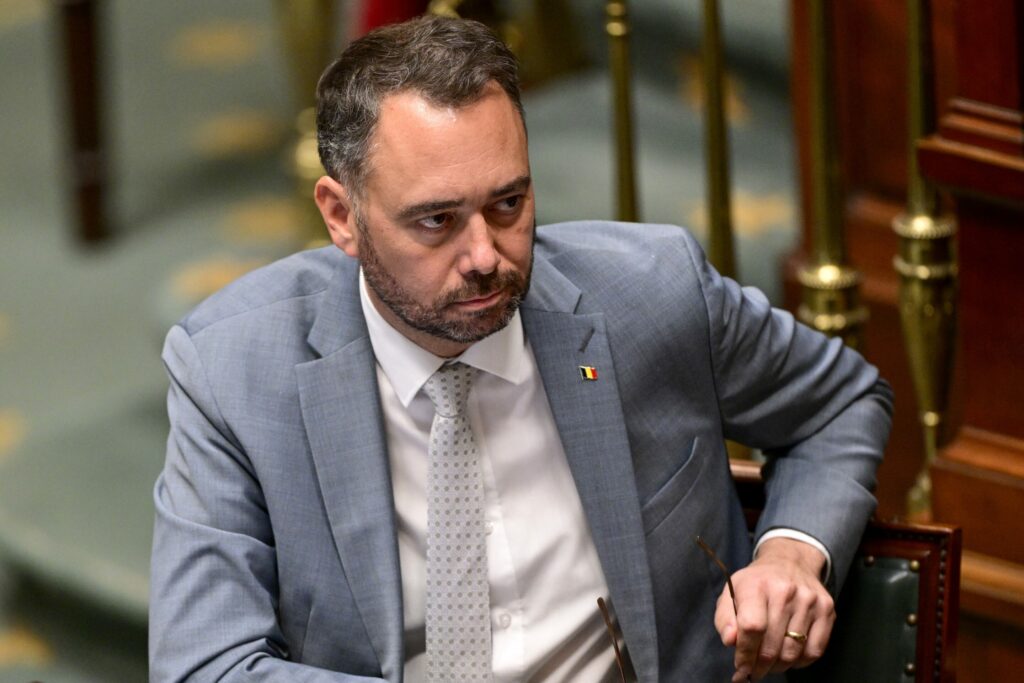
Foreign Minister Maxime Prévot said the draft text, set to be presented by the European Commission on Wednesday, does not adequately address Belgium’s concerns.
Belgium supports addressing Ukraine’s financial needs but considers leveraging frozen Russian assets the "worst option" due to its risks and lack of precedent.
Most of these assets are held in Belgium, prompting worries over potential financial and legal consequences. Prime Minister Bart De Wever stated last week in a letter that Belgium remains unconvinced by assurances.
Prévot reiterated Belgium’s concerns, describing them as legitimate and expressing frustration at being ignored. He criticised the Commission’s plan for failing to provide an acceptable solution.
"‘We need guarantees and risk sharing, and to go beyond Euroclear and Belgium," Prévot reiterated to the international press. "Our concerns are legitimate and reasonable. It is not acceptable to use this money and leave us alone to face the financial risk."
The Foreign Minister is calling for an alternative in the form of a European loan on the markets. "This is a well-known and proven option with predictable parameters," he stressed.
Prévot insisted that Belgium fully supports the need to provide financial assistance to Ukraine.
"We do not want to upset our partners or Ukraine; we are simply seeking to avoid potentially disastrous consequences for a Member State that is being asked to show solidarity without offering anything in return."
Last week, Prime Minister Bart De Wever sent a letter to European Commission President Ursula von der Leyen in which he described as "fundamentally flawed" the Commission's plan to provide €140 billion in financial support to Ukraine over two years.
Prévot is attending a meeting of NATO foreign ministers in Brussels. The absence of US Secretary of State Marco Rubio, replaced by Deputy Secretary of State Christopher Landau, raises questions as Washington attempts to push forward its peace plan between Moscow and Kyiv, despite widespread international criticism.
