
Good afternoon!
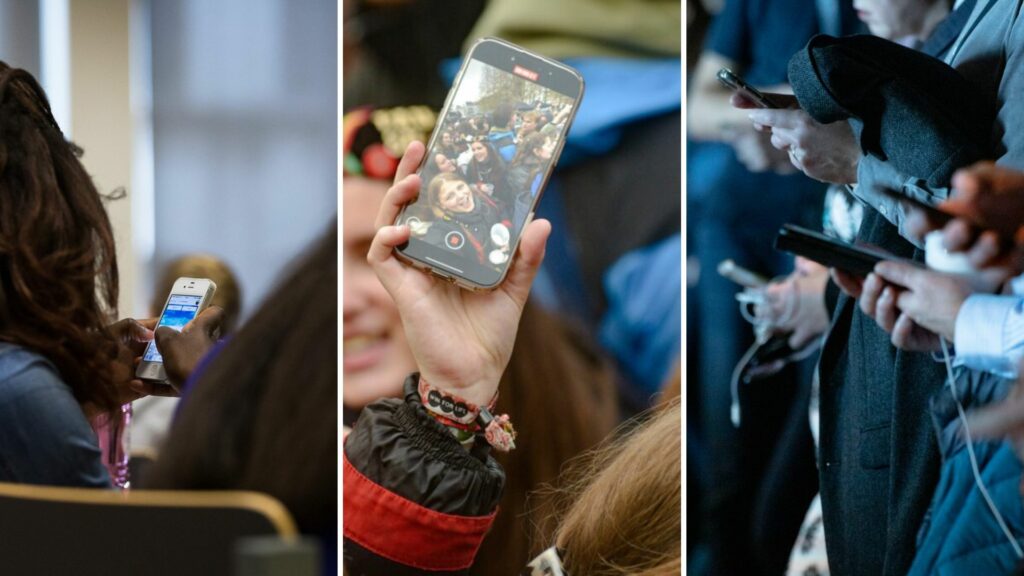
As we report today, there's a serious conversation about to start in Belgium about limiting young people's access to social media. The argument about social media and the harmful versus beneficial effects (and there are beneficial effects) is not new.
What's new is that governments and societies around the world are coming to the conclusion that there is enough research and data out there, as well as real case studies, to convince them that something needs to be done and, more importantly, that there are practical measures they can take.
Australia is leading the charge on this, and it will be important to learn from its example. The complication, of course, is that just as it has taken us a long time to see what the consequences of a generation glued to social media are, it will equally likely take as long to see if there are real benefits to a different approach.
As important for me as a journalist, if not more in many ways, is teaching young people how to understand what they are seeing on their feeds, how to think critically about content, how to understand what are facts and what are not, how algorithms are feeding them certain material, how to exert self-control and develop resilience.
I strongly believe that classes about journalism, media, truth, facts, context and the importance of exposing oneself to different opinions outside your social media feed should be mandatory in all schools from an early age.
Understanding algorithms and the way they are specifically designed to give users hits of dopamine and adrenaline to keep them coming back for more, is as important as knowing how to add or subtract or what the capital of Turkmenistan is (it's Ashgabat, by the way).
So many of our current issues with lack of trust in governments, attacks on democracy, polarisation of societies and extremism stem from generations of people who no longer understand what journalism is, what truth is, how to spot conspiracy theories and don't even agree on history.
This, above all else, should also be part of any national conversation about technology, social media and young people. It is often said that children are the future – but I can't help fearing for that future, and for the future of journalism, if current generations don't even agree on what facts are. We must start to change this now.
Have a good weekend.
Belgium in Brief is a free daily roundup of the top stories to get you through your coffee break conversations. To receive it straight to your inbox every day, sign up below:
1. 13, 15 or 16? Belgium to consider minimum age for social media
"Our children are being poisoned right before our eyes. Brain rot. Dangerous challenges on TikTok. Toxic ideas." Read more.
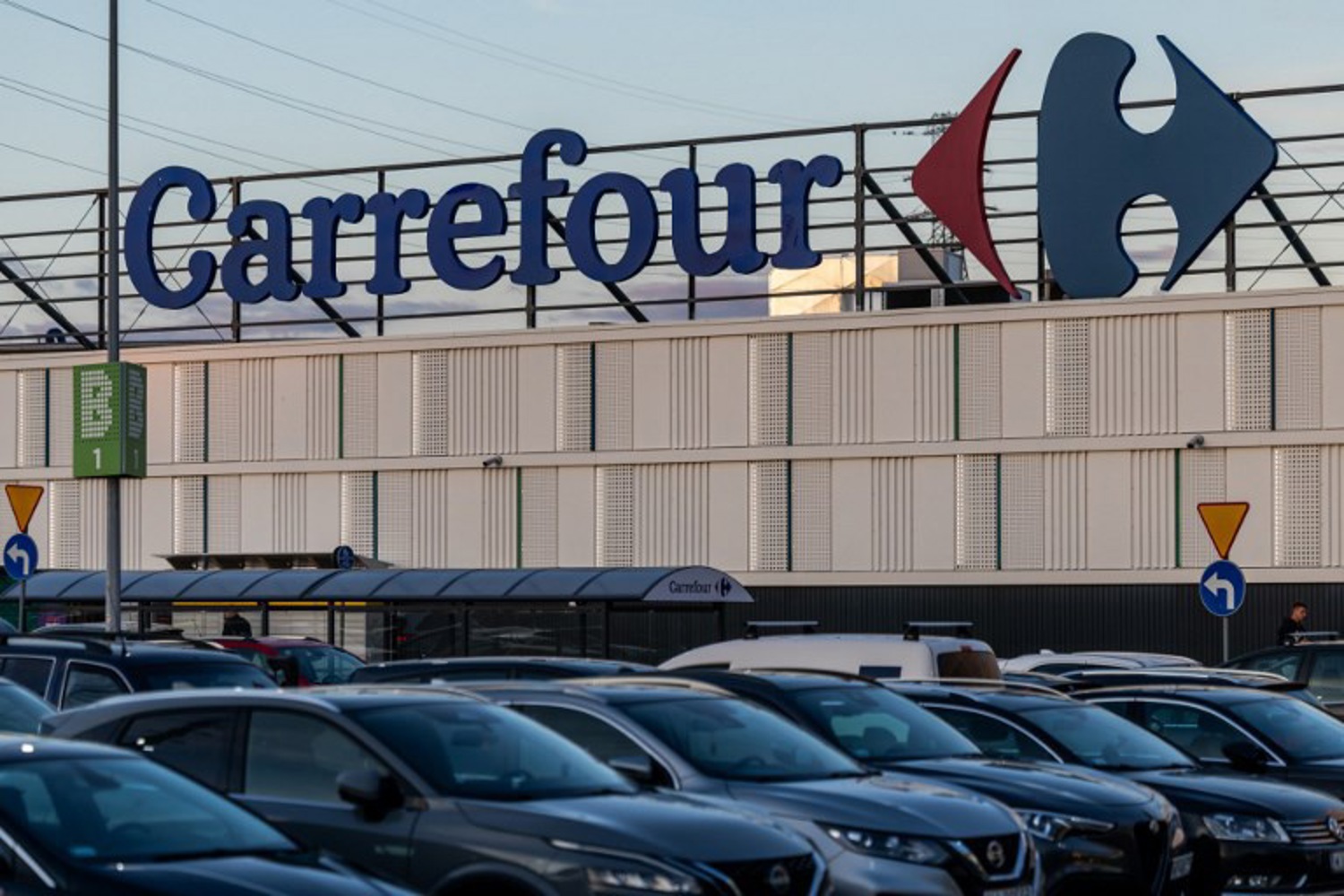
2. Agreement reached at Carrefour: shops to open on Sunday morning
From January, Carrefour stores will also open on Sunday mornings from 8 a.m. to 12 p.m., under an agreement between management and worker representatives. Read more.
3. Queen Mathilde visits Brussels police unit as sexual assaults figures soar
Between January and July 2025, federal police recorded between 142 and 225 sexual offences each month, a pace that has not slowed for five years. Read more.
4. Who is Sinterklaas, and where can you see him on 6 December?
Children across Belgium will wake up to presents and sweet treats on Saturday morning – but only if they have been well-behaved this year. Read more.
5. Israel to compete in Eurovision 2026 – will Belgium boycott?
Several countries have withdrawn from next year's Eurovision Song Contest following the announcement of Israel's participation on Thursday. Read more.
6. Christmas tree thefts on the rise – Belgian producers call for action
"We're currently at roughly €2,000 in losses, but the season isn't over yet," one local producer said. Read more.
7. Is this really gas-vidanya to Russian fossil fuels?
The EU will ban Russian gas imports. But there is devil in the detail of the agreement that means this might not really be the end. Read more.
