
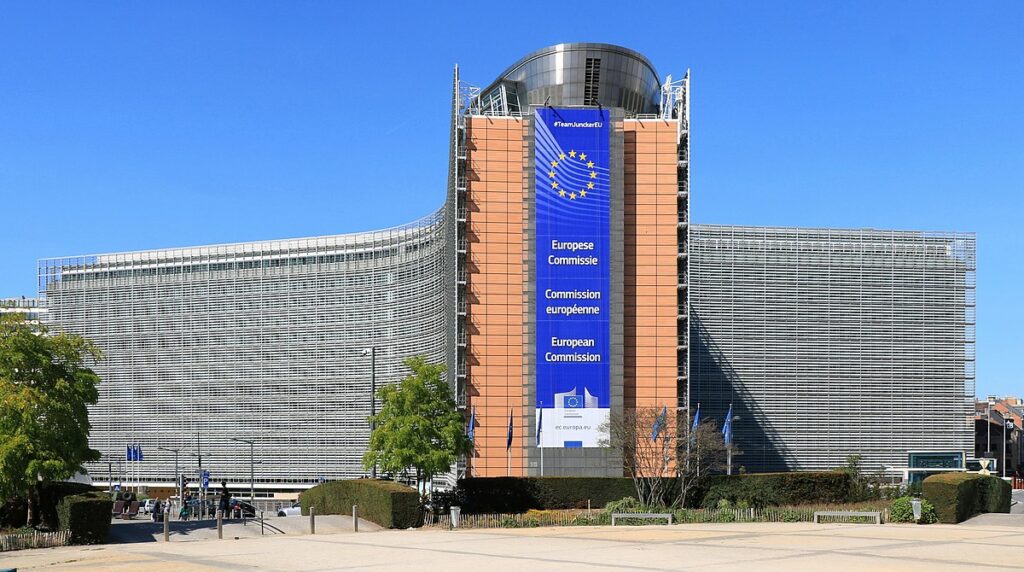
The European Commission has unveiled a plan to improve the interconnection of electricity networks across EU Member States in order to enhance stability and reduce energy costs.
EU Member States had agreed in 2014 to increase the interconnectivity of their electricity networks to 15% by 2030. However, many countries are not on track to meet this target and continue to rely heavily on imported fossil fuels, thereby exposing the EU to price volatility and geopolitical risks.
The Commission aims to accelerate the granting of permits for electricity projects and ensure a fairer distribution of costs for cross-border infrastructure, such as offshore projects in the North Sea. Energy Commissioner Dan Jorgensen highlighted that transport projects currently take an average of ten years to implement, half of which is consumed by the permit process. “This is far too long,” he said.
As part of its proposal, the Commission suggests simplifying the permit process by introducing a European framework. Projects with minimal environmental impact, such as wind turbine upgrades or the renovation of existing networks, may be exempted from certain environmental studies.
The Commission has identified critical bottlenecks in the electricity grid and prioritised eight “energy highways” for improvement, including better interconnection with Eastern Europe and the Iberian Peninsula. A major power outage in Spain and Portugal in April highlighted the urgent need for action, said Commission Vice-President Teresa Ribera. “We must do everything possible to prevent such incidents in the future,” she added.
By 2040, an estimated €1,200 billion in new investments will be required to modernise the EU’s electricity networks, according to the Commission. Improved interconnectivity could deliver annual savings of €40 billion.
To boost resources, the Commission proposes hiking its energy allocation to €30 billion, a sixfold increase, in the next multiannual budgetary phase. When asked about the extra funding required, Ribera and Jorgensen did not provide specific answers. However, Ribera noted that private investors must also be willing to contribute.
The European Parliament and Member States will now review the proposal.
