
Between 15% and 20% of adults in French-speaking Belgium reportedly have low literacy, numeracy, or writing skills, according to the cabinet of the Minister-President of the Wallonia-Brussels Federation.
This issue, widely underestimated, has a direct impact on access to rights, employment, health, navigating administrative processes, and civic participation, the cabinet warns.
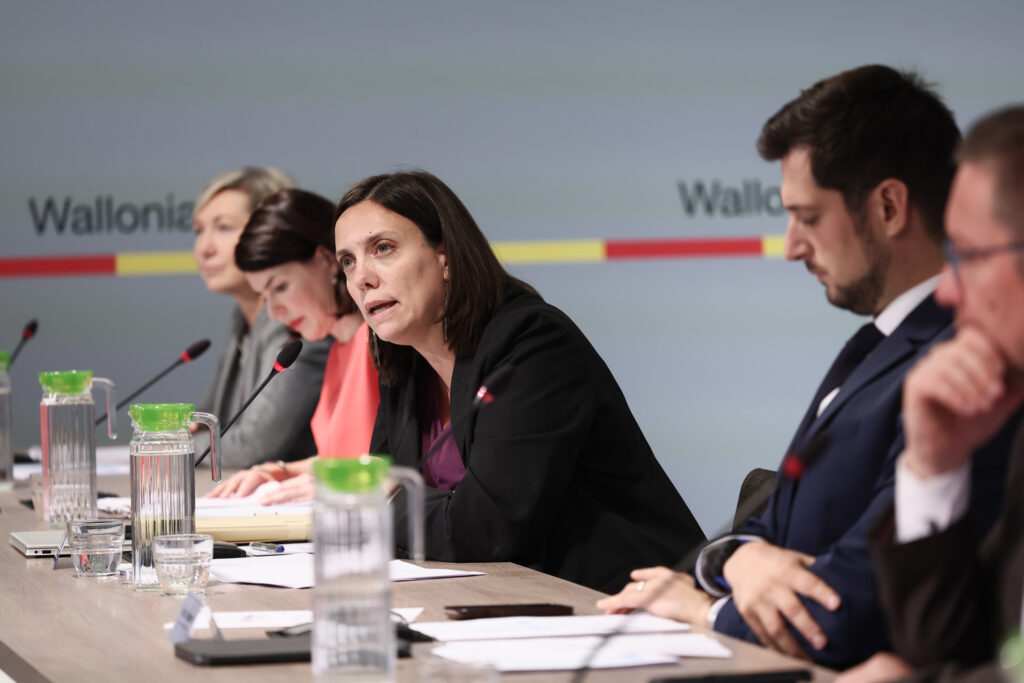
On Tuesday, over 130 literacy stakeholders gathered in Brussels to mark the 20th anniversary of the Steering Committee for Adult Literacy. This committee coordinates literacy programmes across Wallonia, the Wallonia-Brussels Federation, and the French-speaking Brussels Community Commission (Cocof).
A Ministerial Conference on adult literacy was also launched in 2005.
During Tuesday's event, politicians, researchers, administrators, and literacy providers assessed the situation, shared experiences, and developed strategies to address what has been described as a “major societal challenge.”
For affected individuals, tasks like reading school letters, understanding emails from public services, filling out forms, or following professional instructions can become significant obstacles. Many avoid these challenges, remain silent, or give up on certain processes, leading to isolation and the loss of rights.
Illiteracy affects not just newly arrived individuals in Belgium, but also adults educated within the Wallonia-Brussels Federation who have not acquired sufficient basic skills.
The phenomenon is deeply intertwined with social inequalities, economic insecurity, and educational backgrounds, the Minister-President’s cabinet explained.
Participants at Tuesday’s event identified priorities, including better understanding the needs of people with literacy challenges, tailoring training offerings, and securing stable funding to ensure accessible adult literacy programmes.
They also called for equipping public services and employers to identify and support individuals with literacy difficulties.
Simplifying and clarifying the literacy landscape is essential to strengthen connections between programmes and improve learners’ educational journeys, participants noted.
Maintaining collaboration among the country’s different governing entities is seen as vital to ensuring a cohesive, comprehensible, and ambitious national literacy strategy.
The next step falls to relevant ministers to outline the actions necessary for the coming years, stakeholders concluded.
