
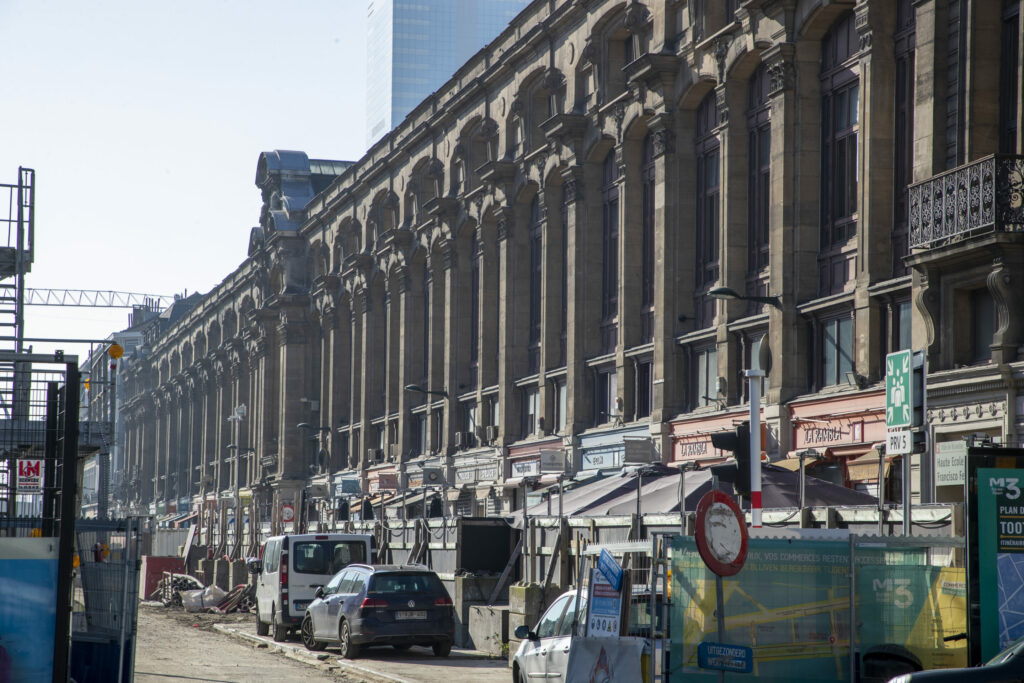
As Brussels approaches 2026, the Metro Line 3 project appears to be all but impossible to complete.
A year marked by legal setbacks, damning audits and soaring costs – added to a lack of regional government – has turned the long-delayed project into one of the most contentious infrastructure sagas in the capital's recent history.
The decisive moment came in late 2025, when the Council of State suspended the dismantling permit for the Palais du Midi, a key step required to continue tunnelling work in the city centre.
The court also overturned an earlier decision to dismiss an application to protect the building as heritage by the regional administration.
The damning report
Well before the court decision, serious concerns had been raised about how Metro Line 3 was conceived and managed.
Earlier in the year, Belgium's National Audit Office published a highly critical report on the project, identifying what it described as fundamental errors.
Among them were cost estimates that proved dramatically too low and the absence of a comprehensive soil study. That omission had major consequences when tunnelling began beneath the Palais du Midi.
The subsoil there turned out to be too unstable to excavate safely, a risk that could have been identified earlier.
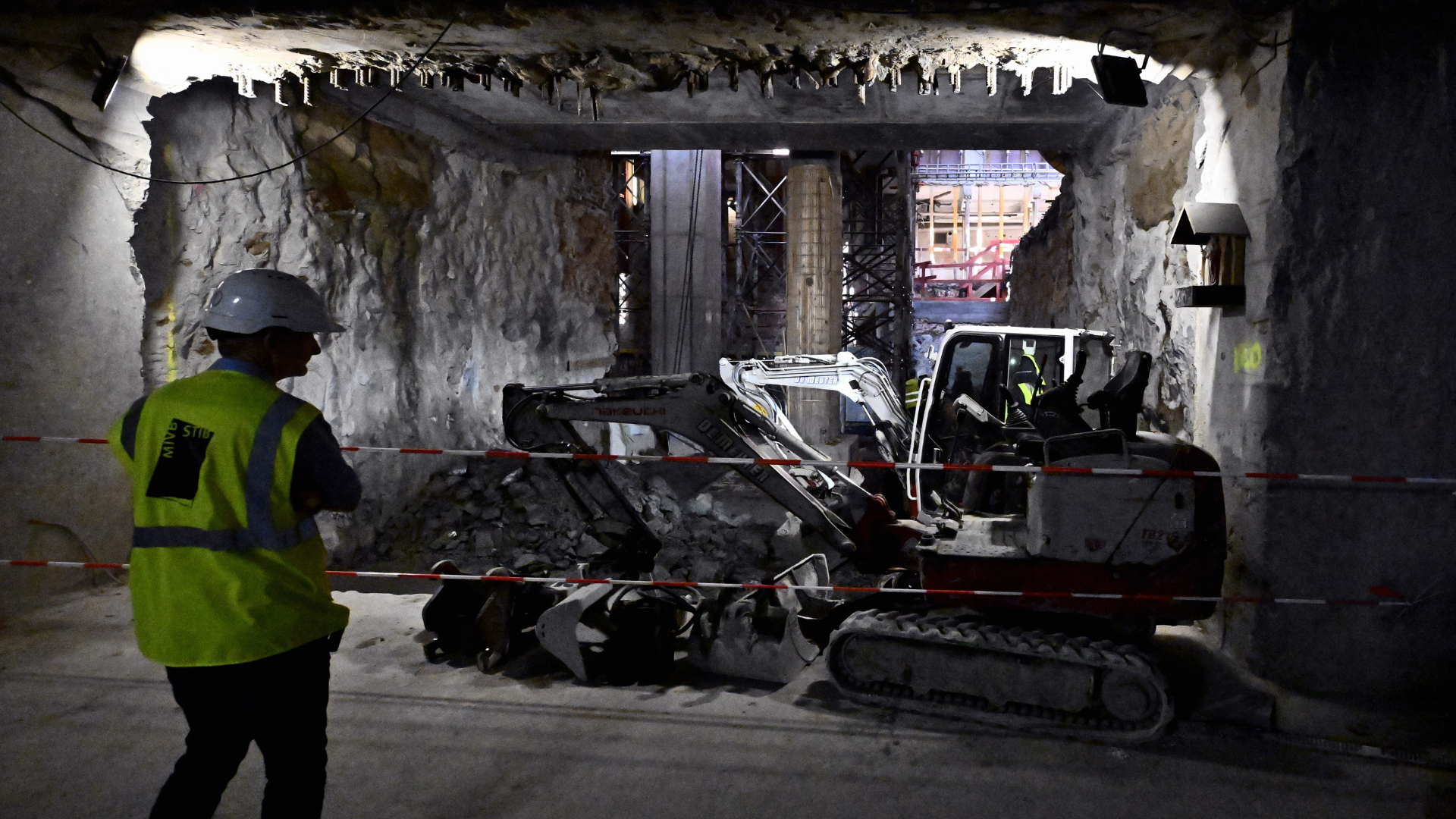
Image taken during a visit to the worksite of Metro 3 in 2024. Credit: Belga
According to the audit, no proper examination was carried out because access to the building's cellars was not sought, reportedly because they were rented out.
Even more strikingly, archives held by the City of Brussels, which contained valuable information on the building's foundations, were not consulted.
These oversights allowed the contractor involved to seek additional compensation through the courts and to obtain it, further inflating the project's cost.
Staggering errors
The Court of Audit also highlighted the existence of an older underground connection that could have been reused and linked to the new Toots Thielemans station.
That option, it noted, would have been simpler and less risky. However, permits had already been granted for construction along that route, making it unusable without extensive expropriations.
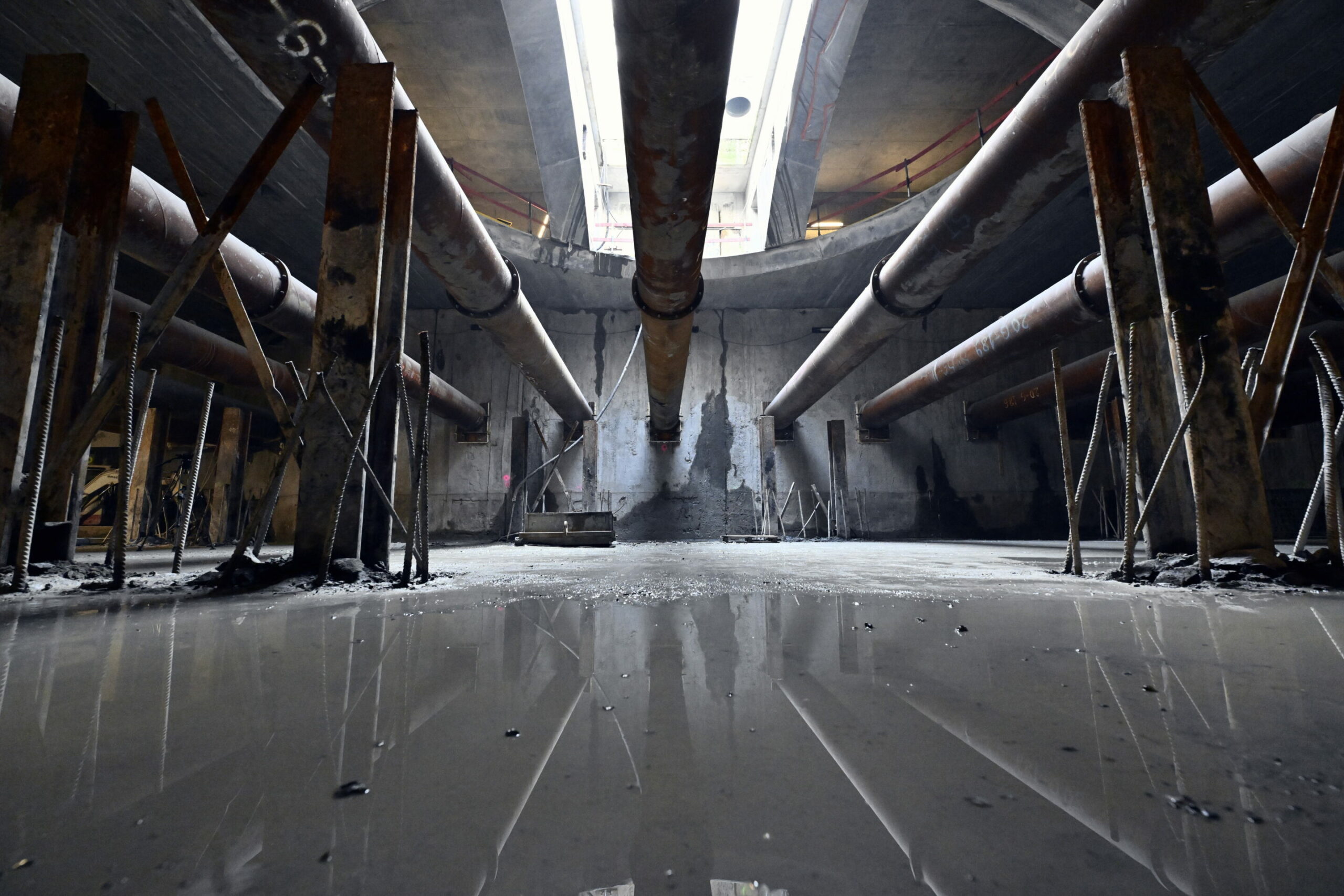
A visit to the Metro 3 worksite and Toots Thielemans metro station of STIB in 2024. Credit: Belga/Eric Lalmand
The report pointed to 'political haste' as a central cause. A design office was given just four months to complete work that normally requires eight.
The rush, auditors concluded, stemmed from the regional Brussels Government's desire to lock in the project before the 2019 elections, effectively forcing the next administration to proceed.
By 2025, Metro Line 3's projected cost had risen to nearly €4.5 billion, around €2 billion more than estimated just two years earlier.
Stalingrad in limbo
According to STIB, demolishing most of the Palais du Midi, while preserving its façade, was the only viable option to build the required tunnel.
The regional administration quickly rejected a request to protect the building and issued a demolition permit.
That decision was challenged by three associations, whose appeal has now been upheld by the Council of State.
The ruling raises the prospect that the Palais du Midi could still be granted protected status, a move that would make tunnelling at that location virtually impossible.
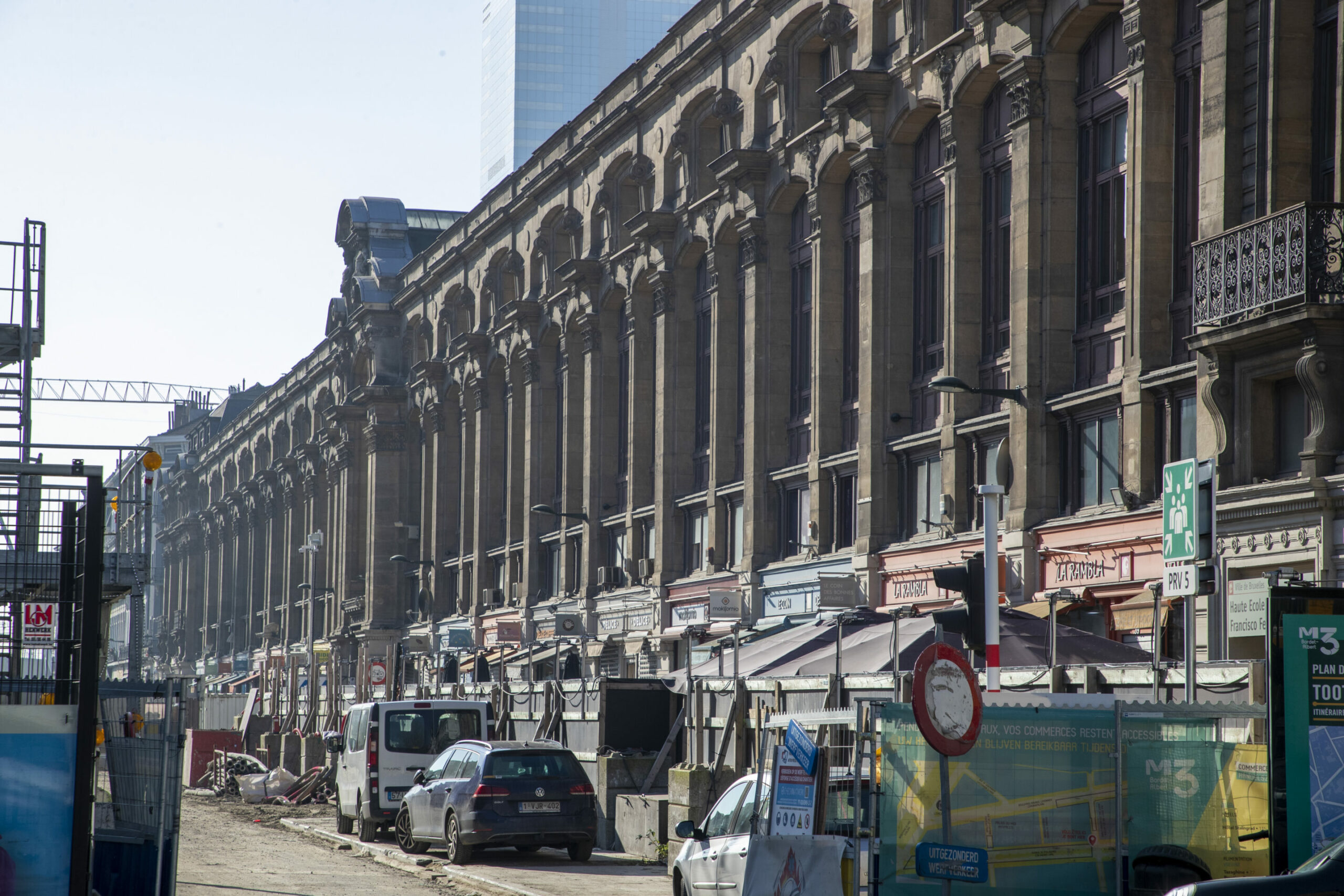
The Stalingrad district is in limbo due to the ongoing saga of the Metro 3 construction project. Credit: Belga
Work in the area has already been halted since mid-2021. The surrounding Stalingrad district has endured years of disruption, with abandoned worksites and damaged local commerce.
'Sunk-cost fallacy'
In an opinion piece published by De Standaard on Sunday, former Flemish green MEP Luckas Vander Taelen argues that the Metro 3 project has reached the end of the line.
He describes the situation as a textbook example of the "sunk-cost fallacy": the idea that money already spent is used as a justification to keep spending more, despite mounting evidence that the project is no longer viable.
According to Vander Taelen, Brussels no longer has the legal room or the financial capacity to push forward, particularly given the unstable subsoil beneath the Palais du Midi.
Continuing, he argues, would mean pouring more public money into a project with no clear prospect of success.
His conclusion is stark: the Brussels-Capital Region should acknowledge the mistakes made, apologise, abandon the project and repair the damage already done.
As 2026 approaches, Metro Line 3 remains suspended, and a Brussels Government has yet to be formed after more than 550 days.
Whether the region chooses to press on or finally draw a line under the project could be one of the most consequential political decisions of the coming year.
