
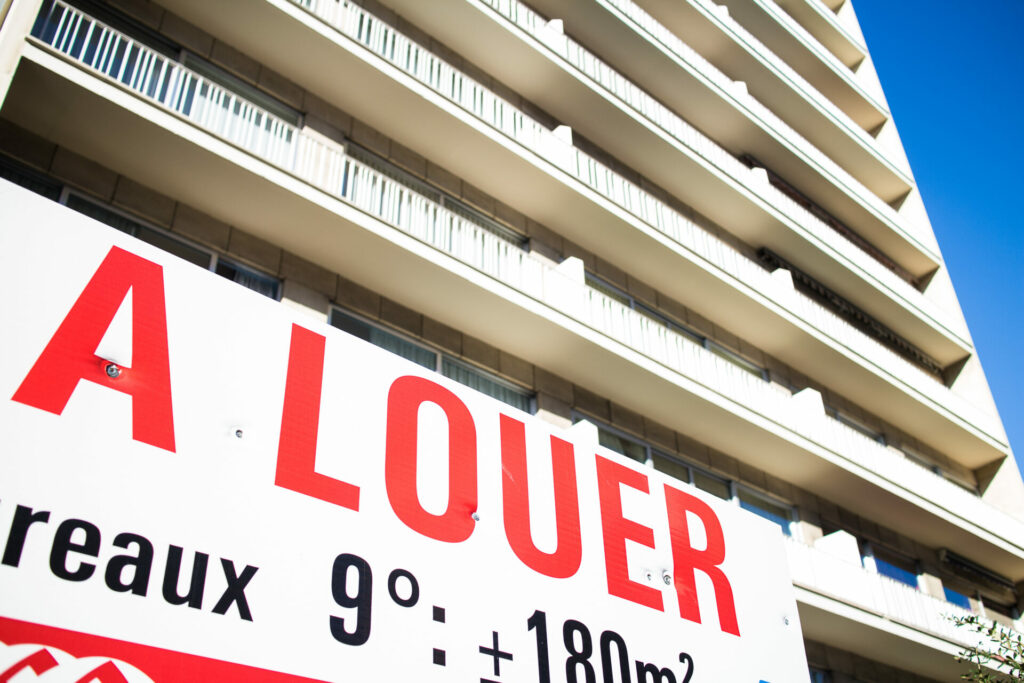
From the start of this year, all Brussels renters have a stronger claim for the right to quality housing with the region's new minimum standards.
From 2026, all landlords – whether public or private – in the Brussels-Capital Region must follow the same standards for safe and healthy housing. If not, they could face sanctions worth thousands of euros.
Every Brussels resident has the right to decent housing, according to the Brussels Region’s outgoing government, led by the socialists and greens. To do this, they made the fight against unsanitary conditions a key priority with new minimum standards for safe and healthy housing that came into force on 1 January.
It comes shortly after having brought in stricter regulations on rent prices, aimed at combatting excessive rents. Since May 2025, tenants are now able to request an independent rent review after a certain period.
Added to this are the new standards on housing quality for rented accommodation, including stricter criteria on issues related to security, healthiness and basic equipment.
Here is a rundown of the new measures which came into effect on 1 January 2026 in the Brussels-Capital Region.
Surface area
One of the measures is ensuring the renter can live in a space that is an adequate size.
From 2026, all dwellings must now have a minimum net surface area of 18m² for one occupant – and must then increase by 10m² for each additional occupant. For example, 28m² for two occupants, 38m² for three, etc.
For student accommodation, a minimum surface area of 12m² is sufficient, according to the Regional Housing Inspectorate.
Ceiling height
Bathrooms and toilets must have a ceiling height of 2.1 meters over half their floor area.
Rooms with sloping roofs must also have the same ceiling height over a floor area of 10 square meters for a living room or dining room, and 4 square meters for a kitchen or bedroom.
Measures against CO poisoning
A serious risk of CO poisoning is often found in homes which do not have up-to-date or compliant gas appliances.
Type B gas appliances, those which draw air from the room and expel it through a duct to the outside, will now be banned in bedrooms. They will only be allowed in other parts of the house if fully compliant. If not, they must be removed by the landlord.
The Brussels Region also plans to speed up the rollout of type C gas appliances.
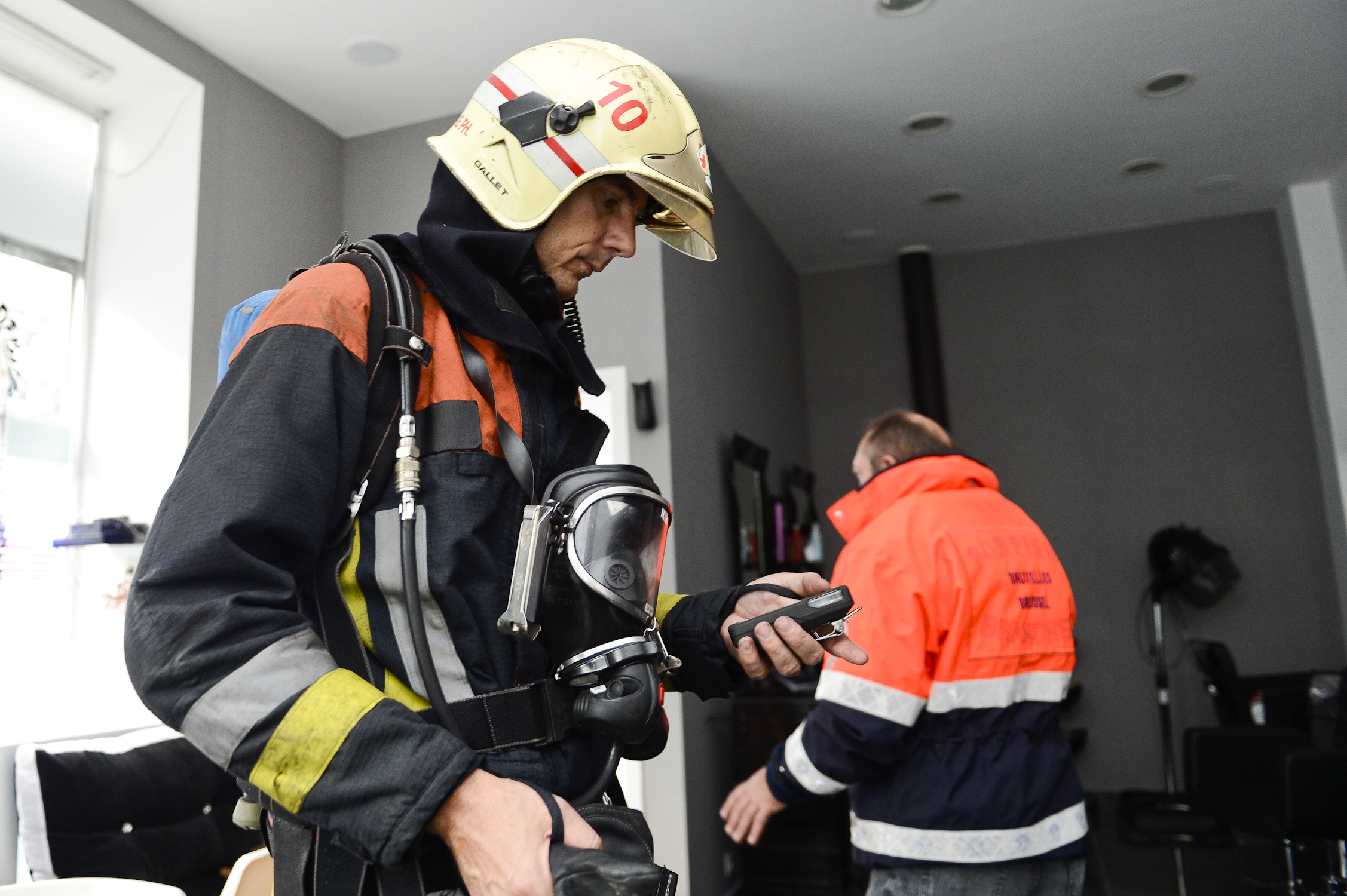
Illustrative image of a firefighter measuring CO. Credit: Belga/ Laurie Dieffembacq
Letterboxes and doorbells
There are new standards which relate to front doors.
All rented properties must now be equipped with a working doorbell. They must also have an individual letterbox which is in good condition and can be locked with a key.
Hot water and showers
The need for at least two water taps with a hot option is now a requirement in Brussels.
Rented accommodation must have at least two hot and cold water taps: the kitchen sink on the one hand and the bathtub or shower on the other. This avoids renters having to use one sink for both washing dishes and bathroom hygiene.
Moreover, the new regulations also stipulate that all rented accommodations, without exception, must also have a shower or a bathtub.
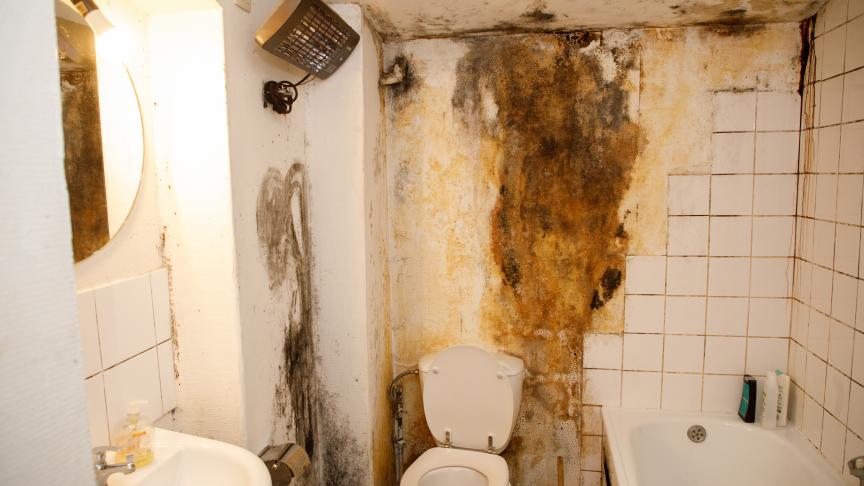
Credit: Belga
Fall protection measures
Rented accommodations must be equipped with fall protection measures.
Guardrails will be mandatory for all premises, surfaces, and areas (interior or exterior) wherever the risk of falling exceeds 1 meter. The guardrail height will depend on applicable standards and, if none exist, will be at least 1 meter.
Access areas
The corridors, doors, stairs and other access points to and within the rented accommodation must allow for rapid access and evacuation.
Shared housing
In shared housing, a shower, bathtub, or toilet may be shared by a maximum of six people. Kitchen equipment (cooktops, sink) for a maximum of eight people.
What happens with a violation?
Regional body Brussels Housing will carry out inspections of rented accommodations suspected of breaching rules under its own initiative, upon notification of non-compliance, or following a complaint.
If the property is deemed non-compliant, the landlord must carry out the necessary work to bring it up to standard within a 12-month deadline from the date of the formal notice. This may be extended in cases of circumstances beyond the landlord's control.
If the property presents imminent and serious risks to the safety and health of the occupant, it may be immediately prohibited from being rented.
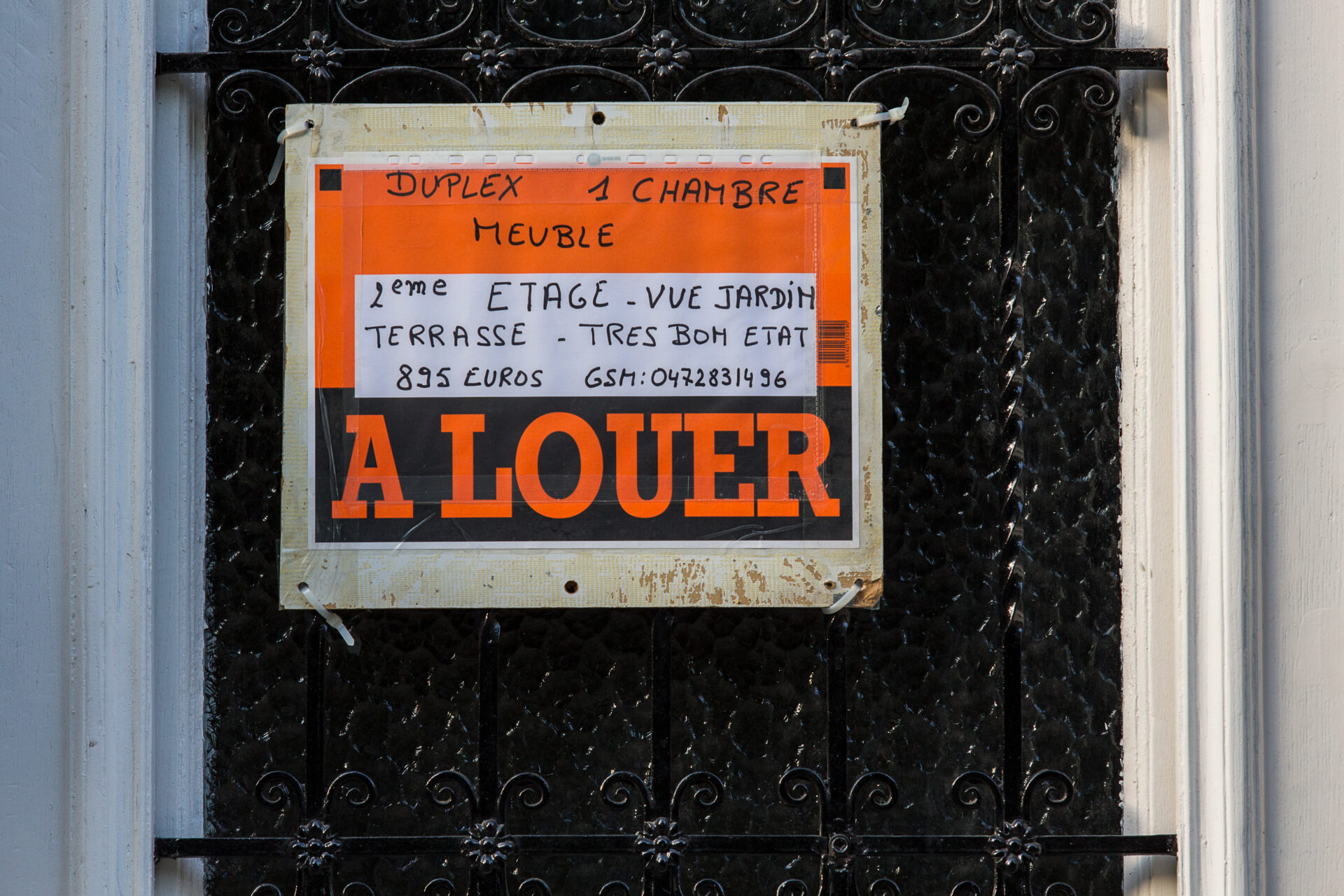
Credit: Belga/Siska Gremmelprez
An administrative fine of between €2,000 and €25,000 may be imposed on the landlord. If the landlord is compelled to rent out a property prohibited from being rented, they risk a fine of €4,000.
To have the rental ban lifted, the landlord must request a certificate of compliance, which will only be issued if the property meets all basic requirements.
Commune can also act
At the municipal level, the mayor can issue an order declaring the property unfit for habitation if they deem the problems to be related to public safety and health, which falls within their power.
Depending on the circumstances, they can order the owner to carry out repairs, have them done by the municipality or a third party (billing the owner for the work), and order the occupants to vacate the premises within a certain timeframe, or even immediately.
They can also seal the property off if the unsanitary condition of the property threatens public health or safety.
Related News
- Higher salaries, fewer sick days, more parental leave: What changes in Belgium on 1 January?
- Brussels adopts law to curb excessive rent increases - 30,000 homes affected
- Scams, rent increases and deposits: What to know as a renter in Brussels
- Changes to Brussels rental market: How will tenants be affected?
