
Good afternoon,
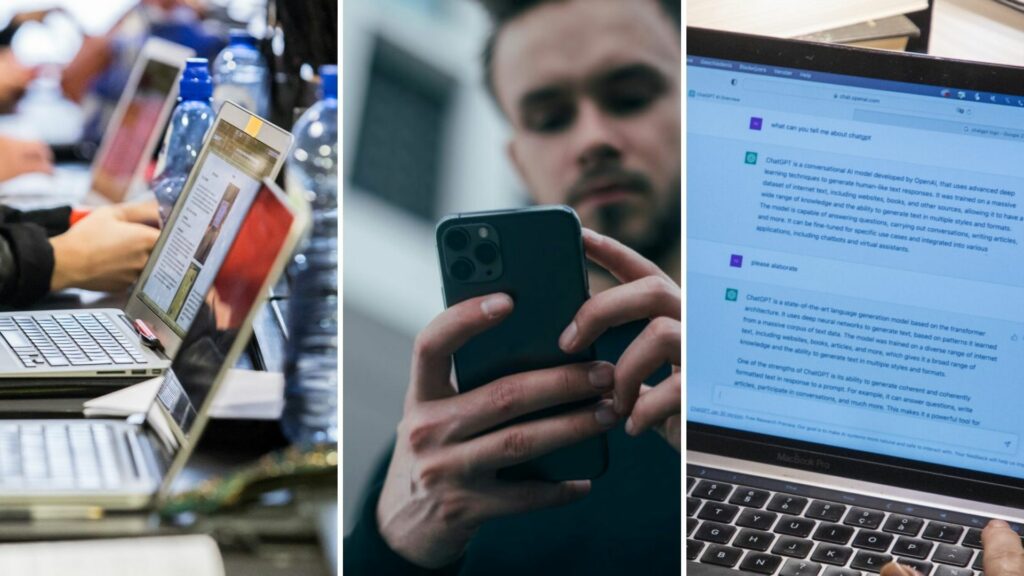
One of our main articles today looks at Belgians' trust in AI. Unsurprisingly, its use is increasing across all areas of work and life. Indeed, so is the perception that it is involved in all aspects of our existence. This is not necessarily an optimistic outlook on many fronts.
What's potentially more heartening is that there also seems to be a corresponding overwhelming majority who are increasingly concerned about the rise of AI and the corresponding risks and trust issues it brings.
People's trust in artificial intelligence is evolving alongside the rapid expansion of AI into everyday life. From navigation apps and voice assistants to healthcare and finance, AI systems increasingly influence decisions that affect individuals and society. Trust in these systems depends largely on perceptions of reliability, fairness, and transparency.
When AI performs consistently, and its purpose is clearly communicated, people are more likely to accept and rely on it. However, high-profile errors, data breaches, and concerns about surveillance or bias can quickly erode public confidence.
A major factor shaping trust is understanding. Many people interact with AI without fully knowing how it works, which can lead to unrealistic expectations or unnecessary fear. Building trust, therefore, requires not only technical improvements but also public education, clear explanations, and meaningful accountability when things go wrong. Human oversight remains essential, particularly in high-stakes contexts.
Trust in AI is especially important in news media, like The Brussels Times, for example. AI can be used to recommend stories, assist with writing, moderate comments, and support fact-checking. While these tools can improve efficiency and help journalists manage vast amounts of information, they also raise concerns about bias, accuracy, and editorial control.
Audiences are more likely to trust AI in news when media organisations are transparent about its use and ensure that human journalists retain responsibility for final content and ethical standards.
It is a major dilemma for news content providers and editorial teams going forward. And in light of that – full disclosure – almost all of what you read in this newsletter up until this point was written by AI. Could you tell? Well, that's the problem! Everything from now on is me.
News media, more than perhaps anything else, live or die on trust – more so now than ever. It's crucial that consumers understand where the stories they are reading are coming from, what their accuracy is, how they are being gathered and who is involved. People want quality now more than ever, way more than they want quantity.
There's too much information out there already, and people want to understand that there have been real editorial checks, processes and controls to weed out inaccuracies, bias, sensationalism and lies – fake news, in the truest sense of the word.
They deserve these things, particularly as most news organisations can only continue to survive by asking their consumers to pay for the content in one way or another.
In that sense, I truly believe that the job of journalists and journalism has not changed. The tools may have altered, but the purpose has not. We just need to explain more and better how we do what we do and why, so that people understand that when it comes to reporting, human intelligence is the best intelligence of all.
Belgium in Brief is a free daily roundup of the top stories to get you through your coffee break conversations. To receive it straight to your inbox every day, sign up below:
1. Computer says no? Belgians increasingly using AI, but concerns remain
"Critical thinking and awareness of the risks are extremely important." Read more.
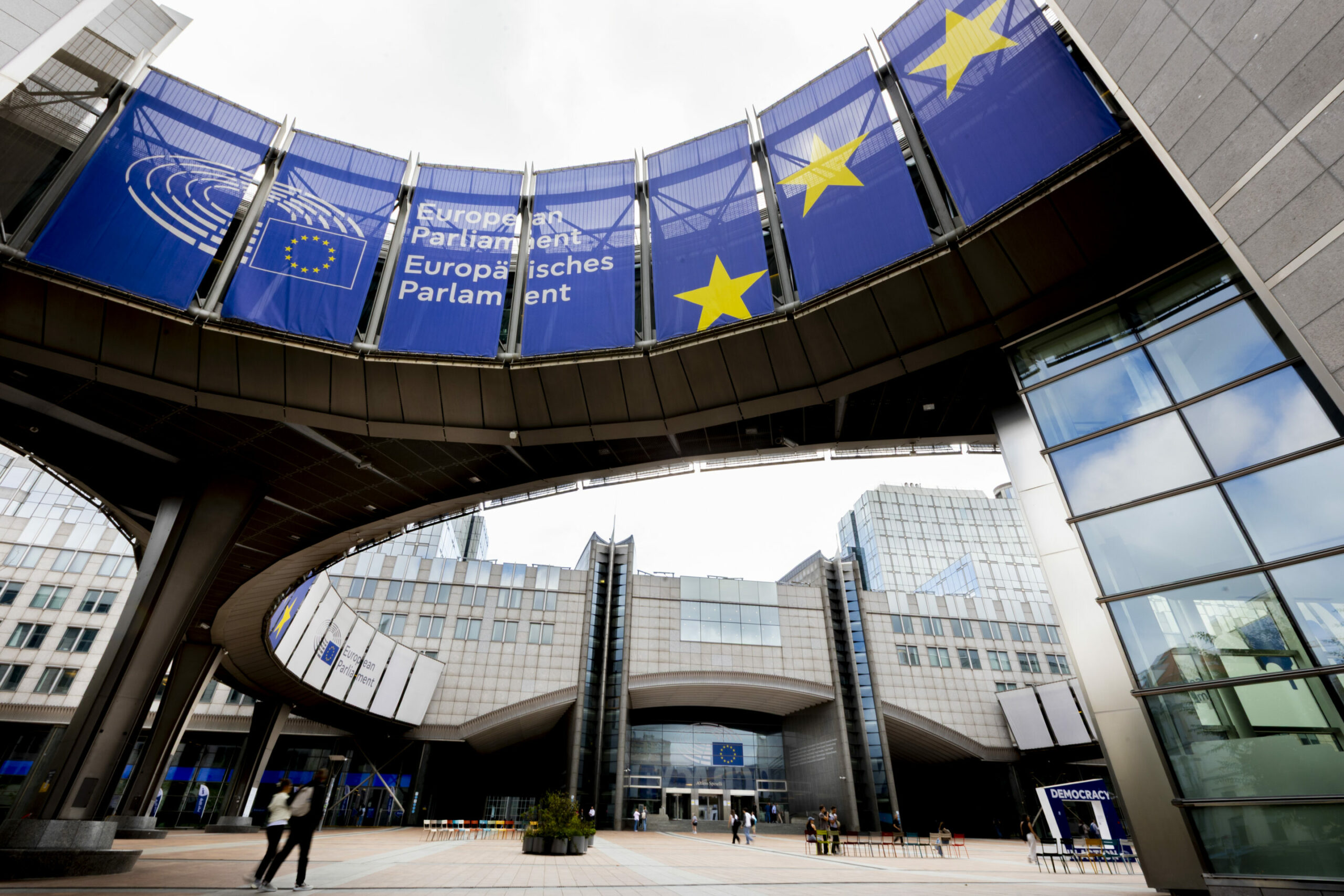
2. US tech giants allying with European far-right to strip back EU rules
Amid rising EU-US tensions, a new report has accused Big Tech of courting far-right MEPs to weaken the EU's regulatory power on AI and data. Read more.
3. Iranian exile urges decisive EU action against brutal crackdown
The EU must do more to stop the violent response against the uprising by Ayatollah Ali Khamenei’s security forces, says the National Council of Resistance of Iran. Read more.
4. Defence spending ‘mainly European and Belgian, not American’ – Belgian MP
MP Axel Weydts said the majority of Belgium’s defence investments benefit European and Belgian industries rather than American ones. Read more.
5. Two bus lines to be scrapped in Brussels
Changes to the STIB/MIVB transport network will result in the end of two bus lines across the Belgian capital. Read more.
6. Huge rise in informal talks about work resumption for long-term sick
These discussions involve employees on long-term sick leave, informally speaking with doctors about the possibility of returning to work. Read more.
7. What to do if your mobile phone is stolen in Brussels
From locking your phone remotely to securing your accounts, swift action can limit the damage and give you a sense of control. Read more.
