
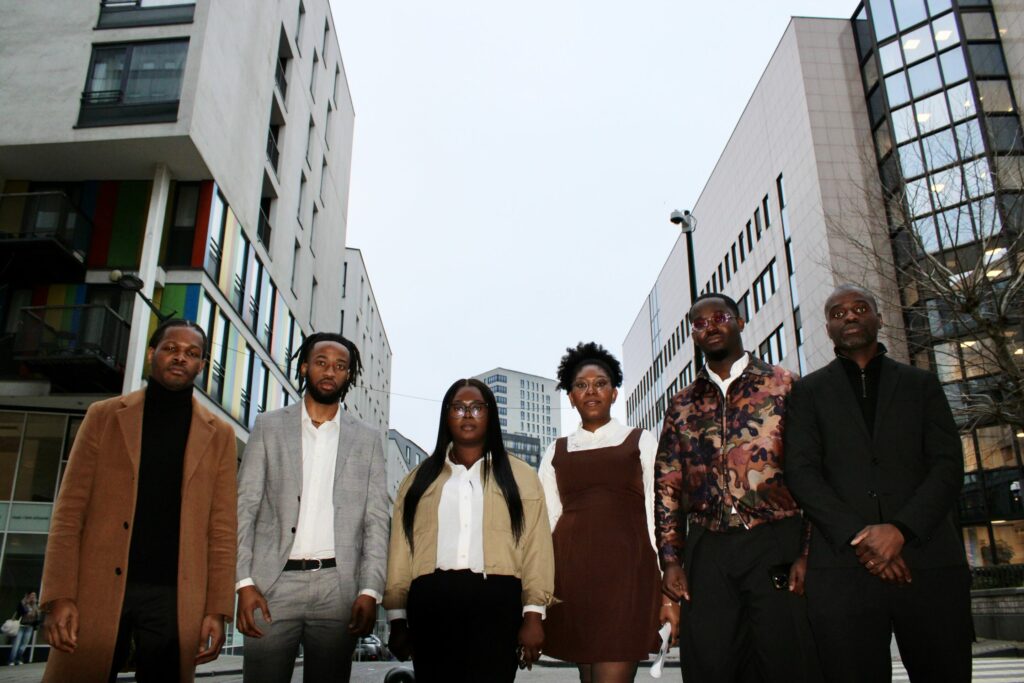
The Belgian justice system has moved a step closer to bringing the alleged culprit of the assassination of Congolese independence hero Patrice Lumumba to court, 65 years later. The family still hopes for a trial in Belgium.
"At the time, I was just a child," Yema Lumumba, Patrice Lumumba's granddaughter, told the Brussels Times after a much-awaited press conference on Tuesday afternoon.
Earlier that day, the Pre-Trial Chamber of the Brussels Court of First Instance held a procedural review hearing examining whether legal proceedings linked to Lumumba's killing could move forward.
The case concerns Étienne Davignon, a 92-year-old former European Commissioner and a senior Belgian official, who has been accused in connection with the assassination of the slain Congolese prime minister.
In 2025, Federal Prosecutor Kathleen Grosjean sought the referral of Davignon to the criminal court on charges of complicity in war crimes.
The hearing did not address Davignon's guilt. The court will act at the end of the investigation and decide whether the case can be sent to trial. That decision is expected on 17 March this year.
But Tuesday's hearing marked a new stage in the case, which has dragged on for 15 years. It was his son, François Lumumba, who filed a complaint in 2011 to have the crimes against his father prosecuted.
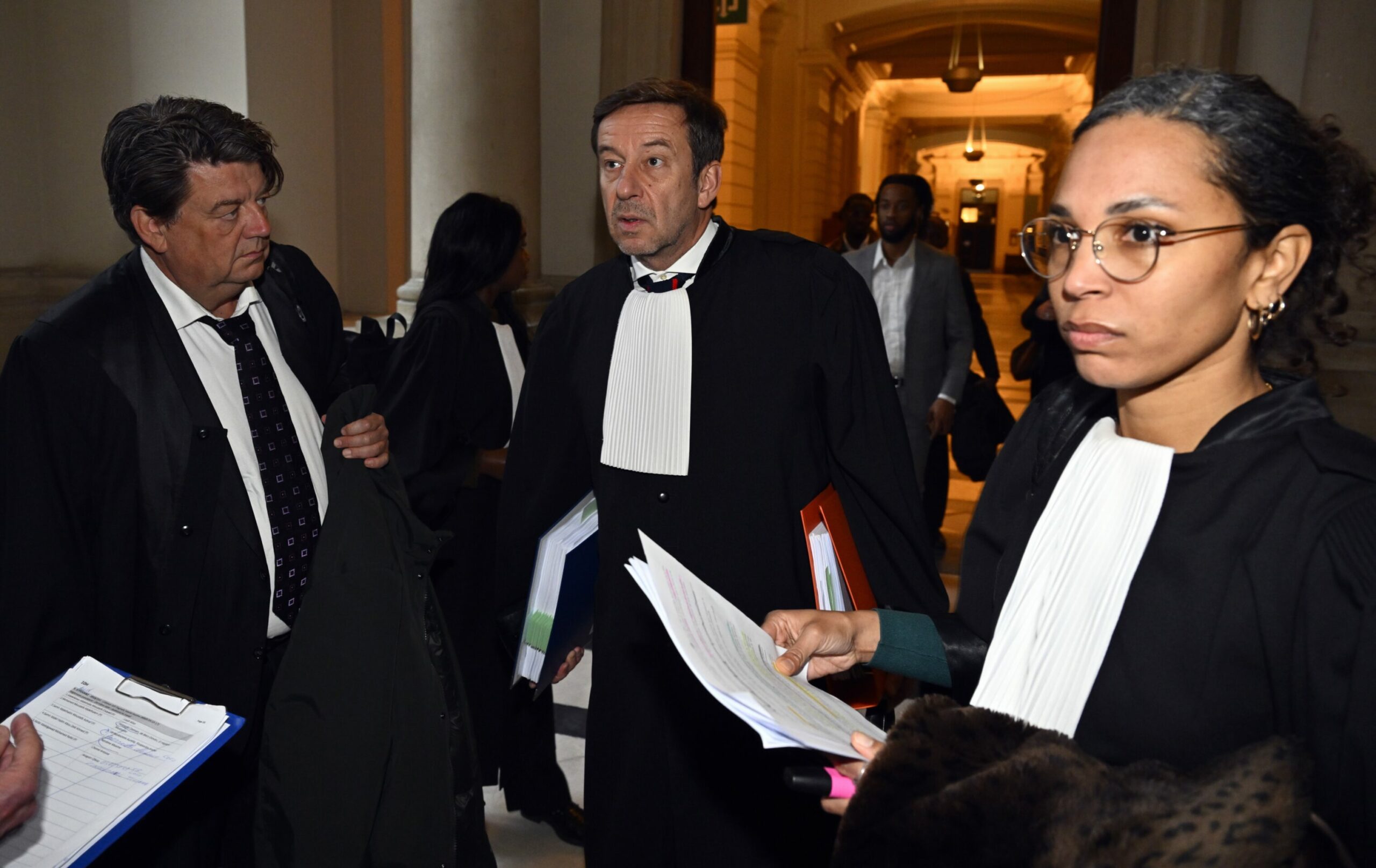
Lawyer Wolfgang Kaleck, Lawyer Christophe Marchand and Lawyer Jehosheba Bennett pictured during a session of the Brussels council chamber, in the case concerning the murder of Patrice Emery Lumumba, Tuesday 20 January 2026. Credit: Belga/Eric Lalmand
"The world was a completely different place," Yema explained. Much of the groundwork had been laid by earlier generations, first by Lumumba himself, then by his children. "They have done so much work without us even realising it for a long time."
As the family's elders grow older, she said, the responsibility has gradually shifted. "At some point, it felt like the only logical thing to say was: no matter what happens, we will keep working, we will keep fighting," she added.
"The more you grow up, the more you want to be part of it," said Richie Lumumba, another grandchild. "Not just because you are part of the family, but because you are also Congolese. It feels like a right, but also a responsibility."
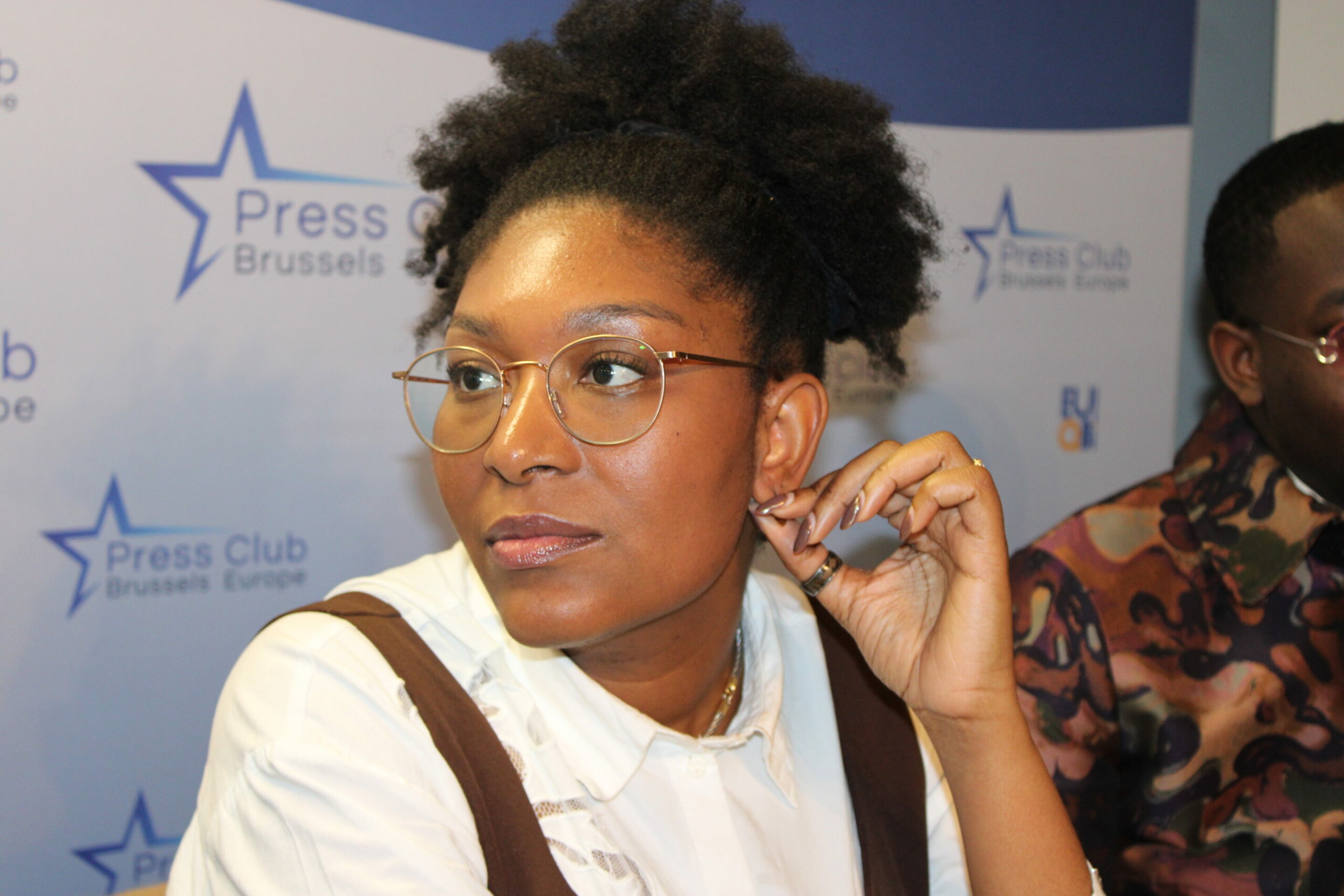
Yema Lumumba during a press conference held after the hearing on Tuesday afternoon. Credit: The Brussels Times/ Anas El Baye
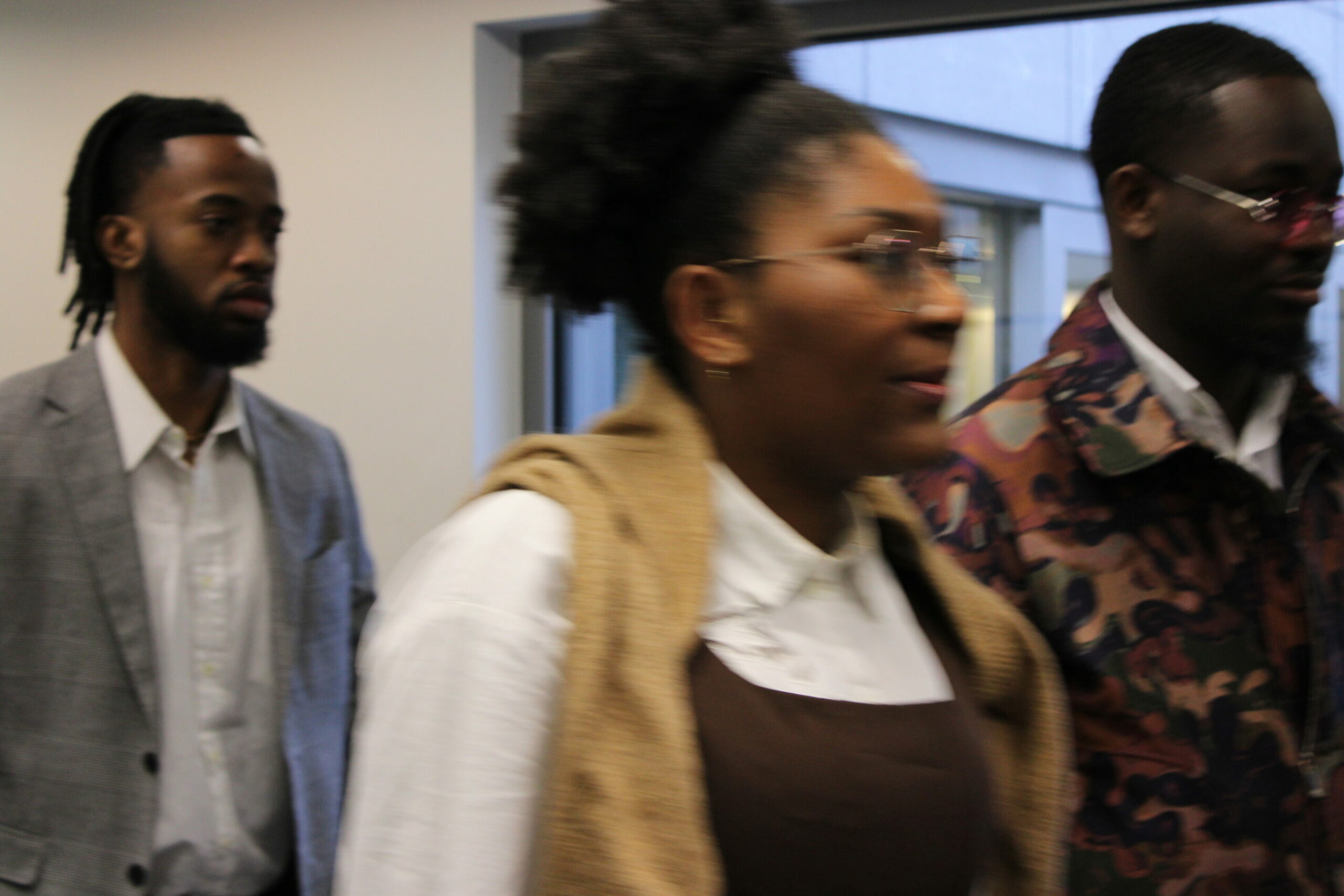
Richie, Yema and Mehdi Lumumba arriving to the press conference. Credit: The Brussels Times/ Anas El Baye.
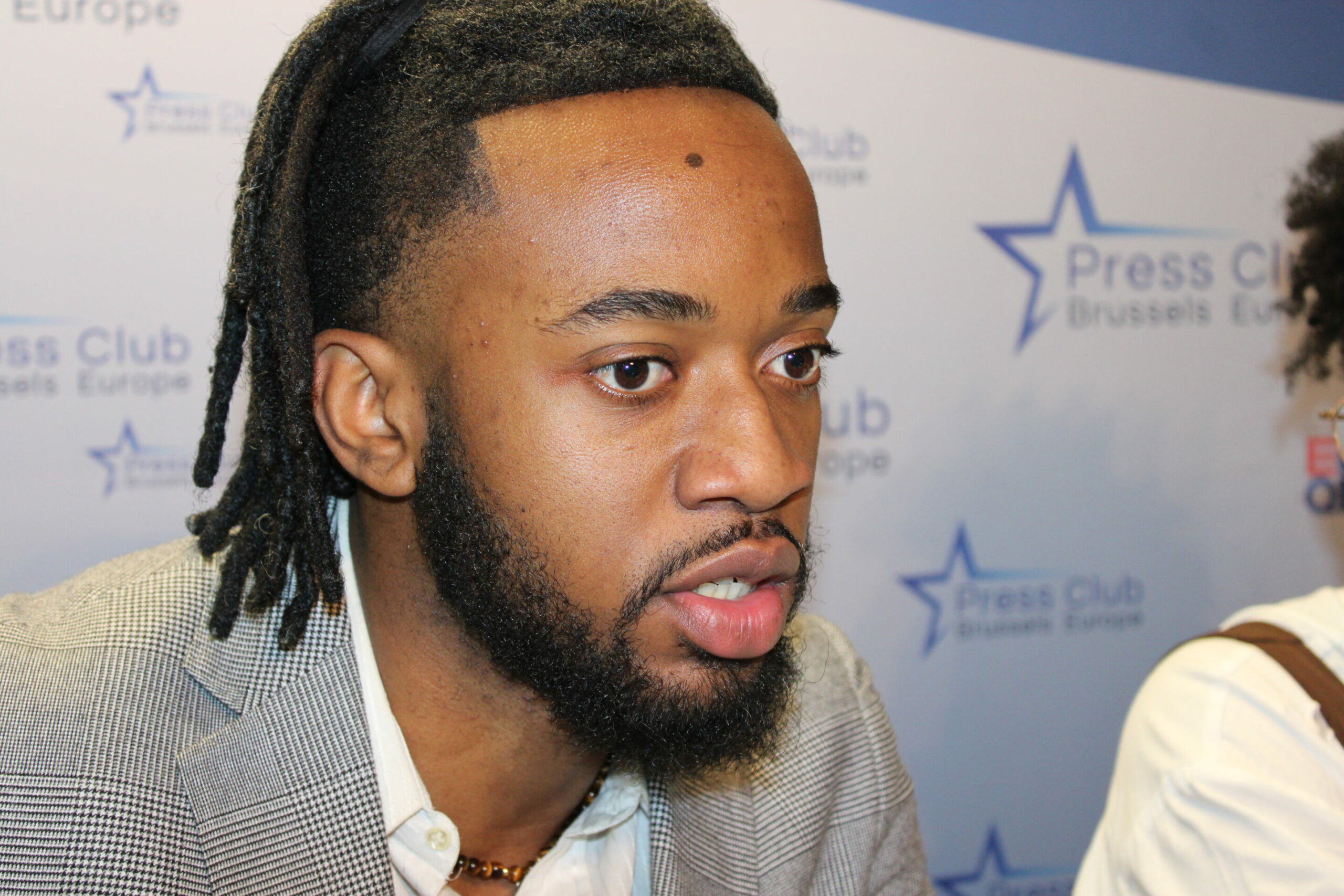
Richie Lumumba, another grandson, pictured during the press conference. Credit: The Brussels Times/ Anas El Baye
The hearing
Lumumba was assassinated by a firing squad in 1961 with the tacit backing of former colonial power Belgium. The DR Congo hero's body was then buried in a shallow grave, dug up, transported 200km, interred again, exhumed and then hacked to pieces and finally dissolved in acid.
Nearly 40 years later, in 1999, the now late Belgian police commissioner, Gerard Soete, who oversaw and participated in the destruction of the remains, publicly acknowledged his involvement.
He was still in possession of Lumumba's tooth, but admitted he had got rid of the other body parts. The tooth was returned to the family at a ceremony in Brussels in 2022.
Now, the only alleged culprit, Davignon, is accused of "unlawful detention and transfer of a civilian/prisoner of war; depriving a prisoner of war of the right to a fair and impartial trial; humiliating and degrading treatment".
The alleged offences are classified as crimes against humanity and are therefore not subject to a statute of limitations. The charges also do not include murder.
In their initial complaint, the Lumumba family identified ten individuals, including other Belgian officials said to have been more directly involved in the assassination, some of whom were present in Katanga on the night Lumumba was killed. All of those individuals have since died.
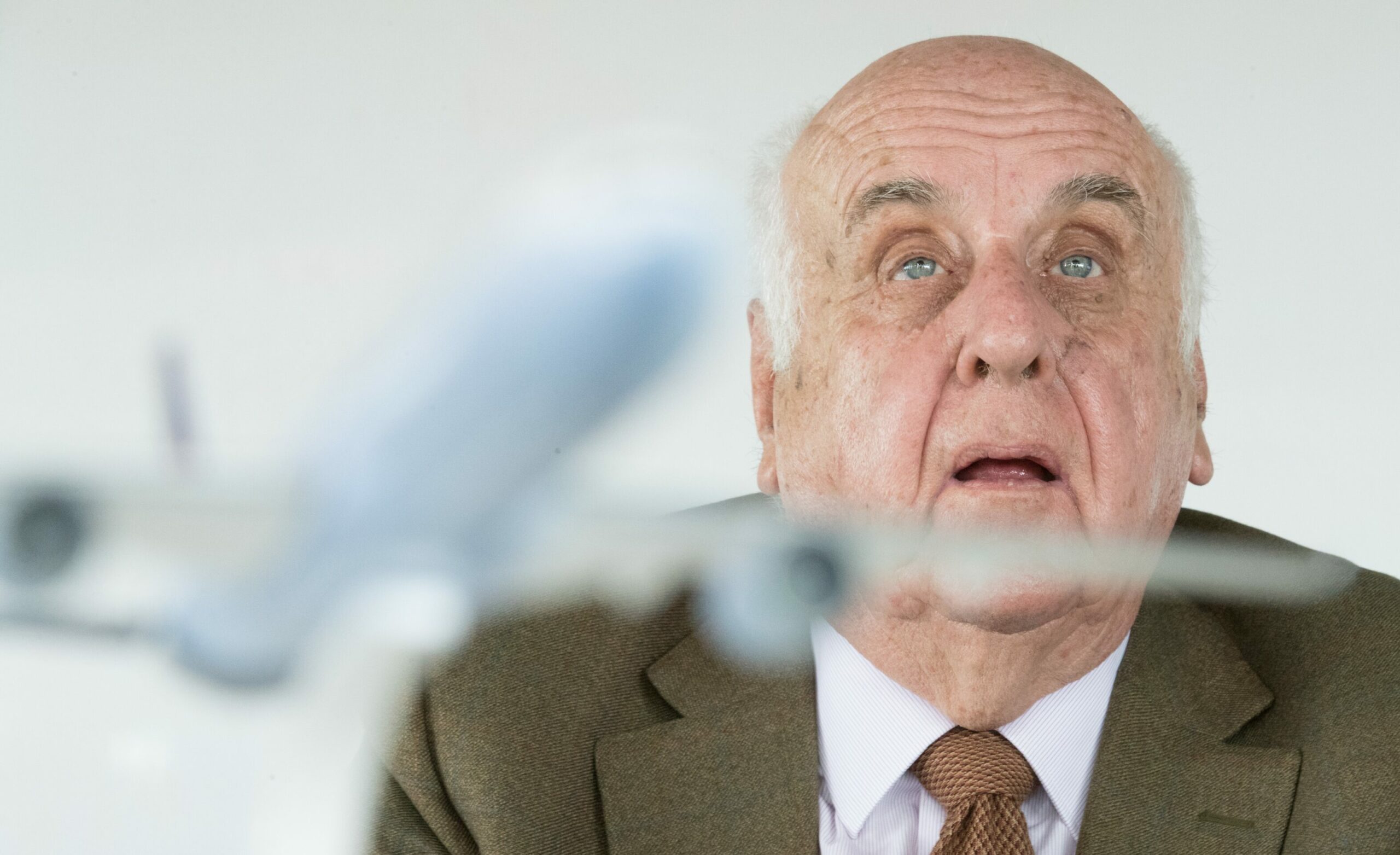
Étienne Davignon is Brussels Airlines Chairman of the board of directors. Here, pictured during a press conference. Credit : Belga/ Benoît Doppagne.
"The direct involvement of Étienne Davignon in the killing itself is far less clear," the family's lawyer, Christophe Marchand, said on Tuesday afternoon.
In 1960, Davignon was sent to the new independent Congo to 'restore order' to what was described as the 'chaos' of the post-colonial era of the country. He also advised the then-president Joseph Kasavubu on how to lawfully remove Lumumba from office.
"From reading the telexes he sent, it is clear that Davignon's mission was to put Lumumba 'Hors d'état de nuire' (out of action), as he wrote himself. These telexes show that he played a significant role in the arrest and transfer of Patrice Lumumba to Katanga, a province whose leaders were hostile to him," Marchand said.
Davignon has always denied Belgian authorities' involvement in the murder, and his lawyer declined to comment to AFP before Tuesday's closed-door hearing.
A long battle
"What we want them to know is: we've got you. We are here. And we are still young," Yema said when asked about the slow pace of the Belgian justice system.
"Stopping without trying is not an option," she added. "Even if it is slow, steps still need to be taken. If we do not do it now, it will not be further along later."
The question of time was raised again when journalists asked about the age of Davignon. Yema sees the issue beyond whether the process would reach a legal conclusion.
"What matters is not what happens to him," she said. "What matters is how we, as a society, decide to judge his actions."
She added that even if proceedings were to end prematurely, the act of pursuing them still had meaning. "Simply shining a light on this, and seeing whether the Belgian justice system is willing to do that, matters," she said. "It could mean that another family, in a similar situation, will not have to wait 14 years just to reach this stage."
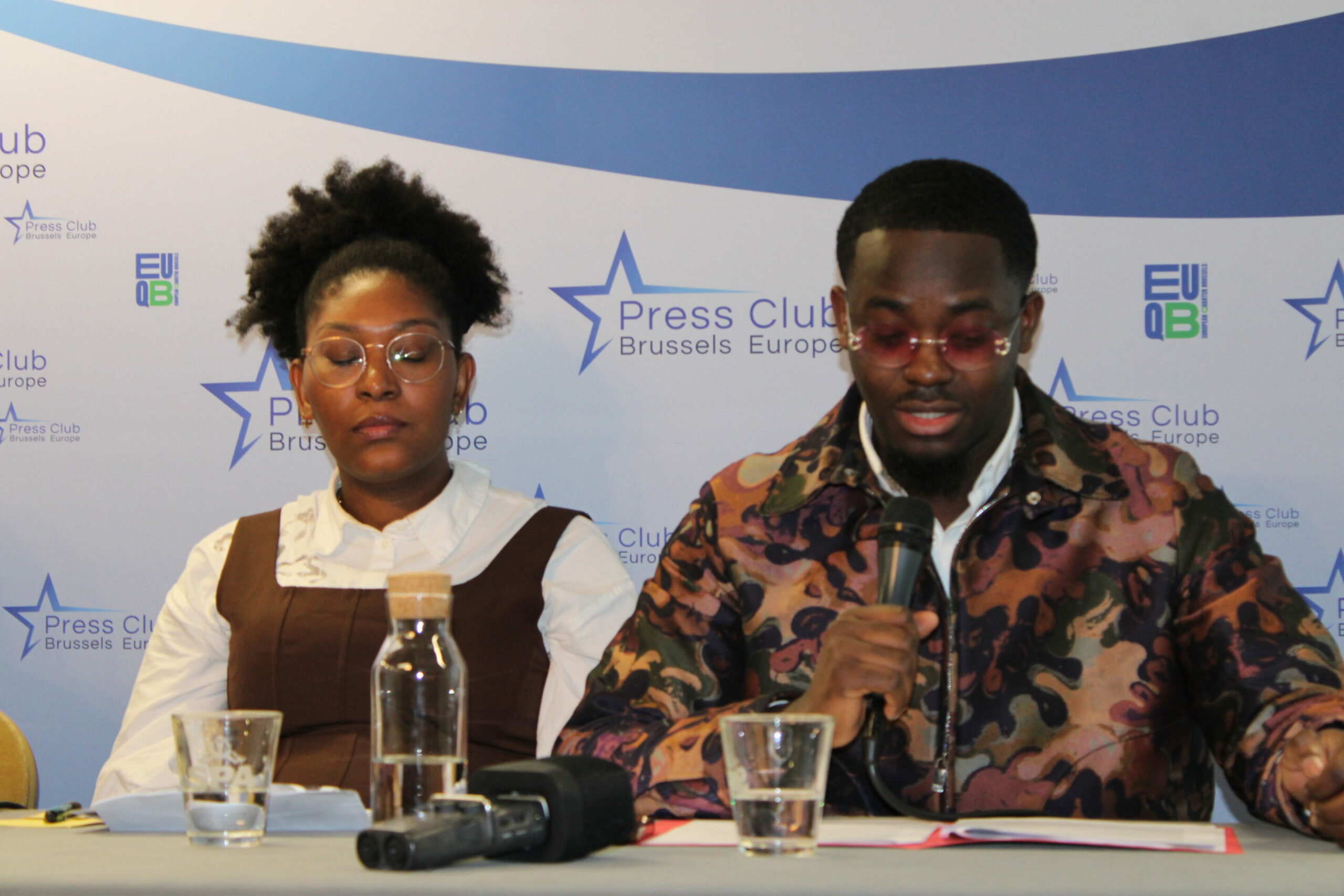
Yema and Mehdi Lumumba during the press conference. Credit: The Brussels Times/ Anas El Baye.
"We know that Étienne Davignon was only one link in a much longer chain," said Mehdi Lumumba, another grandson. "That does not change the fact that we want to establish a legal truth. Everyone must assume their responsibility."
All the grandchildren present live between Congo and Europe. They all carry the Lumumba name, something Yema simply put: "I do not know what it is like to have any other name; as long as it takes, we will be there."
