
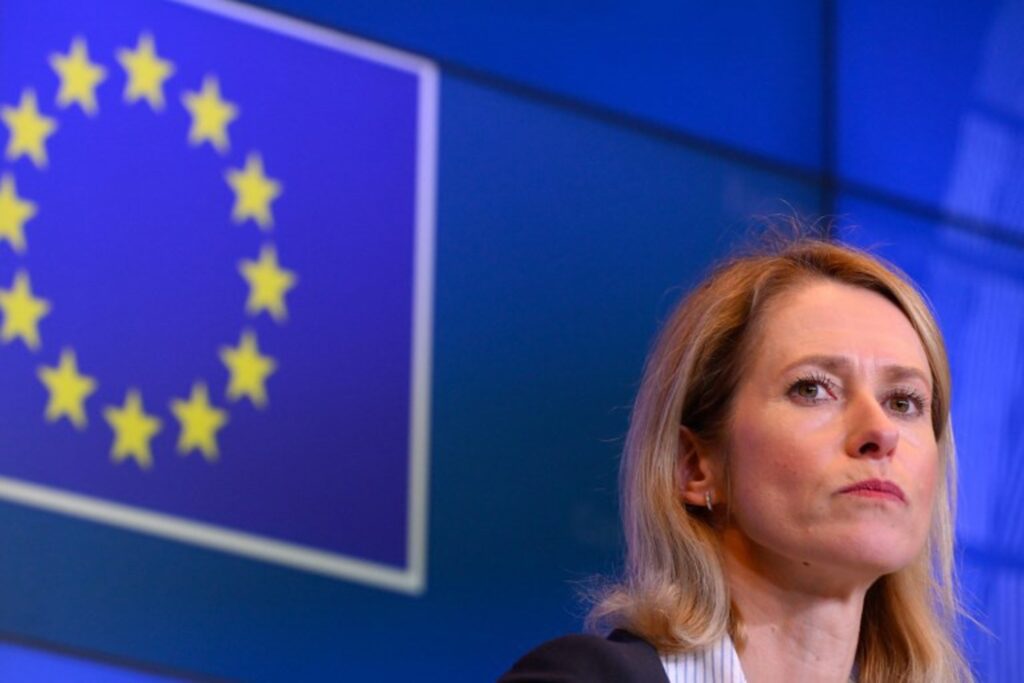
The European Union may designate Iran’s Islamic Revolutionary Guard Corps (IRGC) as a terrorist organisation, EU foreign policy chief Kaja Kallas said on Thursday in Brussels.
Speaking ahead of a meeting of EU foreign ministers, Kallas stated, "This will place them on the same level as Al-Qaeda, Hamas or Daesh. If you act like terrorists, you must be treated as such. The scale of repression and the heavy means used by the Iranian regime must have consequences."
Rights groups accuse the IRGC, the ideological arm of Iran’s ruling system, of leading the deadly crackdown on protests sweeping the country, which have caused thousands of deaths.
Italy is expected to propose the inclusion of the IRGC in the EU’s terrorist list, with France offering its support on Wednesday evening. Iran has warned of “destructive consequences” if the designation goes ahead.
Belgium’s coalition government backs the move and advocates strong sanctions against the IRGC, according to Belgian Foreign Minister Maxime Prévot.
"We continue to push for this, particularly in light of the recent atrocities during the crackdown on protests," Prévot said before attending the meeting.
However, several EU Member States remain hesitant due to concerns over European hostages held by the Iranian government. Kallas acknowledged these concerns, stating, "Risks have been assessed… diplomatic channels are expected to remain open."
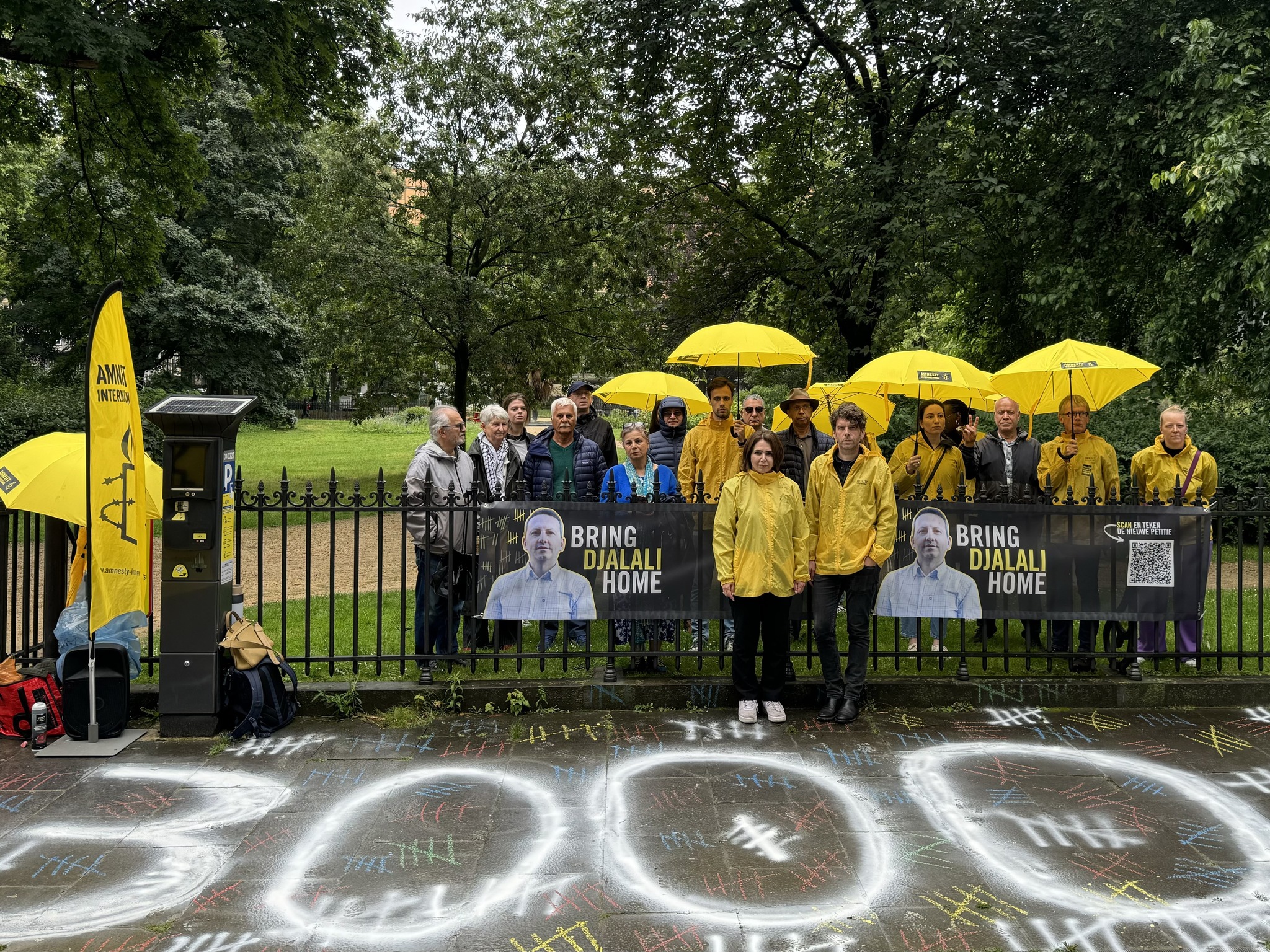
Djalali has been in an Iranian cell for 3000 days. Credit: Amnesty International/Facebook
Ahmadreza Djalali, a Swedish-Iranian academic formerly invited to lecture in Brussels, is still imprisoned in Iran. Meanwhile, it remains unclear if any Belgian or Belgian-Iranian citizens have been detained during the recent unrest.
According to the US-based Human Rights Activists News Agency (HRANA), a total of 6,221 people have been killed during the protest movement in Iran.
In addition to the potential terrorist designation, EU sanctions may also target Iranian government officials, prosecutors, police unit chiefs, IRGC members, and those responsible for internet shutdowns, said French Minister Jean-Noël Barrot. "Altogether, more than 20 individuals and entities will face asset freezes and bans from entering EU territory."
Barrot urged Iran’s authorities to free prisoners, end executions, restore internet access, and allow the Iranian people to determine their own future.
He noted that two French hostages currently remain safe within France’s embassy in Tehran.
