
At the start of each month in Belgium, a series of changes to laws, rules or policies come in which impact residents in various ways.
February may be the shortest month of the year, but plenty of new laws and regulations are coming in. From buses, metros and trains becoming more expensive to higher fines for criminal offences, discover the most important changes in February 2026 below.
Higher fines for criminal offences
From 1 February, criminal fines (fines imposed by a judge) will be higher because all so-called "multipliers" are increasing, confirmed the office of Justice Minister Annelies Verlinden (CD&V).
The fines in the current Criminal Code date back to 1867. Multipliers are a factor by which legally determined fines are multiplied in order to adjust them to inflation.
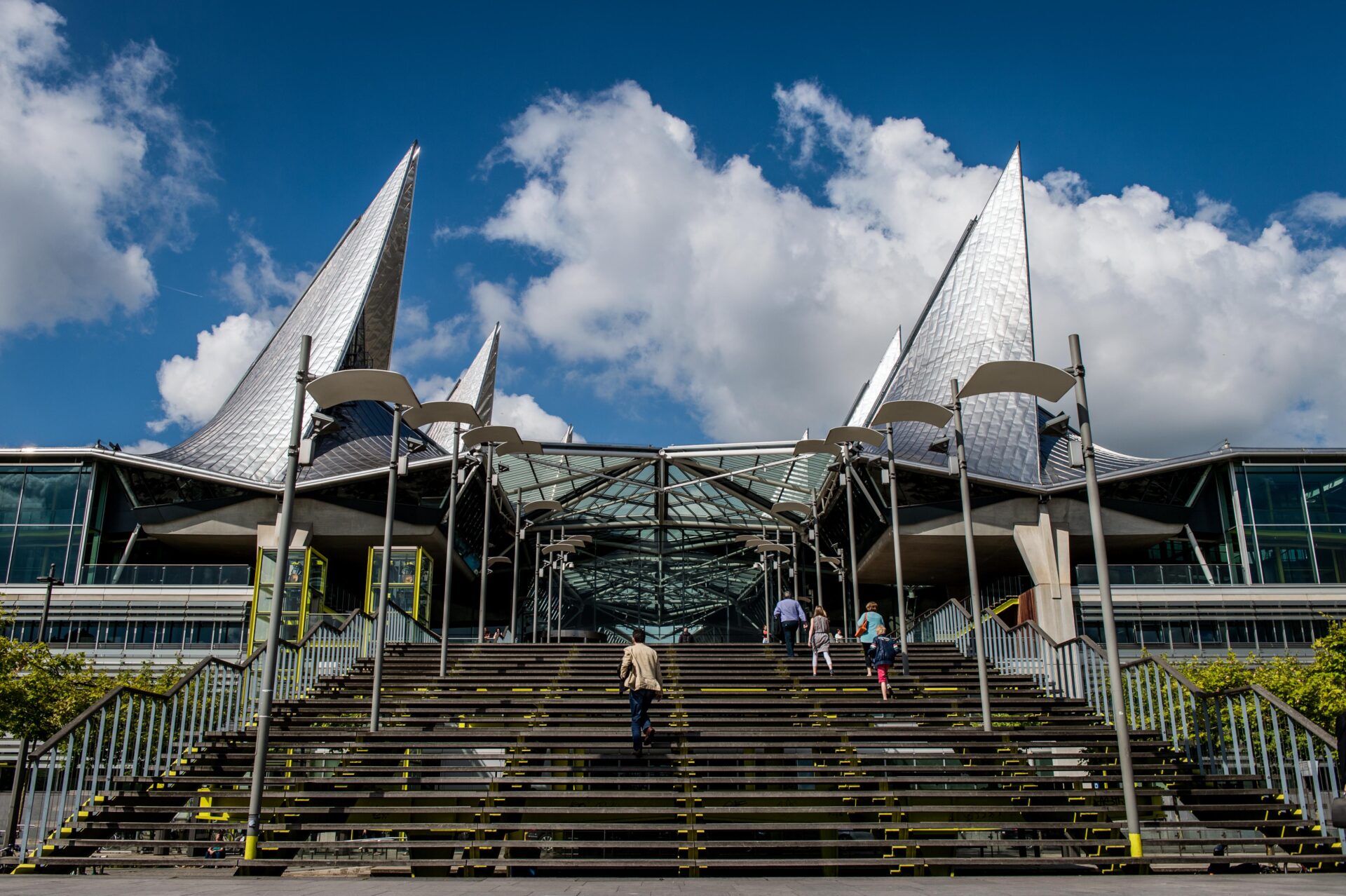
Court in Antwerp. Credit: Belga/Jonas Roosens
Until now, fines were in principle multiplied by a factor of 8, but this will now be a factor of 10 – meaning they will increase by 25%.
For example, someone who is fined €1,000 by a judge will now have to pay €10,000, whereas previously it was €8,000. The increases stem from the budget agreement concluded by the Federal Government at the end of 2025.
More expensive public transport tickets
Various transport companies are increasing the prices of a number of fares from this month. The average increases vary from just over 2% to more than 4%.
At the SNCB/NMBS railway operator, tickets will become 2.14% more expensive, and season tickets 2.60%. However, there are exceptions: the price of a Train+ card will not change, and the bicycle supplement and pet supplements will also remain unchanged.
Additionally, season tickets for journeys longer than 120 kilometres will become cheaper, as will day tickets for car parking for train passengers.
Brussels transport operator STIB/MIVB is also indexing its prices. The price of a single ticket will rise from €2.30 to €2.40, a monthly season ticket from €55 to €56 and an annual season ticket from €550 to €560. Some prices, such as those for school season tickets, will remain unchanged.
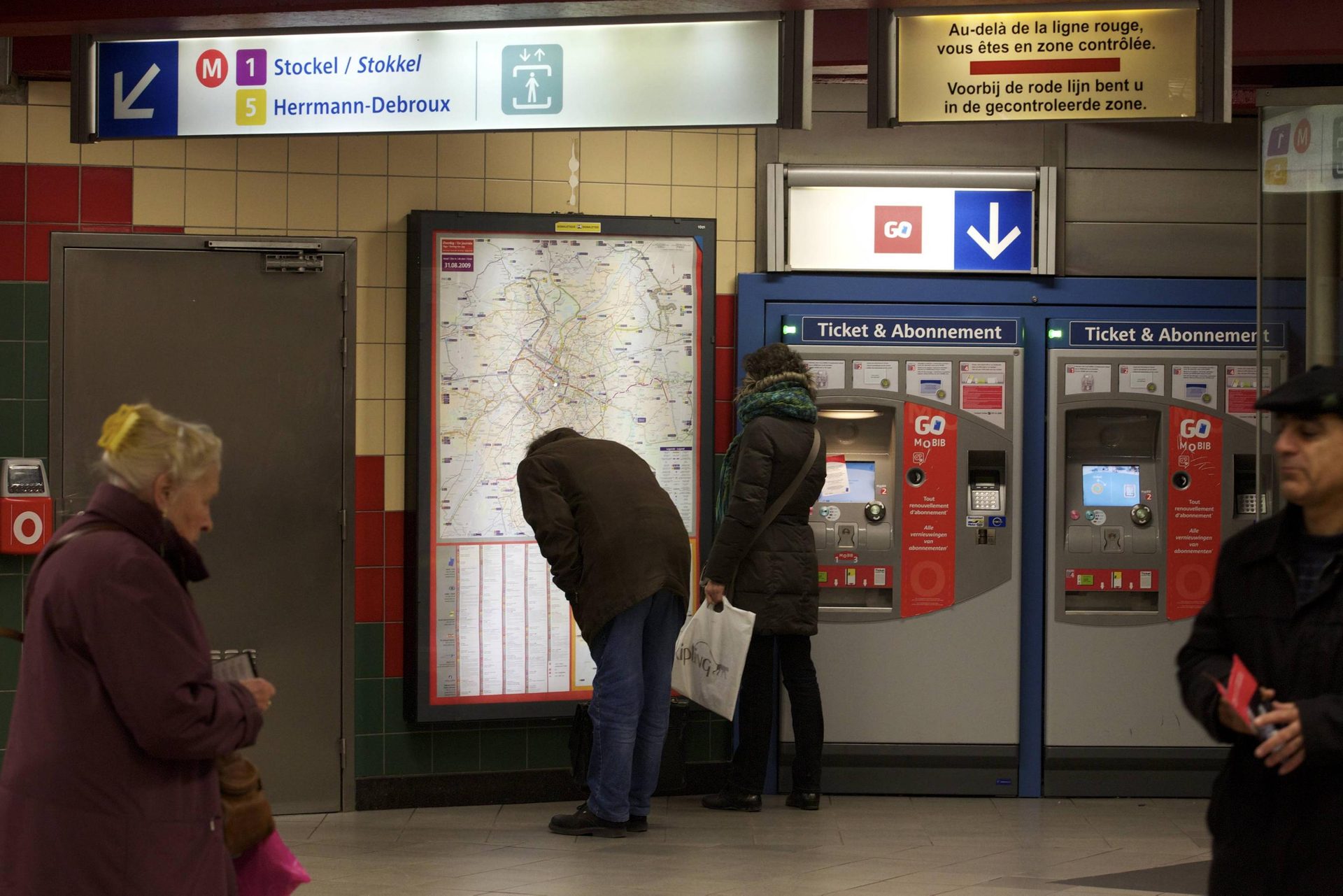
Credit: Belga/Nicolas Maeterlinck
Tickets for Flemish public transport company De Lijn will apply an average indexation of 4.2%: most season tickets, multi-trip tickets and group tickets will become more expensive, while most fares for occasional tickets (single tickets, day tickets) will remain unchanged.
One season ticket will become cheaper: Buzzy Pazz for 18 to 24-year-olds; the price will be reduced by almost a quarter: from €215 to €165.
The Walloon public transport company Letec is also introducing an average indexation of 2.15%. Additionally, there will be a new fare structure: zone fares will be replaced by a flat rate on the traditional lines.
Higher standards for Dutch-speaking integration course
Immigrants taking Belgium's social orientation course in Flanders (this includes those opting for the Dutch-language course in Brussels) will have to achieve a pass mark of 70% in the subsequent exam– up from 50% previously, confirmed Flemish Integration Minister Hilde Crevits (CD&V).
The 60-hour course is a compulsory part of the integration process, and consists of general objectives (with a focus on norms and values, such as freedom of expression and respect for sexual diversity) and practical questions, such as how to take the bus or what your rights and obligations are when renting a house.
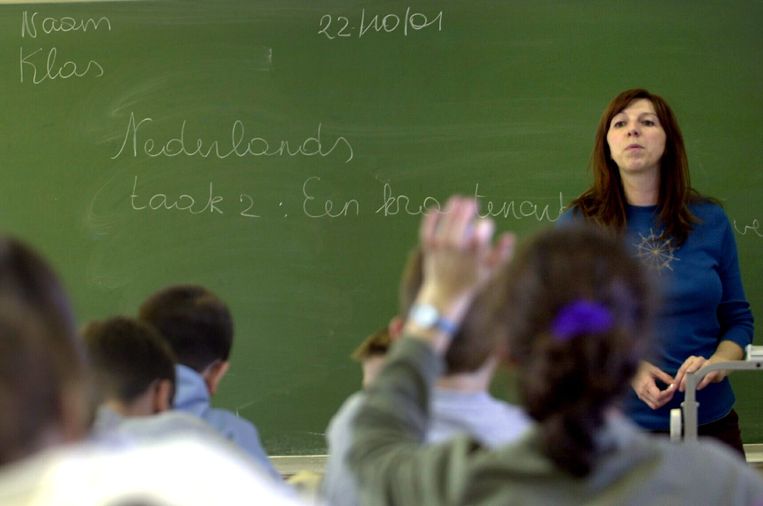
Credit: Belga
Up until now, candidates had to achieve an overall score of 50% to pass. From February, that percentage is increasing to 70% for the overall score, which consists of the Social Orientation test and an evaluation by the teacher. For the general objectives, the bar is set at a minimum of 80%, and for the practical questions, a minimum of 50%.
Crevits is raising the bar because she considers it essential that integration course participants have a good knowledge of Belgian society, know their rights and obligations, and learn enough about Belgian norms and values, she said.
In 2024, 19,535 people took the Social Orientation course; 90% passed the test.
Approval needed for Ozempic reimbursement
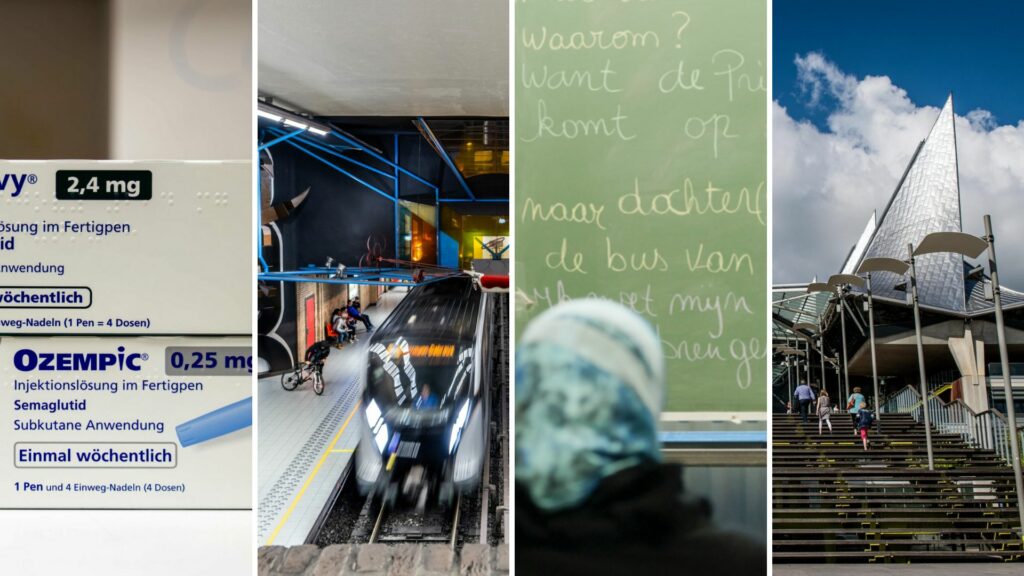
A doctor's prescription will no longer be sufficient to obtain reimbursement for anti-diabetes drugs, such as Ozempic and Rybelsus. From now on, the health insurance fund must also give its approval first, according to an announcement by the National Institute for Health and Disability Insurance.
The measure applies to the 'GLP-1 analogues' class of medicines, which are used to treat type 2 diabetes. Specifically, this concerns Ozempic, Rybelsus, Trulicity, Victoza and Xultophy – a similar arrangement has already been in place for some time for the medicine Monjoura.
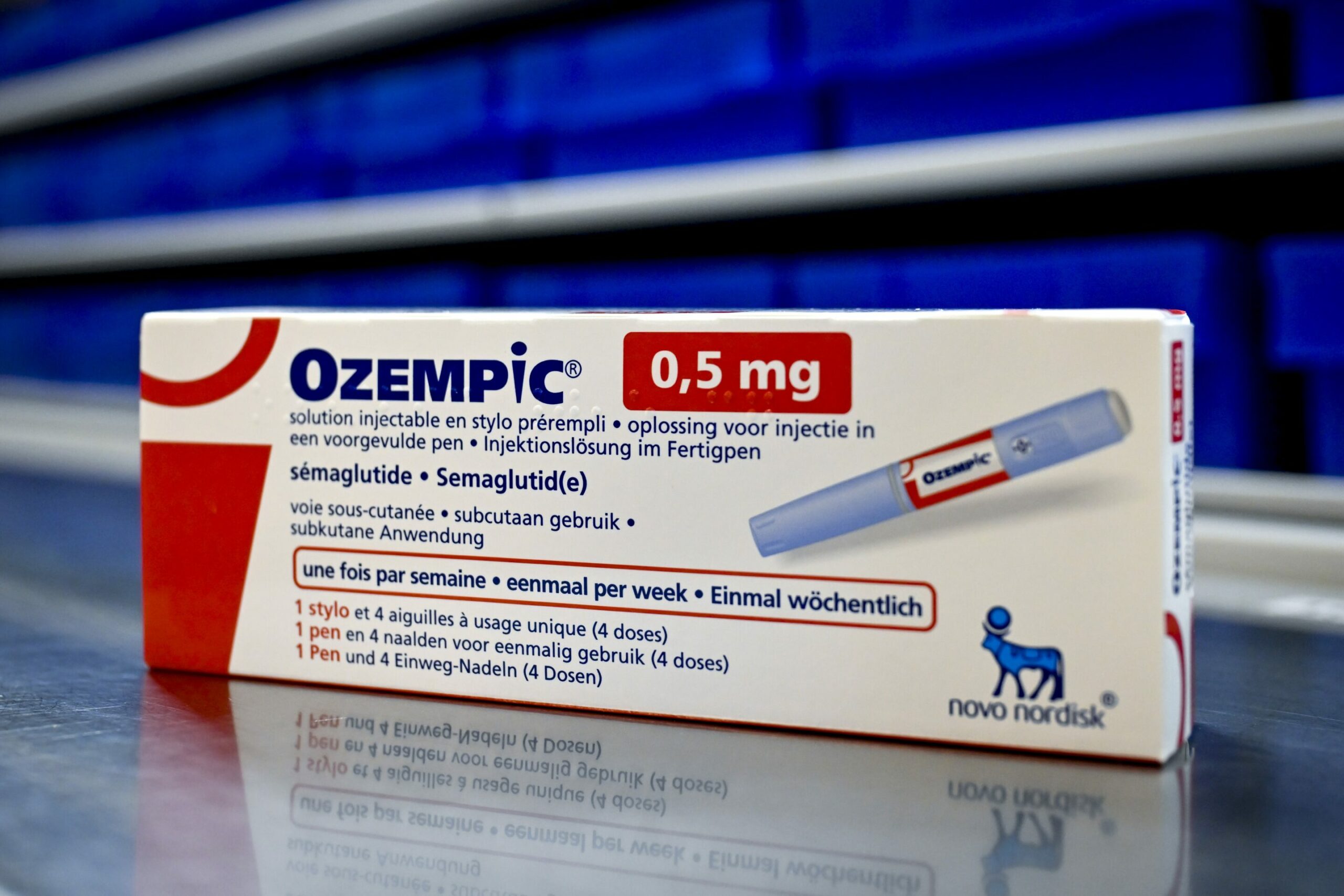
A package with Ozempic medicine. Credit: Belga/Dirk Waem
Patients undergoing diabetes treatment will also need prior authorisation from their health insurance fund. The measure has been introduced to combat abuse, as these drugs are also popular as slimming aids because they have weight loss as a side effect.
"It is a targeted response to abuse that has had a significant impact on the health insurance budget in recent years, due to the unjustified reimbursement of medicines used as appetite suppressants by people who do not have diabetes," said the National Institute for Health and Disability Insurance.
In September last year, the insurance fund said that over a period of three and a half years, €21.5 million worth of medicines such as Ozempic and Rybelsus had been wrongfully reimbursed.
Bank accounts are changing prices
Belfius Bank will increase the price of its basic bank account. The monthly fee will rise from €1.35 to €1.65, among other price changes confirmed by the bank and insurance company.
The bank's Beats New accounts without a Mastercard will increase from €3.50 to €3.90 per month, while the bank will charge an additional €1.10 (Beats New) and €1.50 (Beats Pulse) for accounts with a joint holder or authorised representative.
On the other hand, the price of the most comprehensive package, Beats Star, will decrease from €7.50 to €5.90. The Beats Pulse online account will remain free of charge.
