
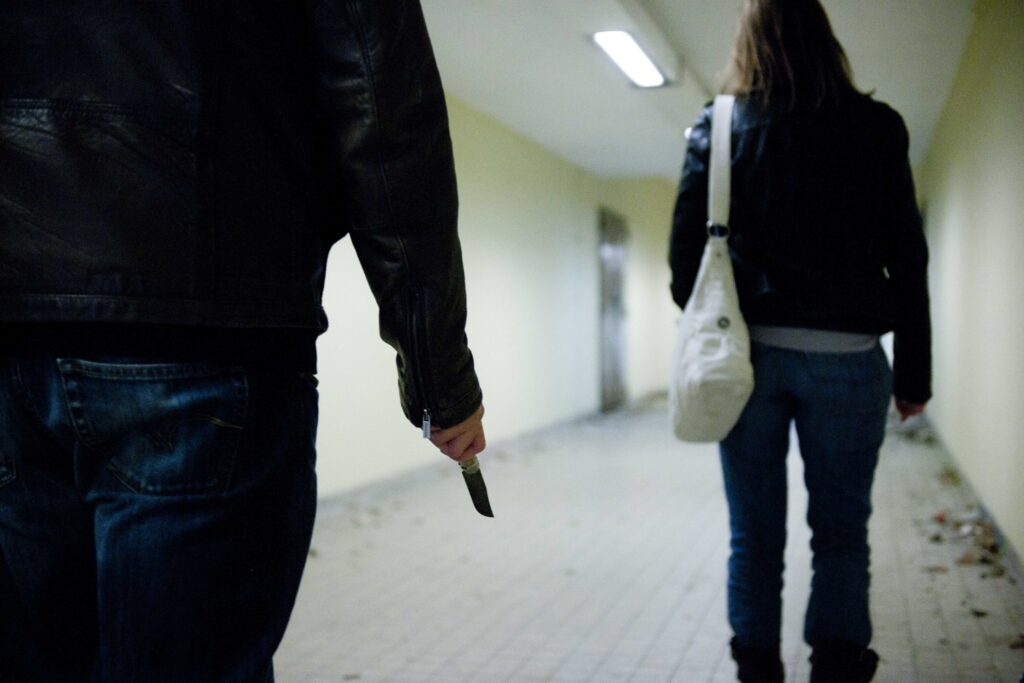
A report on gender inequalities in Brussels reveals that insecurity significantly affects how some individuals, particularly women and people of the LGBTQ+ community, navigate public spaces.
These groups often alter their behaviour due to experiences of harassment or perceived risks, according to the study done by the Brussels expert centre for regional and territorial development, Perspective Brussels.
Tactics include changing routes, avoiding certain locations, or speeding up movement to minimise exposure to unsafe situations.
The report notes that public spaces are often assumed to be neutral but are shaped by social norms and power dynamics.
Research cited in the document shows that these norms frequently result in men being more present or visible in certain urban areas.
Witness accounts mention incidents such as street harassment, verbal abuse, and micro-aggressions, which dissuade individuals from using public spaces at specific times.
Perspective identified urban features, including better lighting, pathways, shaded spots, public toilets, and water points, as helping make spaces more inclusive and welcoming.
The findings emphasise the need to integrate gender perspectives into urban planning and public space design.
The report is built on statistical data, territorial analysis, and interviews with women and LGBTQ+ individuals documenting their experiences in the city.
