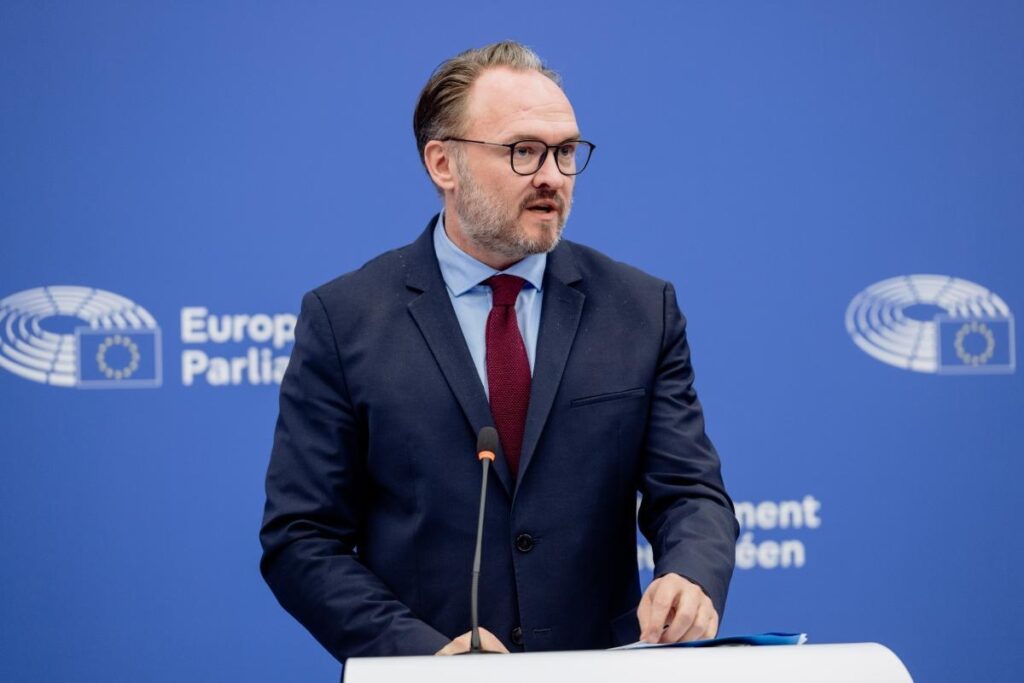
The European Union will no longer import any energy from Russia in the future, according to European Commissioner for Energy Dan Jørgensen on Monday.
Jørgensen made the statement ahead of a meeting with European energy ministers, responding to comments from Belgian Prime Minister Bart De Wever.
"It would be a mistake to repeat what was done in the past. The message is clear: in the future, we will not import a single molecule from Russia," said Jørgensen.
The Danish Commissioner highlighted that the EU adopted a law last year banning the import of Russian gas from the end of 2027. Additionally, the European Commission is working on a proposal to prohibit the remaining oil imports from Russia.
"It is crucial that we stay committed to this course," Jørgensen emphasised. "Europe must not contribute to indirectly financing Russia’s brutal and illegal war. For far too long, we were dependent on Russian energy, which allowed Putin to use it to manipulate and weaponise against us."
Prime Minister De Wever recently expressed support for a possible agreement with Russia regarding the Ukraine war. Over the weekend, he told French-speaking media that Europe should rearm, remilitarise its borders, and restore relations with Russia to regain access to affordable energy, calling it "common sense."
De Wever’s comments were welcomed by Hungarian Foreign Minister Peter Szijjarto, who attended Monday’s Brussels discussions with EU counterparts.
"What is happening currently leads nowhere. Blocking communication channels means abandoning hopes for peace," Szijjarto argued.
Szijjarto did not clarify whether Hungary now views Belgium as an ally. "I will discuss this with the Belgian Foreign Minister today because, so far, it hasn’t appeared that they have adopted this stance, at least not during Council meetings of Foreign Ministers," he stated.
Hungary and Slovakia are currently blocking the approval of a €90 billion EU loan to Ukraine. Both nations stopped receiving Russian oil via the Druzhba pipeline, which has been out of operation since January, reportedly due to a Russian attack, according to Ukraine.
On Monday, Szijjarto reiterated claims that Ukraine has political motives behind its continued blockage of the oil pipeline. "If a country imposes an oil blockade on us, that country cannot expect us to support decisions here in Brussels that work to their benefit," he said.
To resolve the dispute and push forward with the loan approval, the European Commission proposed a mission to Ukraine last week to assess the pipeline damage. According to Jørgensen, Ukrainians are "working as hard as they can" to repair the pipeline.
On Sunday, Ukrainian President Volodymyr Zelensky accused some European allies of trying to coerce Kyiv into restoring the pipeline by exerting pressure over the €90 billion loan.
Related News
- De Wever calls for 'normalisation' of relations with Russia and says EU must strike deal over Ukraine
- EU conservatives collaborating with far-right more than previously thought
- Putin offers EU energy lifeline as Middle East conflict sends oil prices soaring
- 'Normalising' relations with Russia? Belgium's position on Ukraine, explained
