
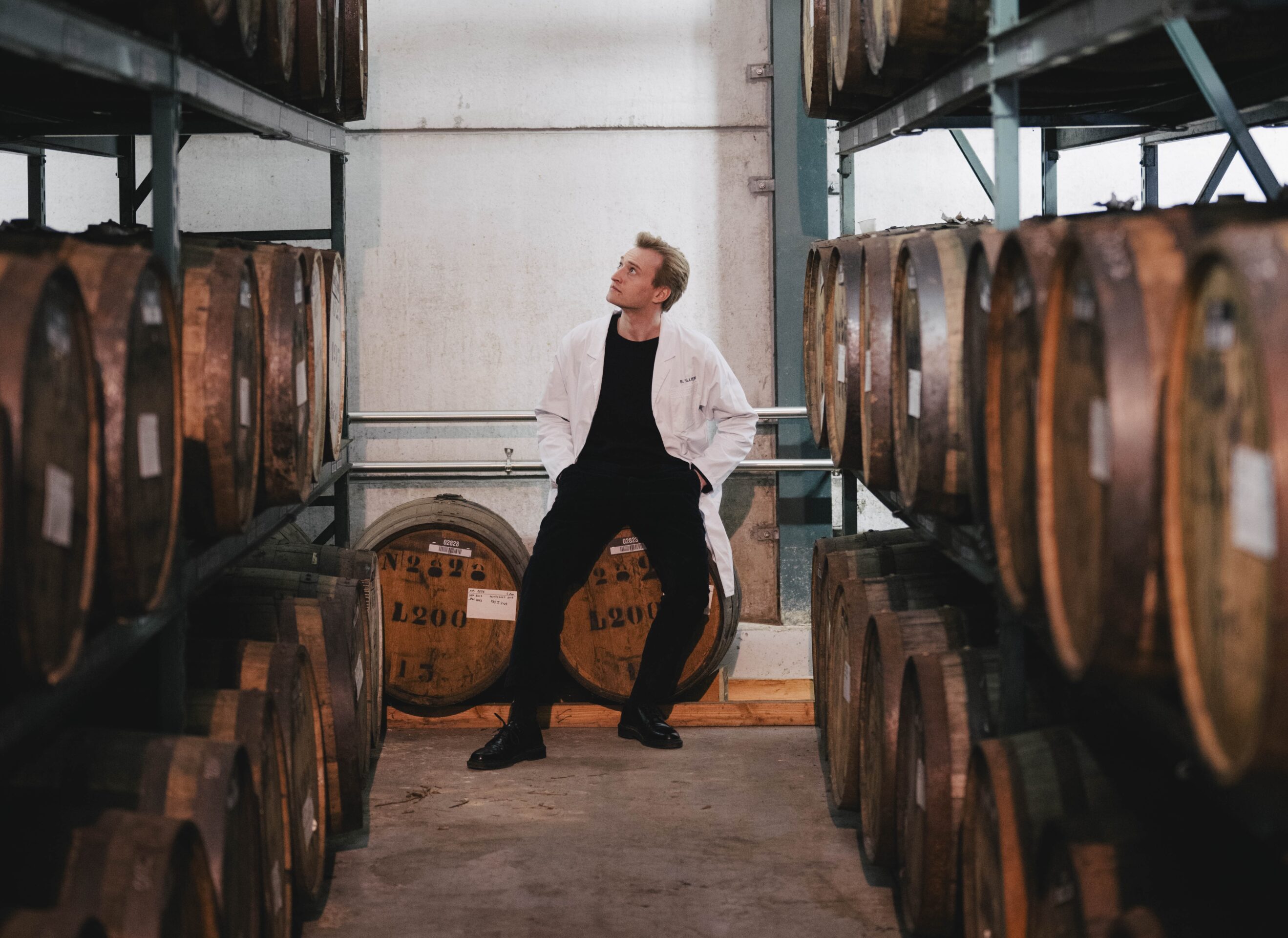
In a quiet corner of East Flanders, one of Belgium’s oldest distilleries is preparing for its next chapter.
Founded in the late 19th century and still family-owned six generations on, Filliers has spent more than 145 years distilling spirits – from traditional genever to gin and, increasingly, premium whisky. “Honour tradition, embrace change,” is the family motto. Now, with a new generation at the helm and tastes shifting towards quality over quantity, the distillery believes its moment may finally have arrived.
That generational handover came in late 2025, when 30-year-old Benoit Filliers was appointed chief executive, returning day-to-day control of the Deinze-based company to the founding family. His arrival coincided with the release of a limited-edition single malt whisky, Vino De Naranja – a deliberate signal that heritage and innovation are not competing forces at Filliers, but complementary ones.
The whisky, finished in rare Spanish orange-wine casks, nods to the distillery’s long-standing willingness to experiment, giving a deep, complex, tangy finish to the single malt, which had already been aged in sherry casks.
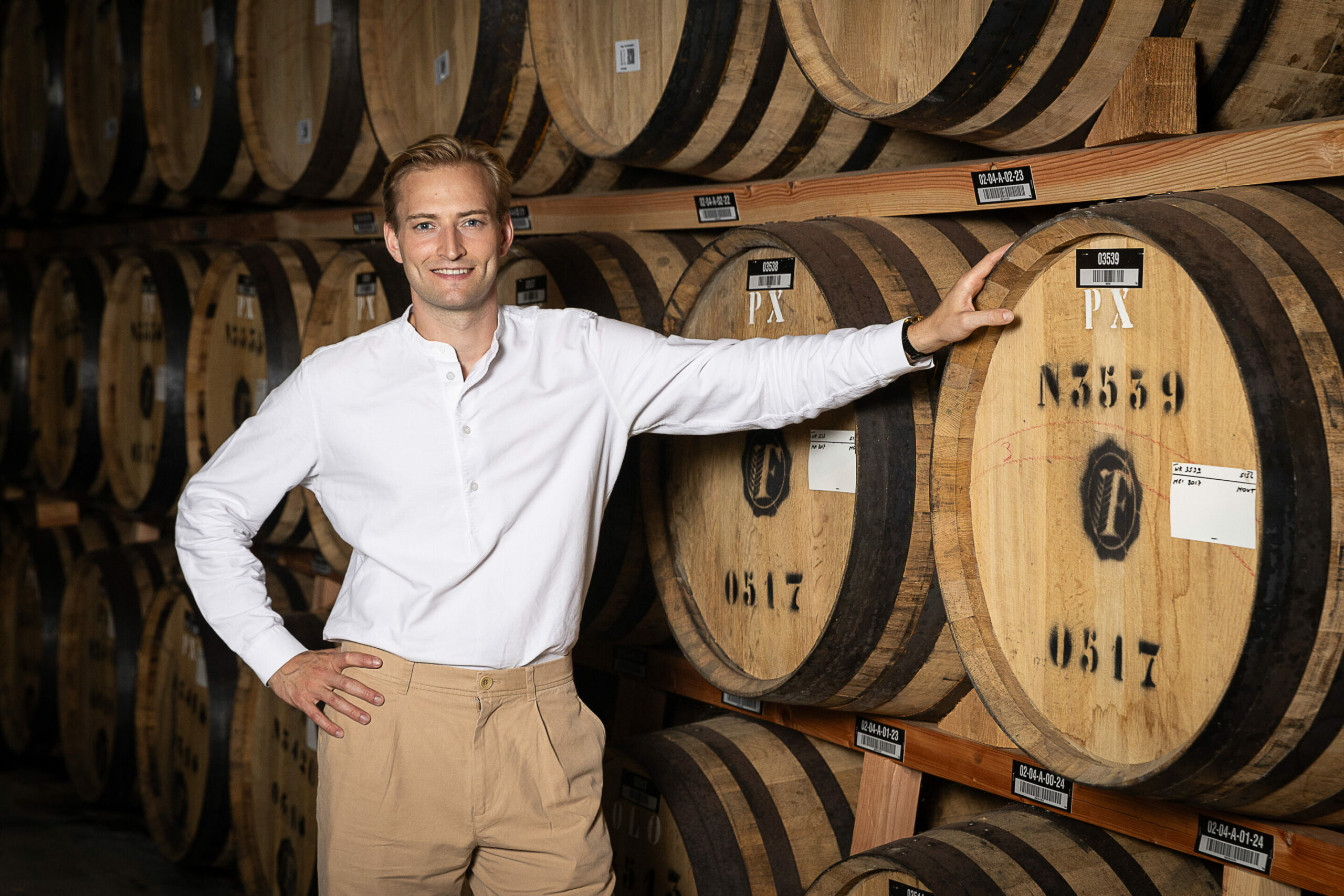
Benoit Filliers, CEO of Filliers distillery
For Benoit Filliers, the timing matters. Alcohol consumption across Europe is slowing, but demand for premium spirits continues to grow. “People drink less today, but they drink better,” he says – a shift that is reshaping not only what the distillery produces, but how it positions.
Filliers has slimmed down its range, which it had revived in 2012 with the launch of Dry Gin 28. The gin hype appears to have burst almost as quickly as it appeared. Consumers, he adds, are now willing to pay around €26 for a half-litre bottle – but no longer €50. Still, there remains a market for premium gins.
The distillery continues to sell a modernised tribute version of its first gin, created in 1928 by Firmin Filliers. At the time, it was bottled in a pharmacy-style container – a pragmatic choice, as standard glass bottles were expensive.
Genever in the DNA
Gin itself, however, was once an innovation for a distillery historically focused on genever (or jenever or genièvre). The story began in 1869, when Karel Lodewijk Filliers bought land to start a farm. A decade later, his nephew Kamiel Filliers invested in a steam engine to distil grain. Licensed to operate a so-called “warm” distillery – with every stage of production carried out on site, from grinding and fermentation to distillation and ageing – Filliers’ genever quickly became a flagship product on the local market.
“We will never stop producing genever – it’s in our DNA,” Filliers says. Yet genever remains a local, niche spirit, difficult to sell beyond Belgium, the Netherlands, Canada and Argentina. It is, though, considered the missing link between gin and whisky. Like whisky, genever is distilled from grain; like gin, it is flavoured with juniper – resulting in a ripe, rounded spirit lifted by fresh, spicy notes.
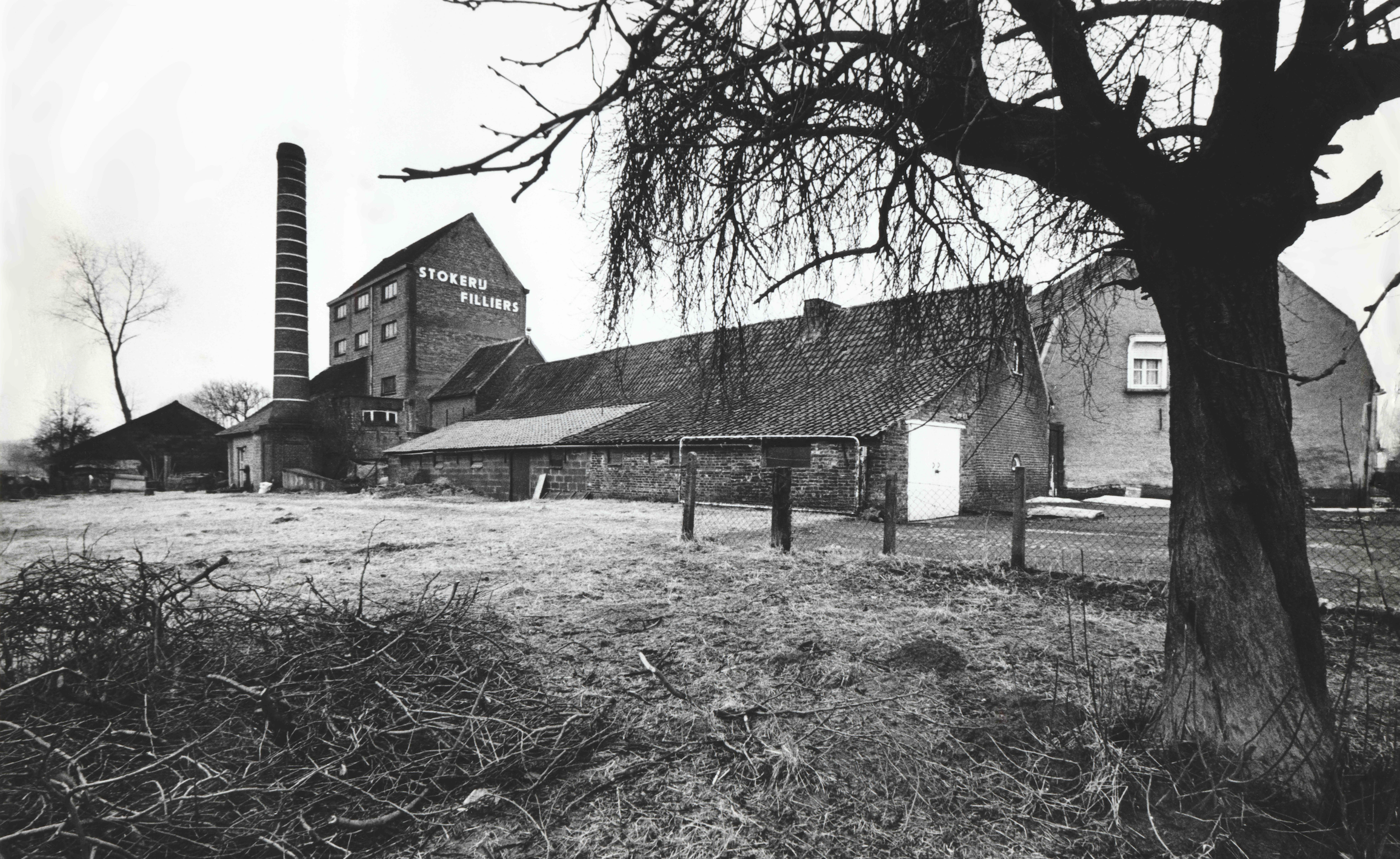
Filliers distillery back in the days
In 1986, the fifth generation of the family, led by Jan Filliers, expanded the range with fruit genevers made using fresh fruit juice, broadening the customer base. Cream genevers followed in the late 1990s, in flavours ranging from chocolate and vanilla to coconut and banana. The company also acquired several historic genever distilleries in the 2000s – though by then the market was already in decline.
A decisive shift came in 2019, when Filliers launched its first barrel-aged genevers – an audacious move for a spirit traditionally consumed young. The range spans from eight to 21 years of ageing. The eight-year-old is spicy and pairs well with ginger ale; the 12-year-old evokes speculoos biscuits; the 17-year-old has woody caramel notes; while the award-winning 21-year-old is spicy and fruity, with hints of walnut, toasted hazelnut and dark chocolate – a pairing some Belgian chefs now explore alongside caviar, cheese or even ham.
These premium, barrel-aged spirits marked a tangible transition: from wheat and juniper towards barley and rye as future drivers of growth.
Riding the whisky wave
While innovative, the collection also built on a longer internal tradition. As early as the 1960s, fourth-generation brothers Carlos and Louis Filliers had begun experimenting with wood-aged genever in American oak bourbon barrels, later introducing European oak sherry casks for whisky maturation. That early expertise smoothed the distillery’s transition into whisky production.
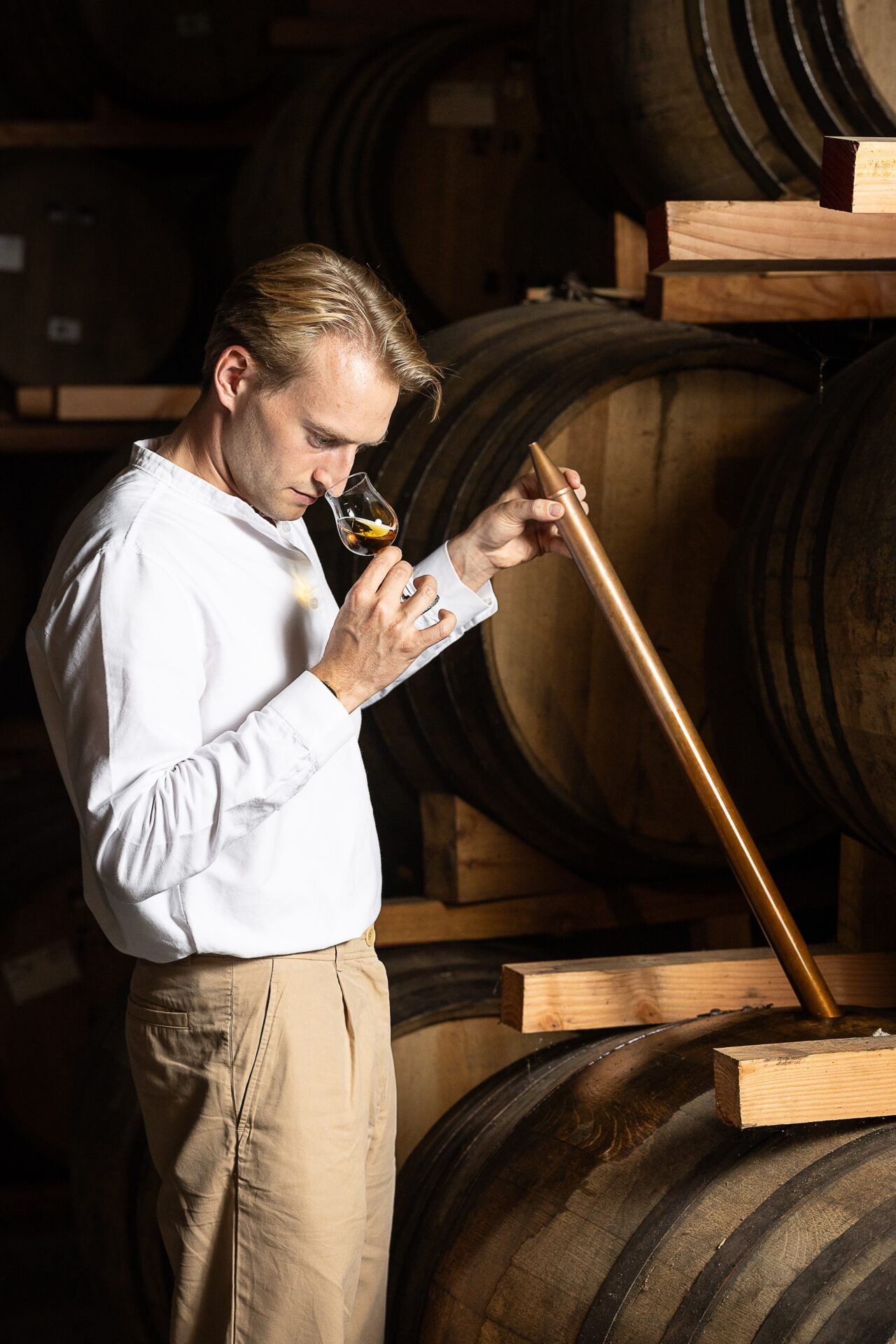
Benoit Filliers
In 2007, Filliers launched Goldlys, its first double-distilled whisky matured in ex-bourbon casks – shortly after the debut of Belgian Owl, now Belgium’s best-known whisky distillery. As demand for whisky continued to grow, Filliers invested heavily: a new maturation warehouse in 2014 made it the distillery with the largest ageing capacity in the Benelux; Belgium’s first rye whisky followed in 2016; and in 2018 the company acquired two large Scottish copper pot stills.
One can taste the difference. Copper removes sulphur compounds, which is why Scotland and Cognac producers use it. While it may seem old-fashioned, it’s still seen as the best way to make a spirit. Since 2019, Filliers has bottled an annual range of single malts – aged five, ten, 15 and 13 years (cask strength) – alongside special editions.
Sustainability and succession
Today, Filliers operates three parallel distillation processes: genever, gin and whisky. Heads and tails – the unwanted fractions of distillation – are diverted to the biofuels industry, which accounts for half of the company’s output by volume. Whisky, however, offers greater growth potential. Casks now represent 60% of spirits ageing in Filliers’ warehouses, up from just 10% two decades ago.
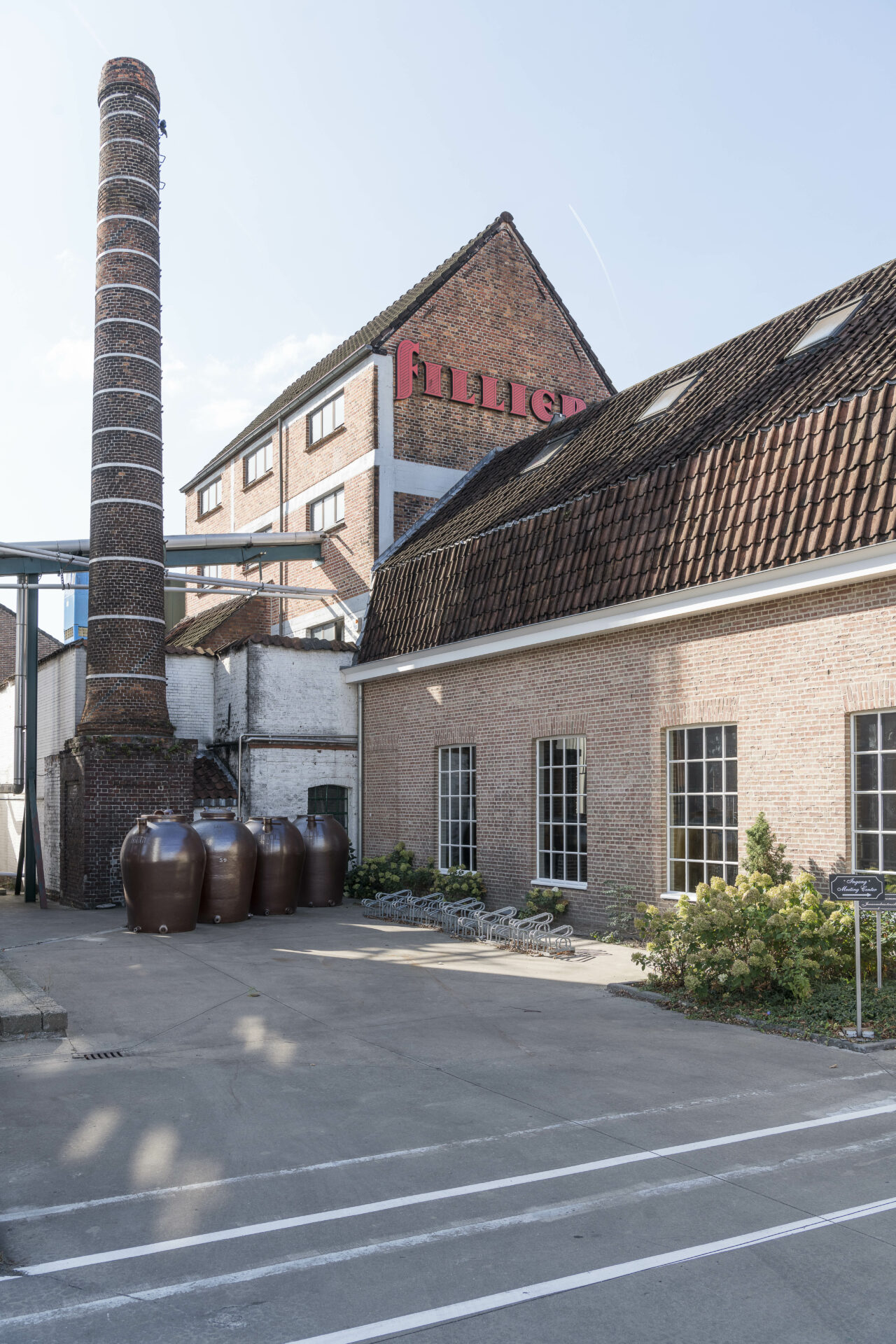
Filliers distillery today
Despite an overall slowdown in alcohol consumption, demand for malt whisky continues to grow in Belgium and abroad. Producers are selling less, but better, with consumers are willing to pay more for premium products.”
Competition is intense, and Filliers aims to cover every base: sustainability, local sourcing and traditional methods. Solar panels have been installed above the bottling hall; process heat is reused; biogas is sourced from a neighbouring plant. Malt for premium spirits – costing 30 to 40% more than commodity grain – comes from barley grown in Belgium by farmers practising regenerative agriculture. Water is drawn and filtered on site, while spent grain is supplied to nearby farms.
“We still have a whisky image to build,” Filliers admits. With whisky drinkers becoming younger and more female – and alcohol advertising tightly regulated – communication requires creativity. The distillery now hosts whisky masterclasses at its visitor centre to cultivate informed brand ambassadors.
The sudden death of Jan Filliers – master distiller, co-owner and manager – in a car accident in 2008 shook the company but did not derail it. His cousin Bernard stepped in until retiring in 2018.
As CEO, Benoit Filliers plans to move with his family from Ghent into the house next door to the distillery, as generations before him did. “I still have time to contribute,” he says. “Just as each generation has before mine.”
