
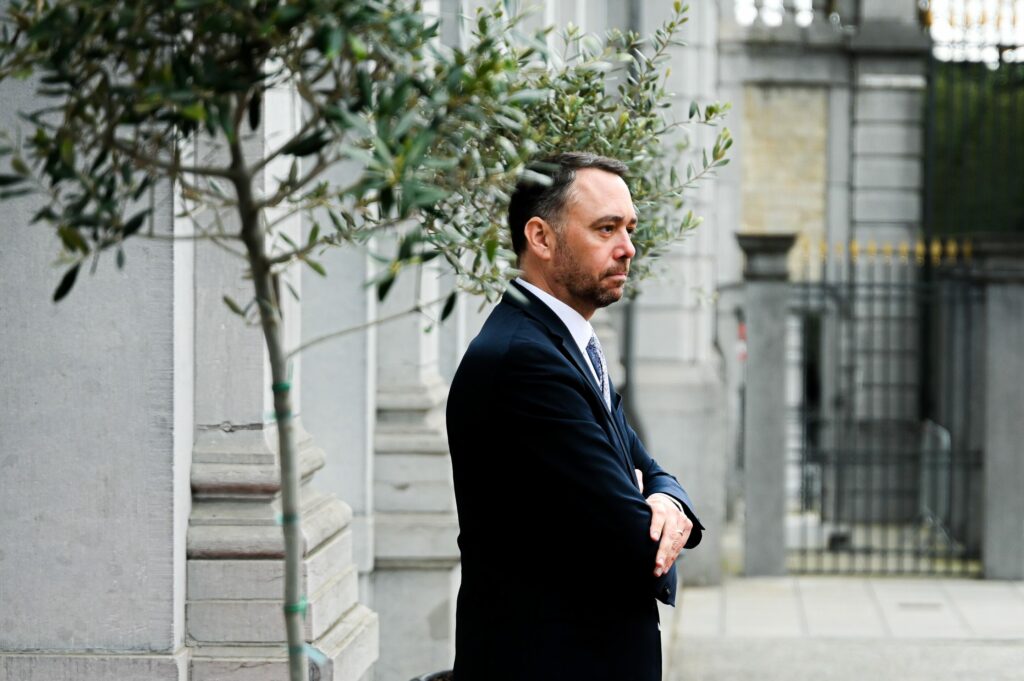
"In the short term, there is no risk to our energy supply. It was not my intention to sow panic. But we must remain cautious, anticipate, and prepare."
Belgium’s Foreign Minister Maxime Prévot (Les Engagés) sought to reassure Belgian citizens in a radio interview on VRT on Thursday, as Europe grapples with the economic fallout from the Israeli-US war in Iran and Lebanon.
His comments came after having warned the federal Committee on Foreign Affairs on Wednesday that he foresaw a "major risk" to energy supply in the coming months, while urging Belgians to change their behaviour to reduce fuel and natural gas consumption.
It echoed the line pushed by the European Commission this week, which urged EU Member States to coordinate efforts to secure the supply of oil and refined petroleum products in the EU.
The Commissioner for Energy and Housing, Dan Jørgensen, urged EU capitals to promote energy-saving measures that aim to lower overall demand, with particular attention given to the transport sector, following the recommendations of the International Energy Agency (IEA).
10-point plan
Jørgensen's advice cited the 10-point plan, which was published by the IEA in the aftermath of the Iran war, aiming to reduce energy demand, published on 20 March.
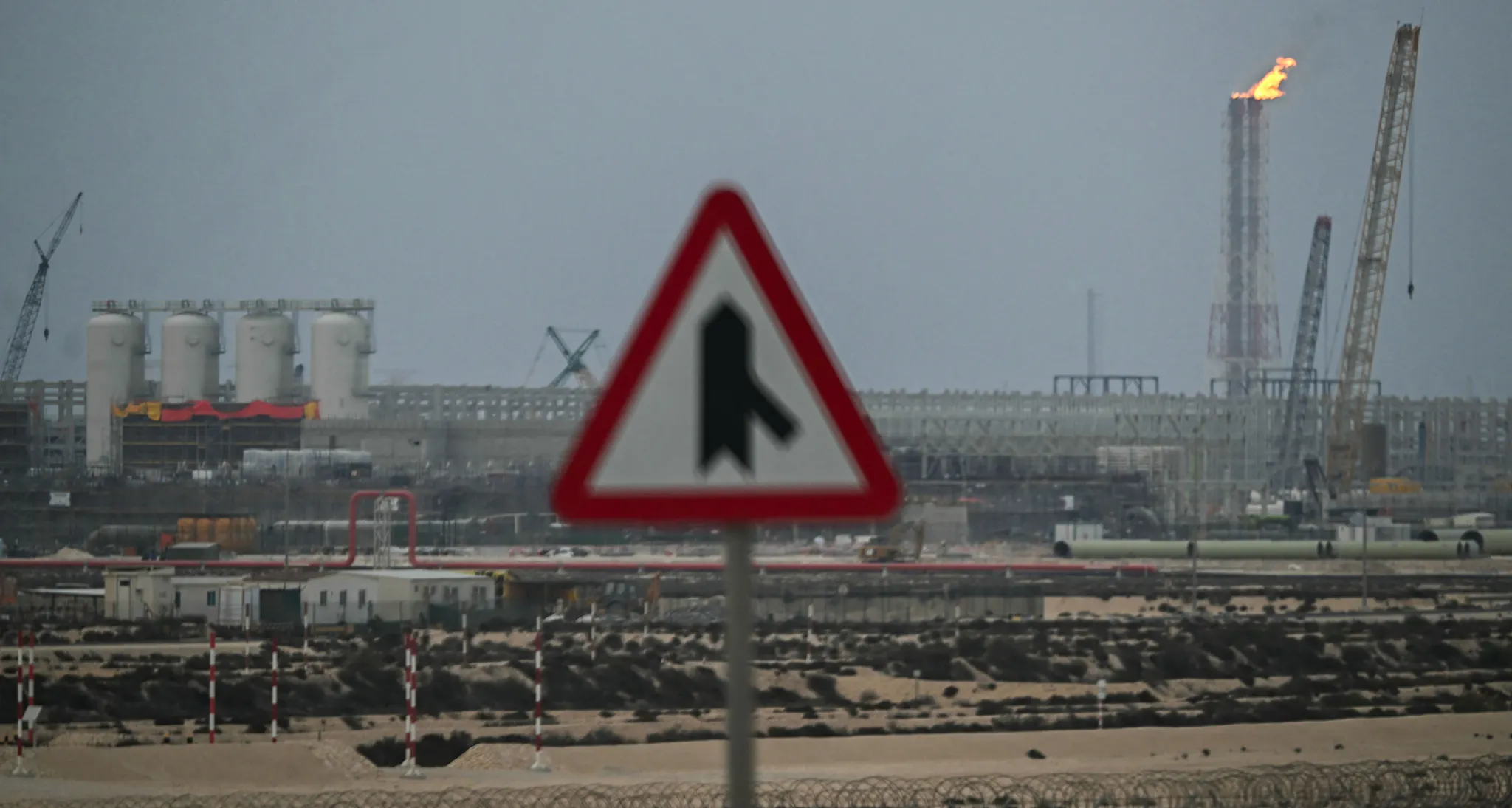
These included working from home, promoting public transport, reducing highway speed limits by at least 10 km/h, reducing air travel (where alternatives exist) and switching to other modern cooking solutions where possible (e.g. electric cooking).
Credit: Belga / AFP
Member States were also urged not to take measures that may increase fuel consumption, while also consulting with their neighbouring EU countries and the Commission to "preserve EU-wide coherence and the functioning of the internal market."
In recent weeks, Slovakia allowed its petrol stations to set higher diesel prices for foreigners, while Slovenia also brought in restrictions for fuel tourists, and both France and Poland have set ceilings on petrol prices. Dutch drivers were also warned last month against stockpiling fuel bought in Belgium at lower prices.
No risk in Belgium
Indeed, this week, Foreign Minister Prévot clarified that there is "no risk in the short term" in Belgium regarding security of supply and that he did not intend to "sow panic."
"There is no reason to panic, but we must monitor the situation," said Prévot. The minister did stress, however, that one should not only look at the price at the pump. The government must look at the "big picture" and the broader risks.
"That is why we must remain cautious, anticipate, and prepare," he said. According to Prévot, several Asian and European countries have already taken measures to moderate energy consumption. "The global scarcity could affect us as well," the minister said.
Therefore, according to him, it may be sensible for people to adjust their behaviour and "anticipate to guarantee our security of supply."
Will the Belgian Government act?
The foreign minister confirmed that a core cabinet meeting of the Federal Government will meet again on Friday to discuss whether possible measures against high energy prices could be introduced.
As of 1 April, Belgian households on variable energy contracts are paying around 20% more than before the US-Israeli war on Iran began, according to a comparison of tariff cards published by several suppliers.
French-speaking centrists Les Engagés are leading calls for introducing measures "by this weekend", as called by Federal Minister Vanessa Metz, who oversees the civil service, public enterprises, and buildings administration.
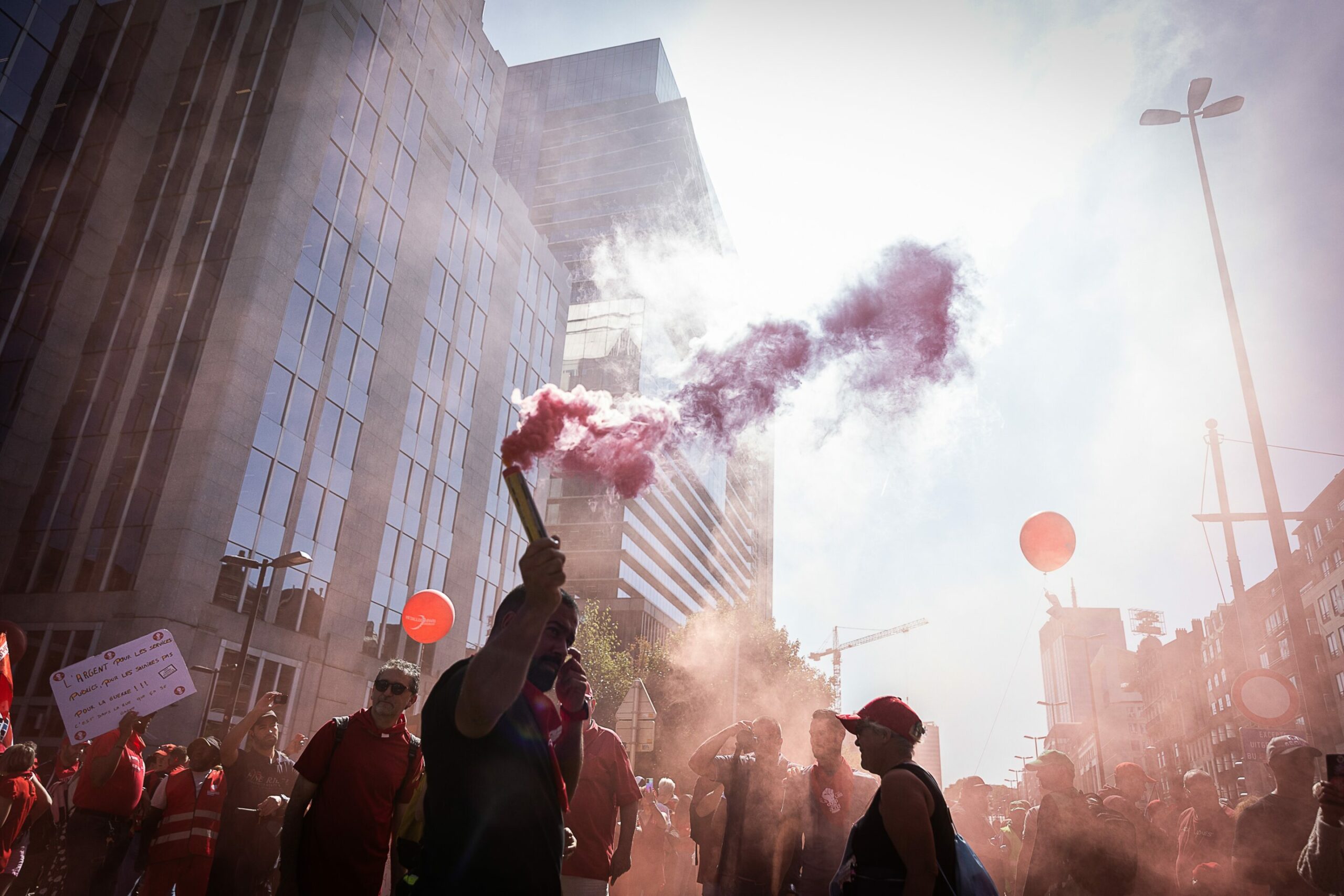
Members of the trade unions gather for a demonstration in Brussels against the Arizona government's public spending cuts, on Wednesday 25 June 2025 in Brussels. Credit: Belga
French-speaking centre-right liberals MR have also joined Les Engagés inside the Federal Government coalition to resolutely call for measures.
On late Thursday morning, MR even held a press conference to "demand" a solution by Friday, when the Federal Government's core cabinet is meeting, to consider using the state's "surplus power" to provide relief for consumers.
Both want the activation of the "reverse ratchet mechanism" to slow the rise in prices at the pump. This involves lowering fuel excise duties when prices rise. It can also be used to tackle inflationary shocks.
The Belgian Prime Minister Bart De Wever (N-VA), however, has shown himself to be reluctant to introduce new support measures to ease rising energy costs. This is despite admitting that Belgium "is particularly exposed to the economic fallout" from the ongoing war in the Middle East in a parliamentary committee last week.
Before the Iran war, De Wever had come out against the European Green Deal and its prioritisation of renewable energy, which he said made everything more expensive and harmed the European economy. Yet, since the start of the war, there have been renewed calls to move away from fossil fuels to avoid this situation.
Speaking in Parliament on Thursday, he showed no willingness to introduce measures that would immediately lower energy prices. According to De Wever – and contrary to comments heard even within the coalition – the rise in prices does not create financial margins that would allow the state to intervene.
If there is to be any intervention, it must be structural and fit within a European framework, he stressed.
No budget to help people
The Governor of the National Bank, Pierre Wunsch, echoed the Prime Minister’s sentiment by once again alluding to Belgium’s budgetary issues.
Speaking on Thursday morning on RTBF’s radio, Wunsch reiterated that Belgium no longer has the same room for manoeuvre as before Russia's invasion of Ukraine, and cannot afford to heavily subsidise consumption.
"This is probably the first time in a long while that we are facing a crisis with a deficit that is already far too high – unsustainable, in fact," he explained. "The way we were able to absorb the shock and help people, in the face of the Ukraine crisis, Covid-19, and so on – we no longer have the money to absorb the shock through public finances."
He did not rule out "highly-targeted aid for vulnerable sections of the population, on a limited basis", although he noted that the social tariff already fulfils this role.
However, there is "no longer the room for manoeuvre", and in any case, he says Belgium must not go beyond offsetting the VAT increase that ends up in the state coffers.
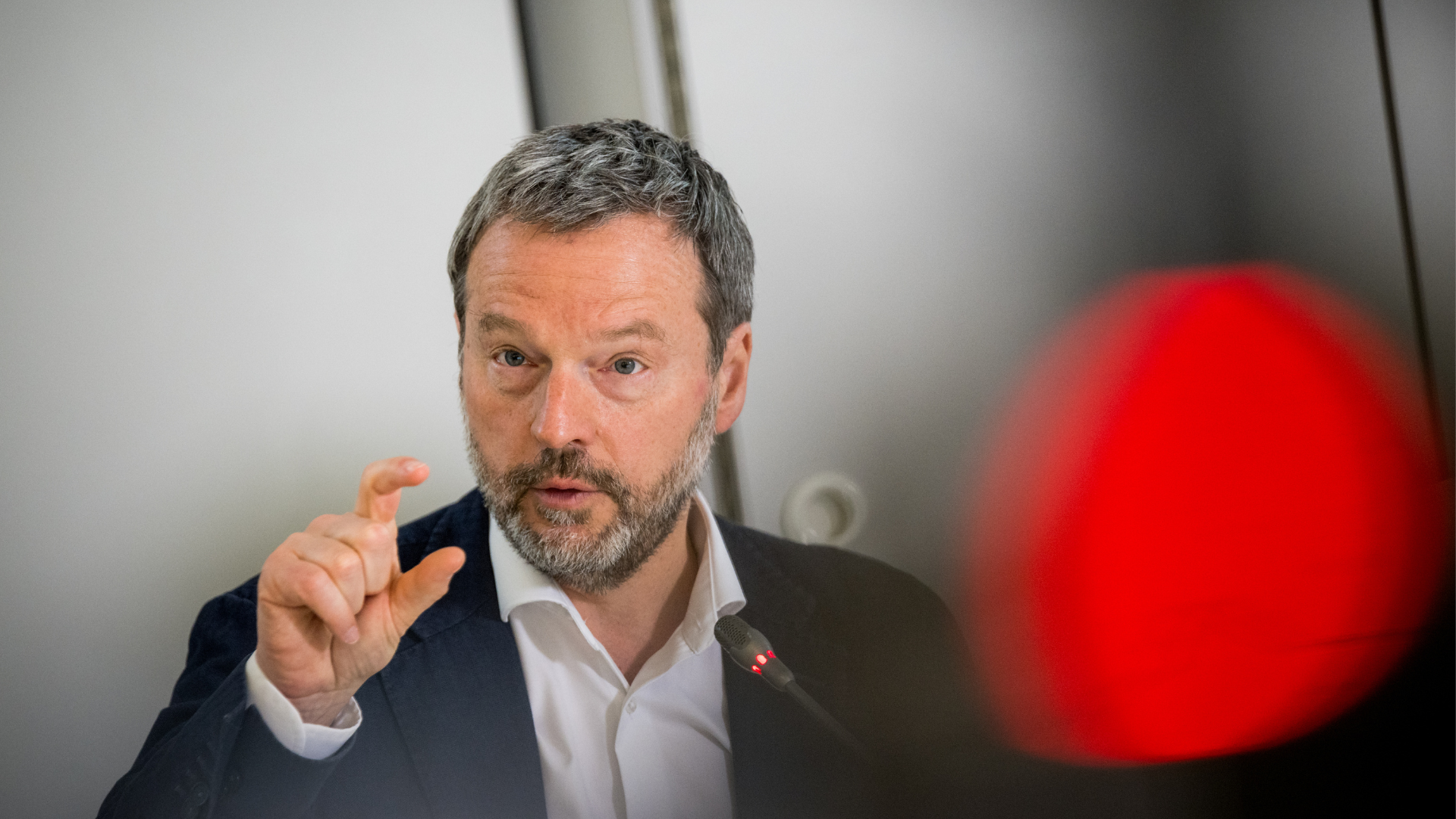
National Bank (NBB) Governor Pierre Wunsch pictured during a press conference. Credit: Belga/Jasper Jacobs
"There is a shortage of gas and oil. If everyone provides subsidies so that we continue to consume as much [as before], we are adding fuel to the fire, and the money will go into the producers’ pockets," Wunsch further explains.
"There is a certain capacity to absorb the shock" on the part of the population, he notes, pointing to recent data linking working from home to having strong effects to reduce consumption. "We must take measures to reduce demand: either let prices rise, or lower the temperature in buildings, encourage working from home, etc."
According to an analysis by KBC Bank, Belgium is particularly exposed to global oil price shocks, given that it has a larger share of fossil fuels and energy imports than the EU average. It also has high per‑capita household energy use and high energy intensity, while being an important gas transit hub as well, making it further vulnerable to global shocks.
