
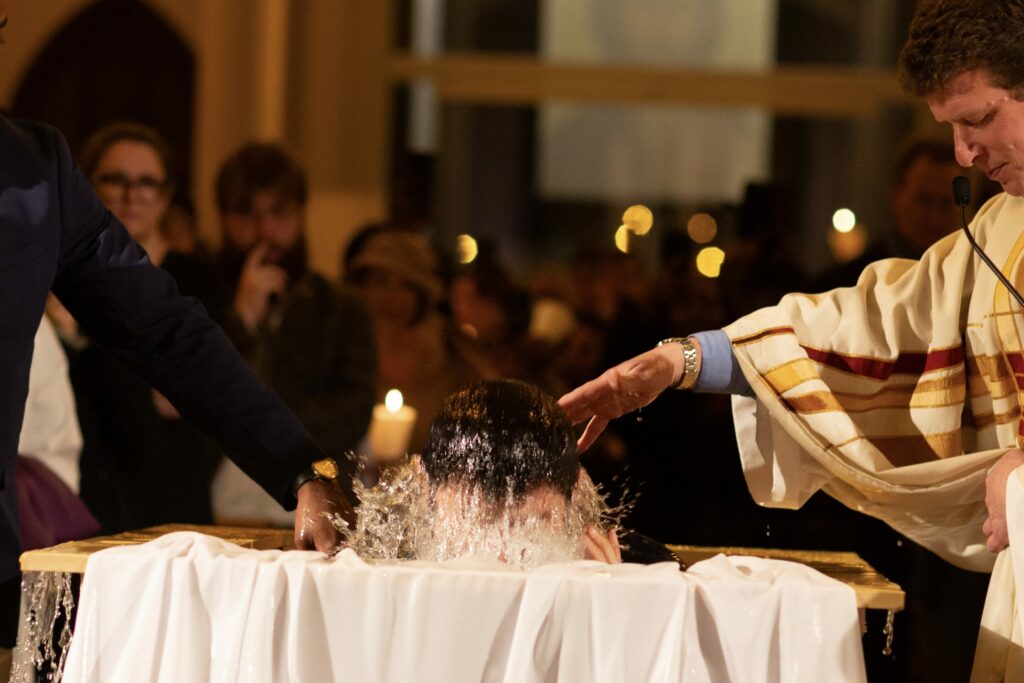
On Easter weekend, as churches filled for one of Christianity's oldest rituals, a small but growing number of Belgian adults took their first Eucharist.
Although Belgium is seen as a Catholic country, today, Belgian society is one of the most secular in Europe. Only a fraction of Belgians engage in Catholic rituals.
In 2025, 30% of newborns were baptised in the country, compared to 95% 50 years ago. Requests for apostasy – a formal declaration of departure from the Church – have surged, reaching more than 14,000 in 2023, mainly after Pope Francis' visit and his controversial remarks on women and abortion.
But some people are bucking that trend. This Saturday in Belgium, 700 adults were baptised, 160 more than in 2025 and 336 more than in 2024. The number has nearly tripled in the last decade.
A faith no longer inherited
Father Elie is responsible for baptising some of the adults in Brussels this year. Speaking to The Brussels Times, he said that adult baptism is "not a return to church"; it is more to do with faith no longer being inherited. "They are people who were never really part of it to begin with," he said.
Many Catholic converts grew up in secular or loosely religious households, while others grew up in households of other religions. Newcomers are accompanied for almost two years through what is known as catechumenate (a period of instruction) before being baptised.
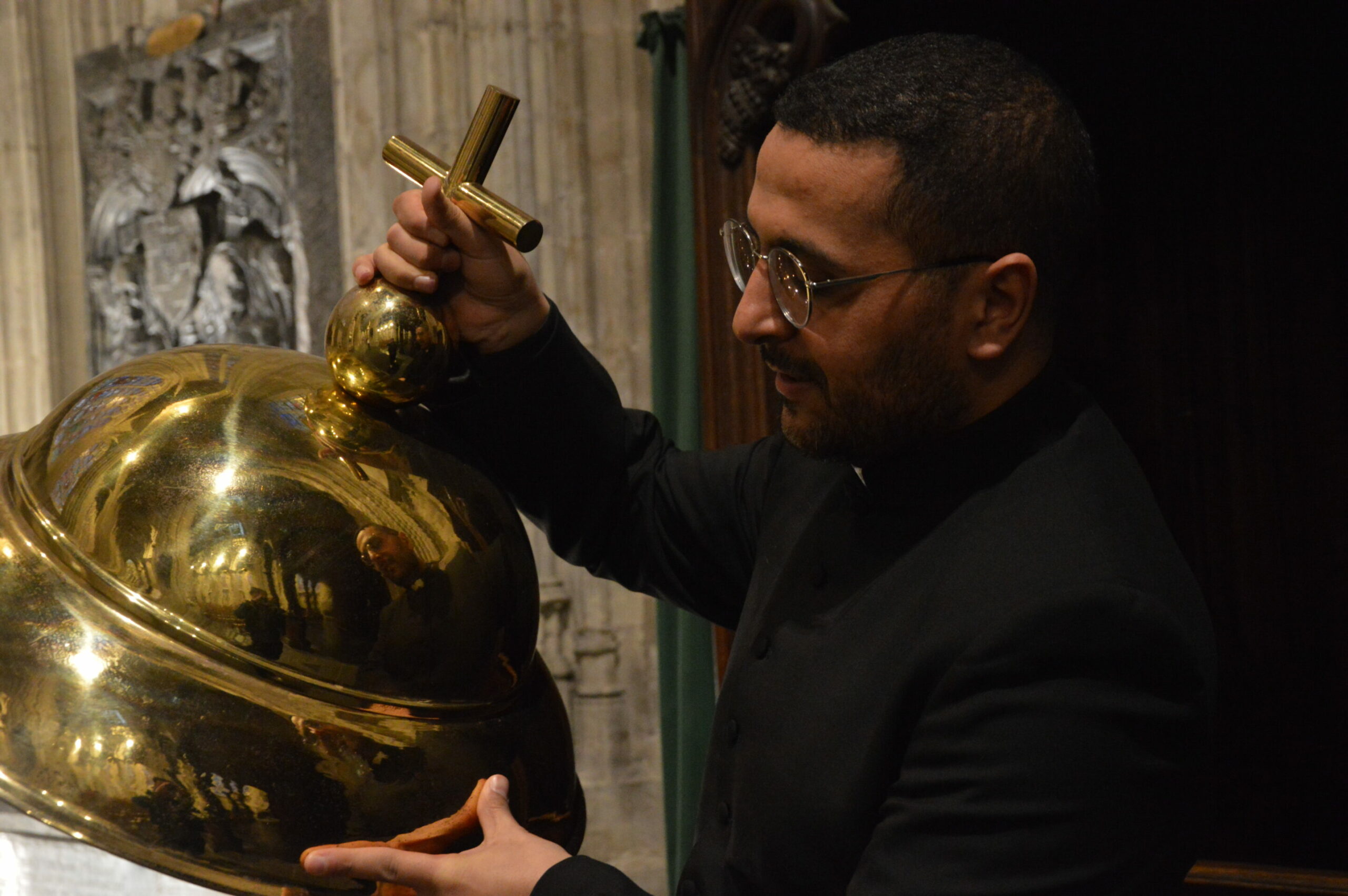
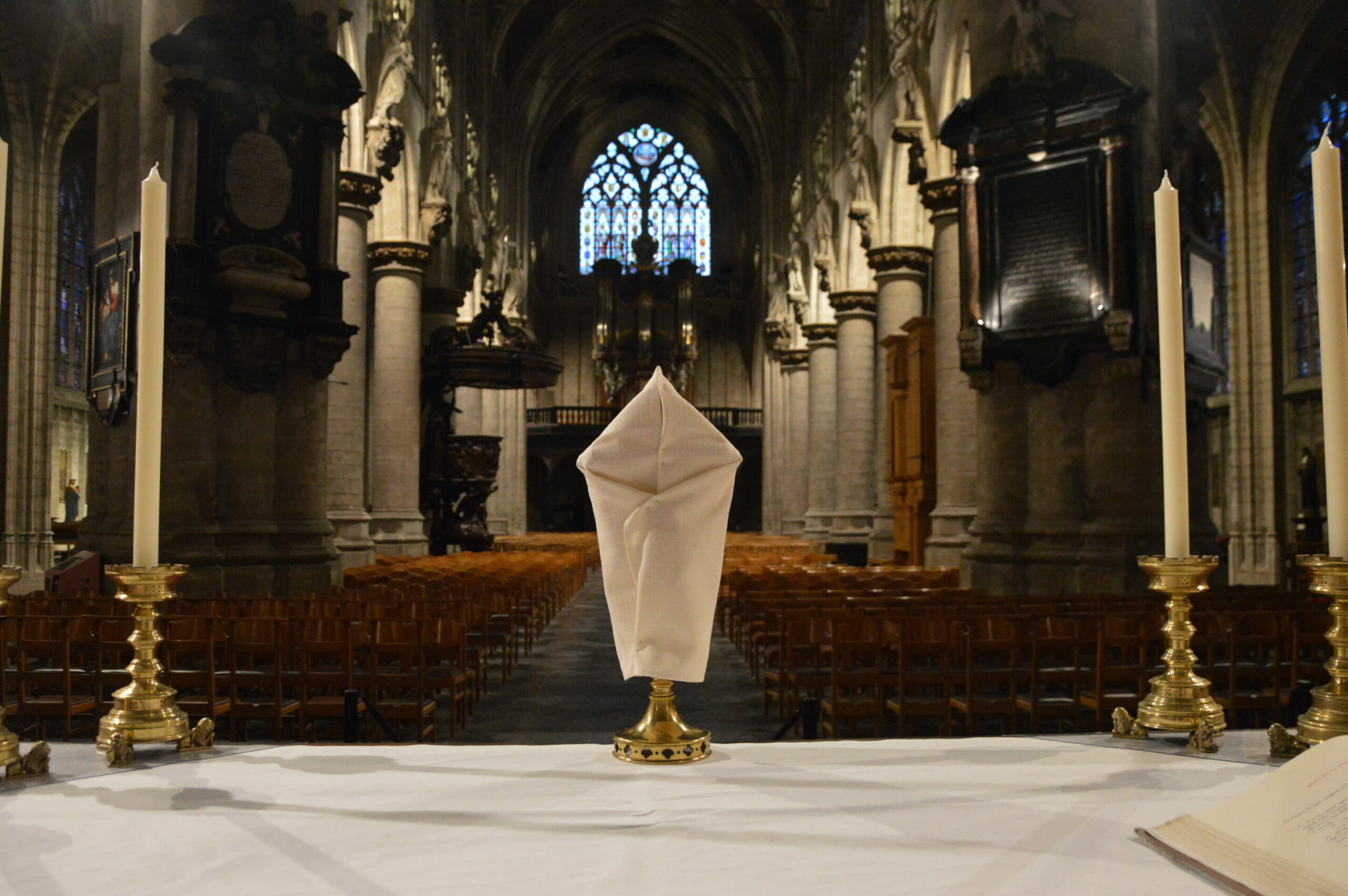
Father Elie is Lebanese and responsible for the baptism of newcomers in Saint-Michel-et-Gudule church in Brussels. Credit: The Brussels Times/Anas El Baye
Zineb, 23, was baptised this Saturday. She was born into a Muslim Algerian family that is still not aware of her new faith. "I prayed five times a day, I fasted during Ramadan. That was my life," she told The Brussels Times.
"What struck me most was the idea of forgiveness. Islam felt like a system of weights; if your bad deeds outweigh the good, you go to hell. If not, you go to heaven. The idea that God died for you; you do not have to prove yourself constantly was a relief."
Jade, another recent convert, can pinpoint the day when it all changed for her. On 26 September 2024, she prayed in bed for the first time in "a real way" and experienced what she describes as a "sudden, overwhelming conversion".
Having grown up in a family that had almost no real contact with faith beyond weddings, baptisms and funerals, she claims that for the first time, she "knew" who God was, and could "no longer pretend as if nothing had happened".
At home, discussions about God were also shaped by suffering, especially the severe disability of her younger brother, caused by medical errors, which made belief difficult to understand.
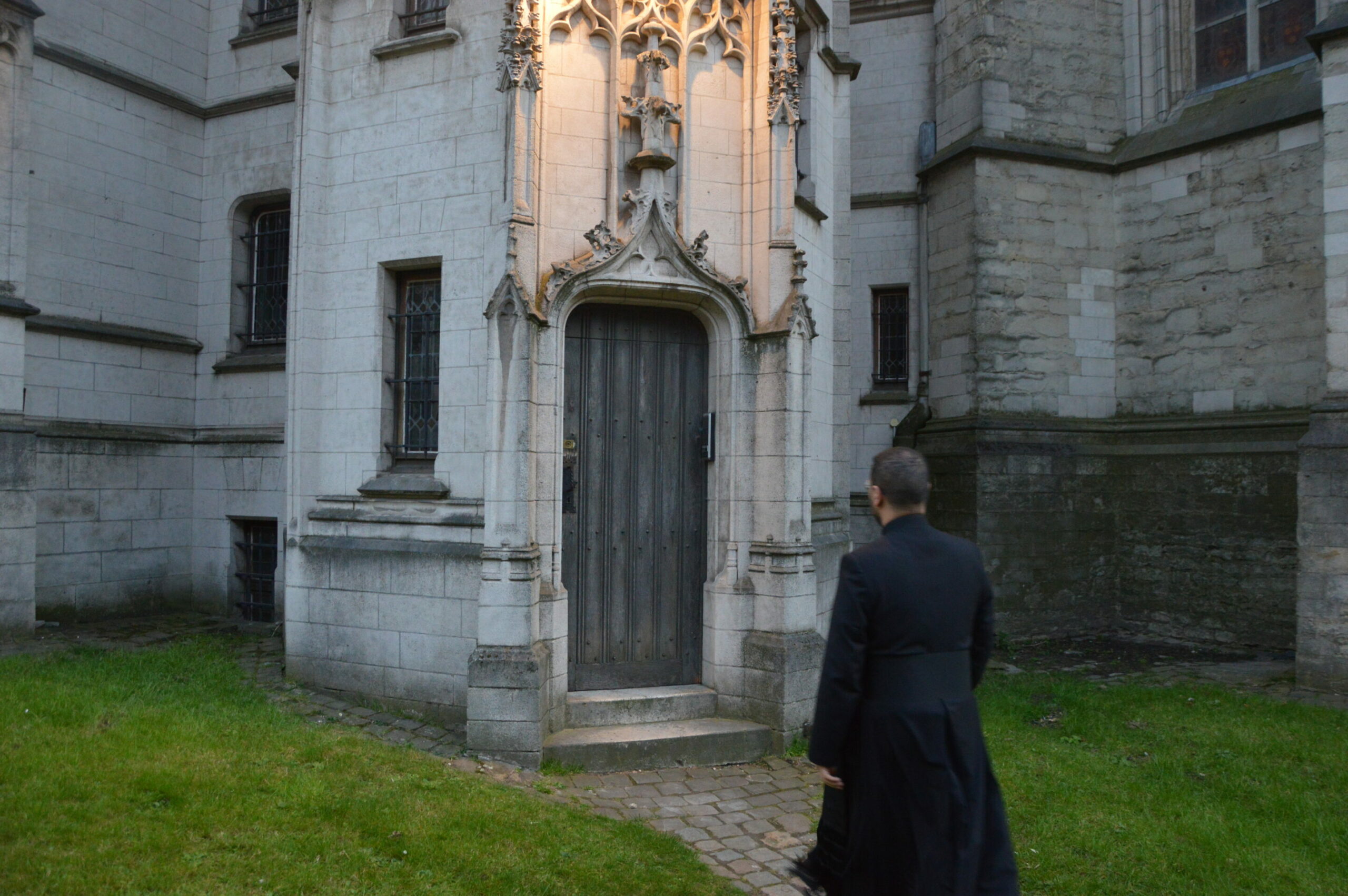
Father Elie also works in several other churches across Brussels, including Sablon church. Credit: The Brussels Times/Anas El Baye
Addressing the elephant in the room
Former professor of canon law and ex-rector of KU Leuven, Rik Torfs, told RTBF that adult baptism is a relatively discreet phenomenon, but one that is steadily growing in response to the secularisation of society, as people "seek something beyond everyday life".
"We are seeing the same trend in the Netherlands, which is an even more secularised country," Torfs added.
But why would adults choose the Catholic church specifically, despite decades of widely publicised abuse scandals?
Jade says she was "not choosing an institution, but choosing God" and claims the Catholic Church's structure, universality and well-developed catechism helped her.
"Catholicism offers a clear framework for faith," she said, while acknowledging the Church’s flaws, including its well-documented institutional failures to deal with abuse scandals, adding that "no religious tradition is without contradictions".
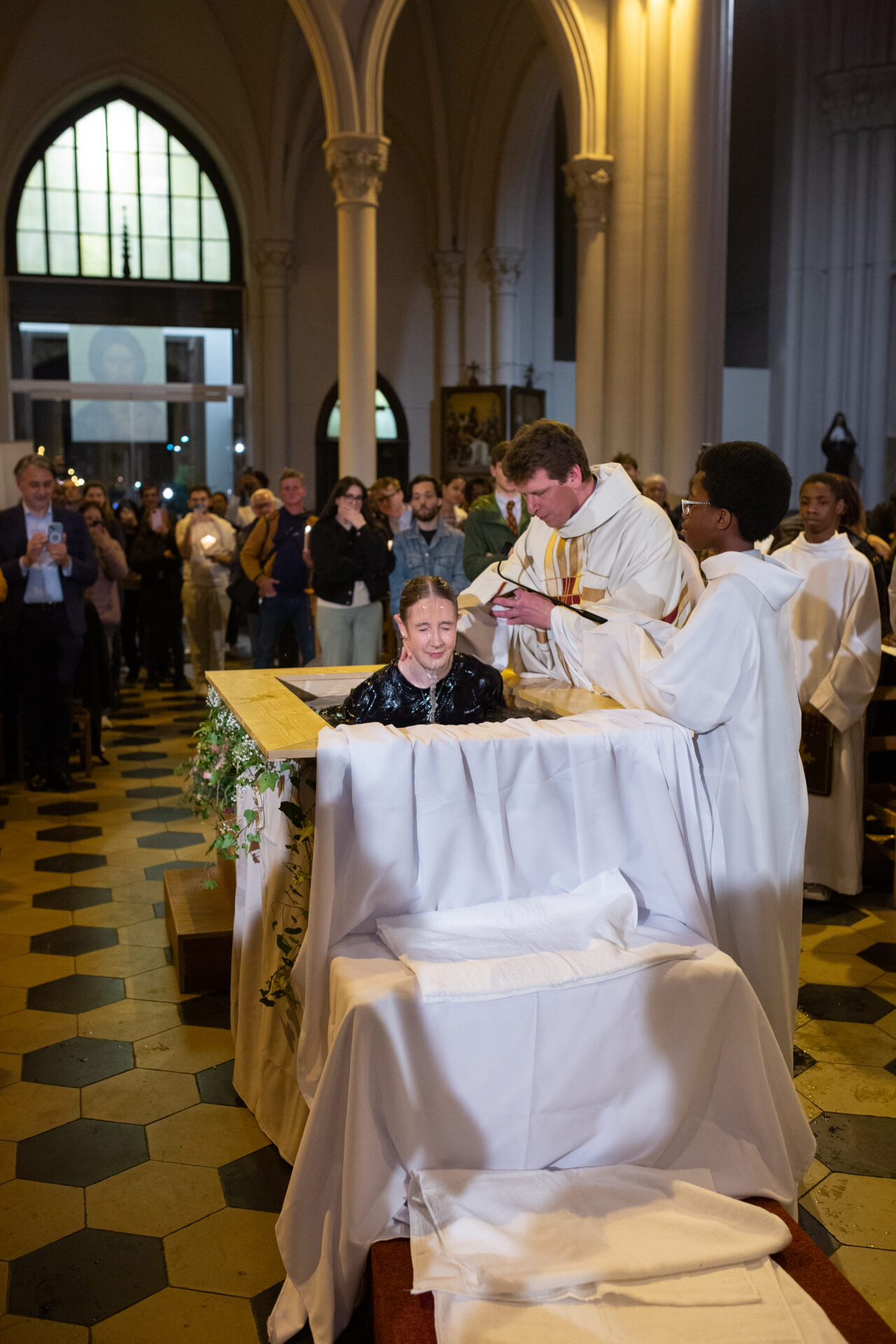
Crowds gather outside with torches to celebrate new Catholics in Saint-Croix church in Flagey. Credit: Adrien Petit.
For Zineb, there is no question that the Catholic Church has had cases of sexual abuse, which have deeply damaged its credibility. But for her, these failings do not invalidate the faith itself. She sees them as the result of human wrongdoing rather than something inherent to Christianity.
Abuse, she argues, exists across institutions and religions, and should not be used to dismiss belief altogether. In her view, the distinction is clear: the Church as an institution can fail, but that does not undermine what she describes as a "personal encounter with God".
Treating statistics with caution
But the new fervour among some young adults does not necessarily signal a revival of the Catholic Church. "Social media can reach people with relatively short and often shallow messages. New converts will still need to engage more deeply with the Church and other believers," explained Torfs.
These newly baptised adults, he adds, "do not know the Church very well. They do not have the same background as their parents. Some do not attend Mass every Sunday. There is a certain distance between new baptised members and the institutional Church."
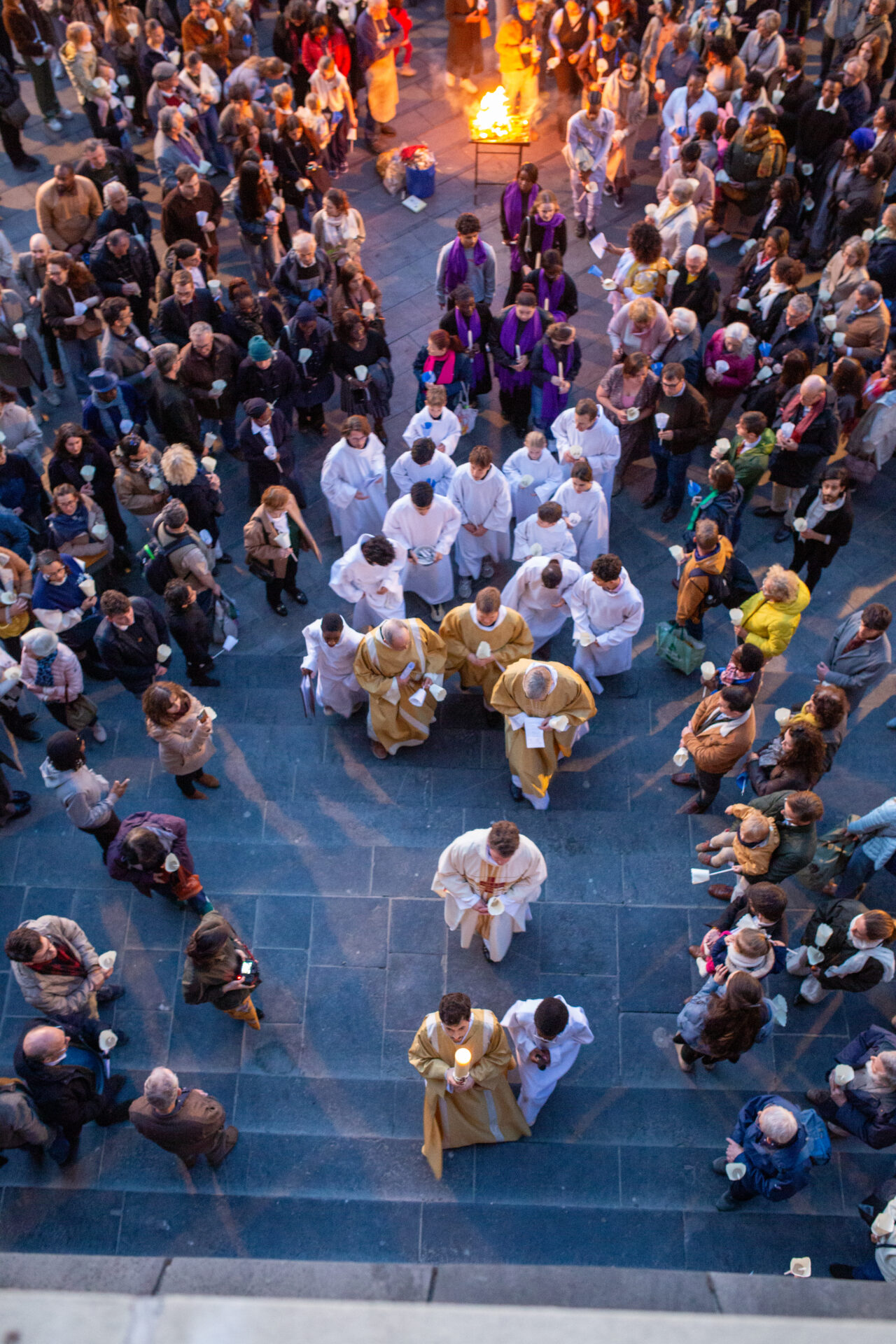
Crowds gather outside with torches to celebrate new Catholics in Saint-Croix church in Flagey. Credit: Adrien Petit
At the same time, this reflects a more "personal and deliberate choice" to join the Church, he argues.
Historian Anne Morelli told RTBF that "in the past, baptism was automatic at birth. These 700 people do not make up for the growing number of unbaptised individuals and those formally leaving the Church each year."
The record figure should therefore be treated with caution. Morelli explains that in previous generations, young adults who discovered faith later in life did not need to be baptised, because they had already been baptised as children.
Credit: The Brussels Times/Anas El Baye
