
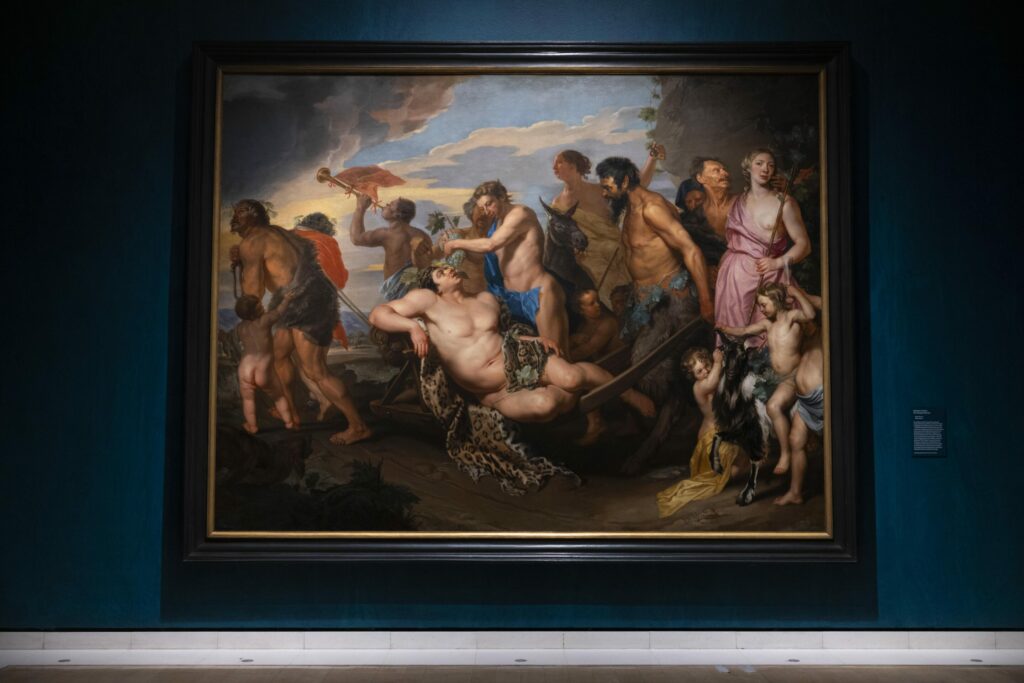
Michaelina Wautier, whose work was forgotten for centuries, is finally getting the recognition she is due as one of the finest artists of the Flemish Baroque — with a major new exhibition dedicated to her at London’s Royal Academy.
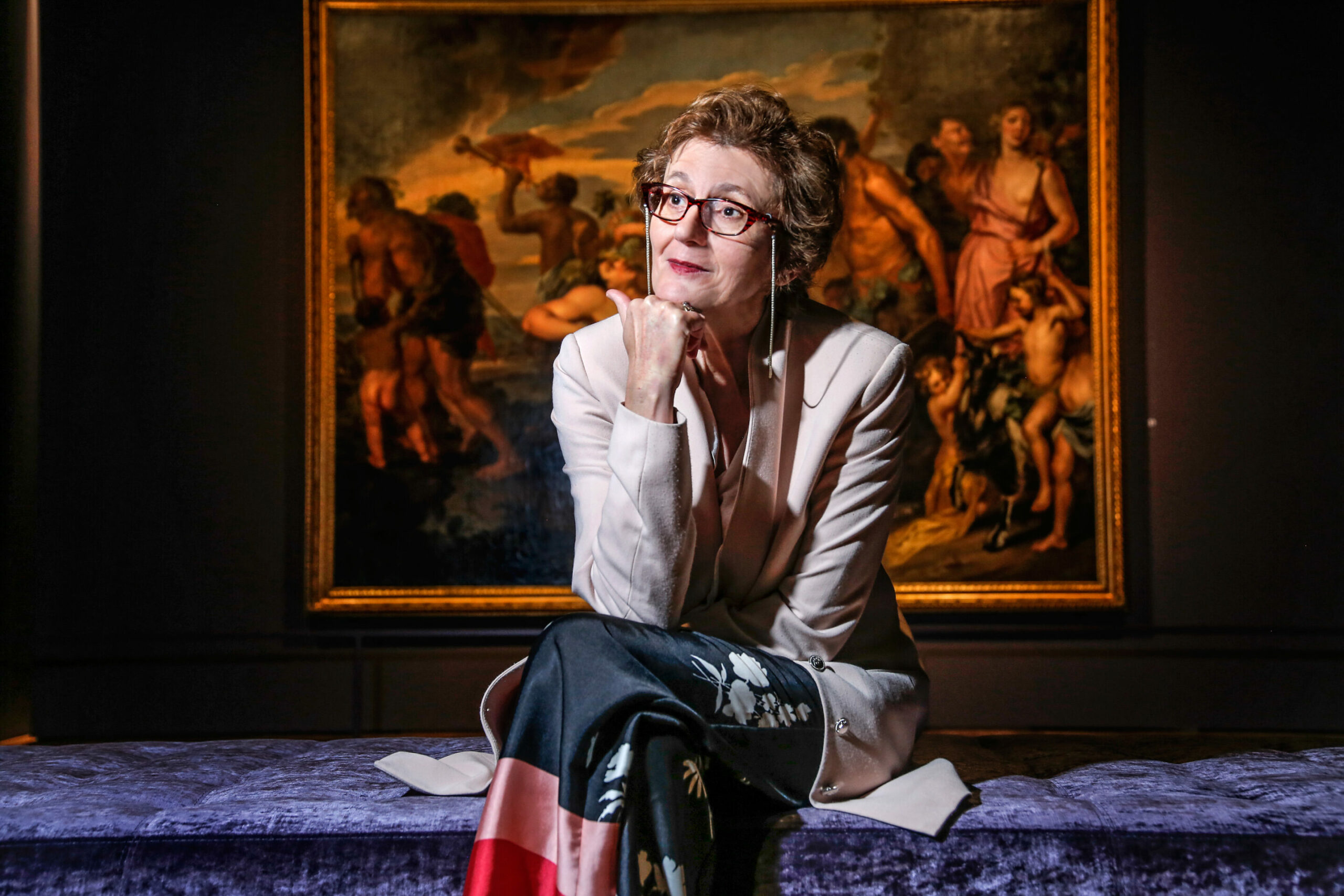
“She is an absolute star,” says Katlijne Van der Stighelen, the Belgian art historian who re-discovered the trailblazing 17th century Brussels painter in the early Nineties after chancing upon one of her finest pieces, “The Triumph of Bacchus”, in a Vienna museum storeroom.
Despite the painting being correctly catalogued by its original owner, a former director of the museum refused to believe a woman could be capable of such “highly vigorous” work and labelled it as being by an “unknown Flemish master”.
Van der Stighelen, emeritus professor at KU Leuven, has since probably done more than anyone to bring Wautier to worldwide attention. “Everyone is now looking for paintings by her, especially art dealers with the profits to be made, ” she laughs.
Credit: Royal Academy of Arts
In her day, Wautier rivalled her more famous male contemporaries such as Rubens and Anthony Van Dyck. “I don’t like to rank artists but, yes, she’s up there in the premier league,” says Van der Stighelen. “She must have seen Rubens and Van Dyck’s paintings — they were everywhere in Antwerp at the time — but she developed her own style. It’s much more intimate and captivating.
“No one else had her versatility. Like her contemporaries, she did portraits, history paintings and still lives. But I don’t know of anyone else who would paint a still life within a history painting. Or she’d paint flowers but then add the skulls of oxen to express vanity and the transience of life at the same time. Everyone will say I’m biased but she was an absolute exception to the rules.”
Van der Stighelen is thrilled that Wautier is geting the five-star treatment from the Royal Academy following a show at Vienna’s Kunsthistorisches Museum. Both exhibitions were curated by her friend Gerlinde Gruber.
“The exhibition in Vienna was terrific, supported with additional works inspired by the paintings, and had 150,000 visitors. But London is London. I’ve already seen it and it’s really amazing and quite overwhelming. ”
So who was Michaelina Wautier?
Born into a relatively wealthy family in Mons around 1614, she was one of seven children produced from her father Charles’ second marriage to Jenne George (he also had five children with his first wife). Jenne was widowed while Michaelina was still very young and, unusually for the period, did not re-marry.
Van der Stighelen believes this is significant. “I’m sure her mother must have played an important role in developing Michaelina’s interest in art.”
Credit: David Parry/Royal Academy of Arts
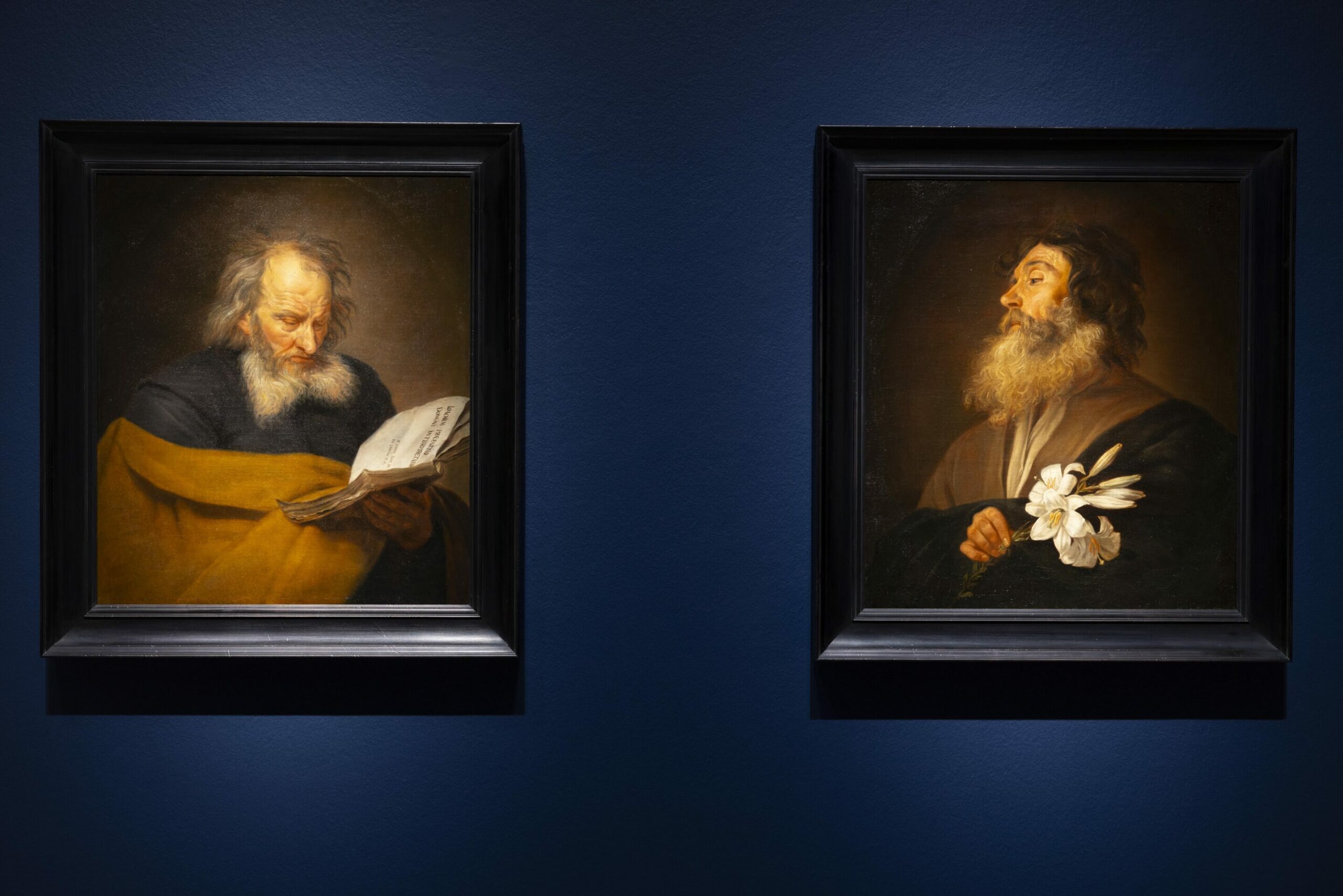
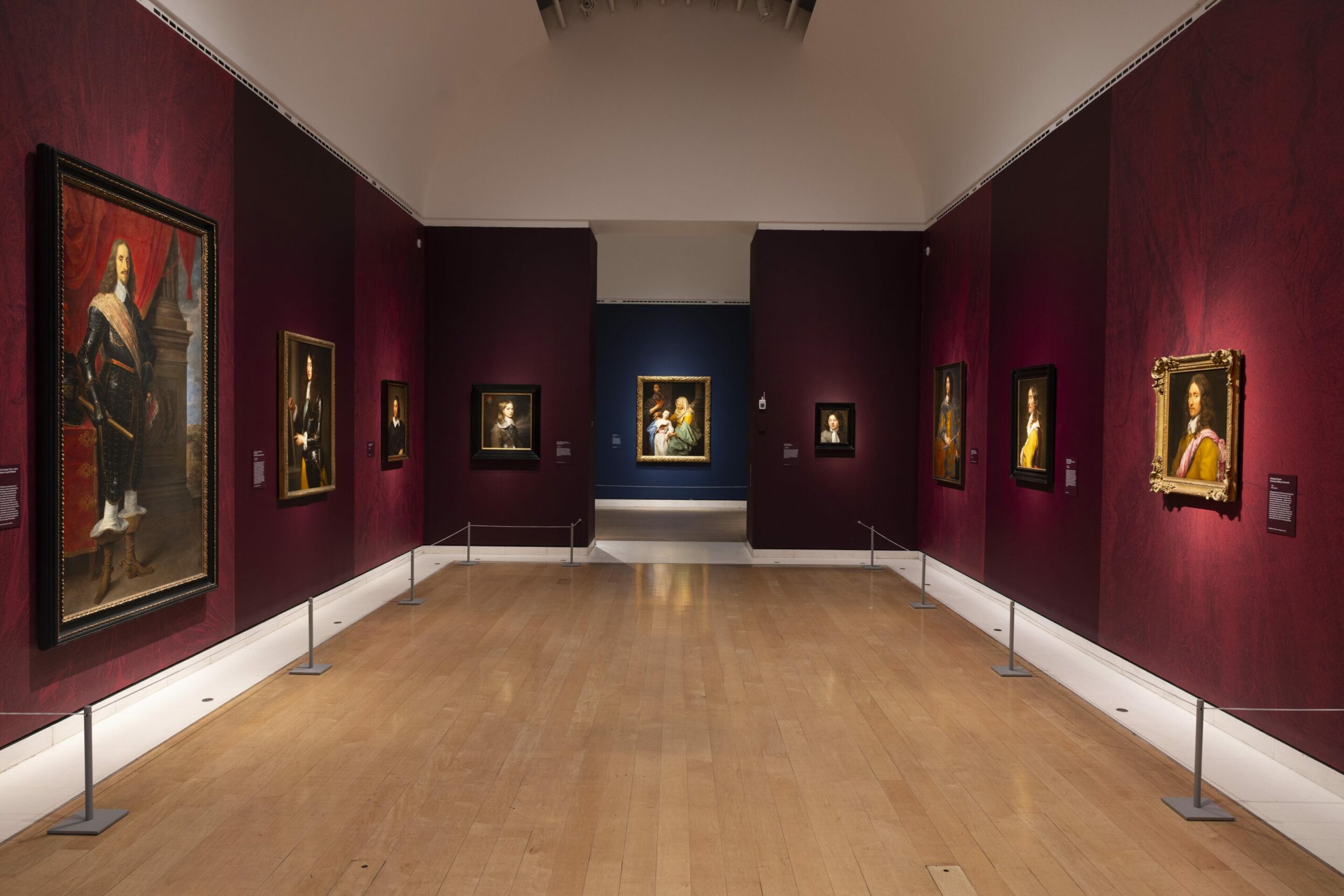
It is not known where Wautier trained but it could have been with her older brother Charles, who was also an artist. Some of his works are being shown alongside hers in the Royal Academy exhibition, even if they are not of quite the same quality.
One of Charles’s earlier works depicted Archduke Leopold Wilhelm of Habsburg, the governor of the Low Countries whose court was in Brussels. The Archduke also commissioned works by his sister, including “The Triumph of Bacchus” in which Wautier depicted herself in a ‘portrait historié’, looking at the viewer and ignoring the lecherous advances of a man next to her. Van der Stighelen describes the work as a “magisterial”.
Only 35 paintings by Wautier are still known to exist today. “The only reason is because of two pieces of surviving documentation: a copper engraving of one of her lost artworks and the entries in Archduke Leopold’s inventory,” she says.
Of those paintings, Wautier signed only half. “I often have to explain to my students that paintings only began to be signed systematically from the 19th century. Rubens made 2,000-3000 paintings and signed about 12, adds Van der Stighelen.
Credit: David Parry/Royal Academy of Arts
Her personal favourites among Wautier’s works include “Five Senses” (“it’s exceptional”), based on a theme explored a decade earlier by David Teniers the Younger, although hers feature boys rather than men, and “Two Girls As Saint Agnes and Saint Dorothea”, life-sized portraits in vivid colours currently on show as part of the Unforgettable: Women Artists from Antwerp to Amsterdam exhibition at the Museum of Fine Arts Ghent (MSK).
Van der Stighelen, who lives in Boutersem, halfway between Leuven and Tienen, will not be able to resist another peek at the Royal Academy show and her favourite artist when she returns to London later this month to give a lecture at the residence of the Belgian Ambassador.
'Michaelina Wautier’ is showing at the Royal Academy in London until 21 June 2026
