

Parents in Belgium are being advised by health authorities to protect their children against common substances known to disrupt hormonal systems.
Endocrine disruptors (EDs) are substances that can interfere with the hormonal system, which regulates bodily functions such as sleep, appetite, and growth.
Exposure to EDs is linked to several health issues, such as diabetes, cancer, brain development disorders, asthma, and cardiovascular diseases. There is a risk that the associated health effects can be passed on from an affected person to their children or grandchildren.
The disruptors are found in the environment and in everyday products, including food, toys, textiles, and cosmetic products. Exposure to EDs can happen through the air, through ingesting products with EDs, or through skin contact.
Several tips and guidelines to protect young children were issued in Belgium earlier this month as part of an awareness campaign by the Belgian health authorities in collaboration with the regions and language communities.
Who is at risk?
The risk that EDs pose varies depending on the nature of the substance, the duration of exposure, and the period of life during which someone is in contact with them.
These disruptors are likely to have more serious consequences if exposure occurs during periods of life when hormones play a more crucial role. An example is a growing foetus, which can be exposed to EDs by its mother through the placenta.
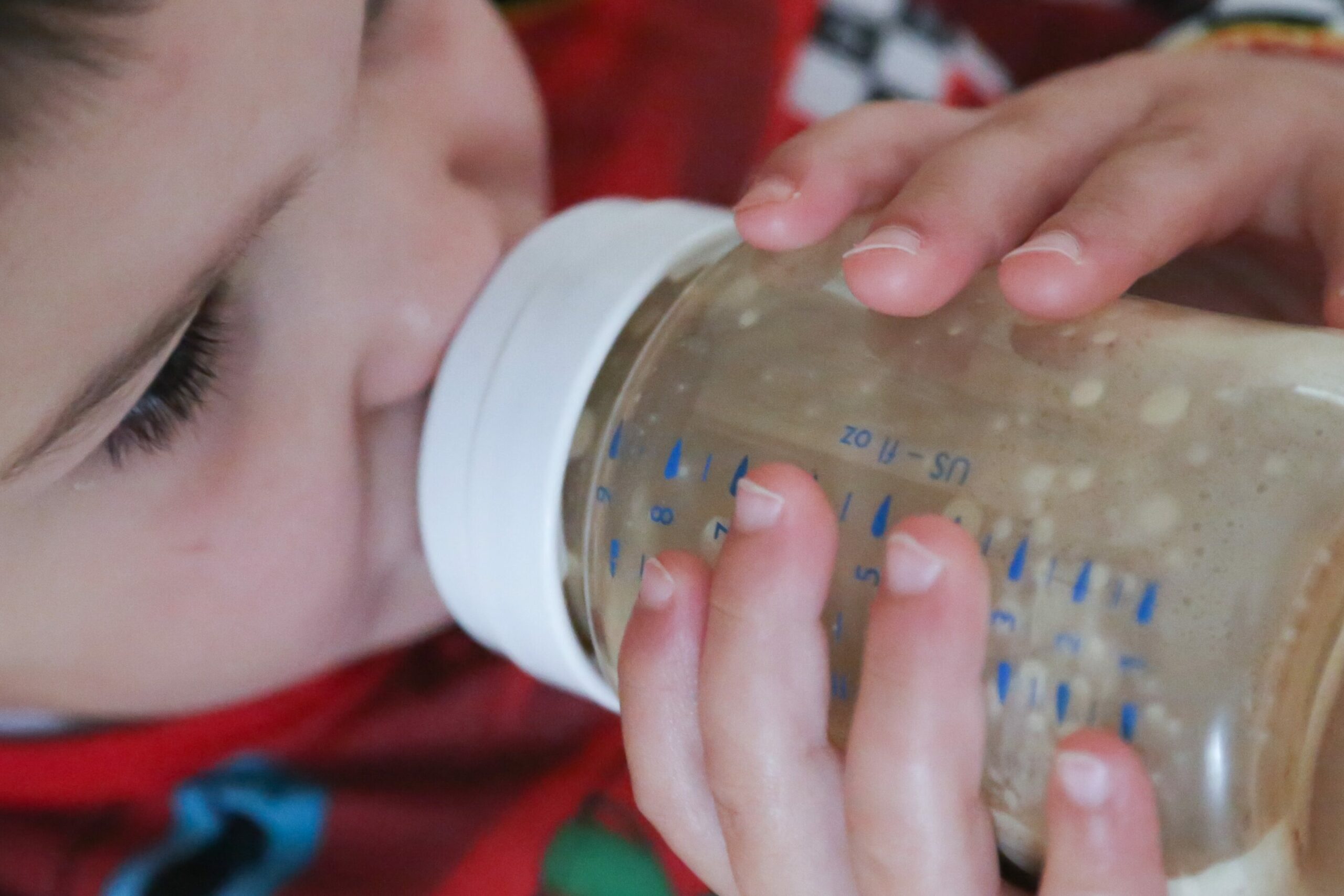
Illustrative image of a toddler drinking milk. Credit: Belga/Bruno Fahy
In addition, young children, particularly up to two years old, as well as teenagers, who are going through hormonal changes, are considered to be more vulnerable to EDs.
Others who are more at risk include those with a history of hormone-dependent cancers, those who are undergoing chemotherapy or hormone therapy, and people who live near polluted areas or are likely to be exposed to high levels of EDs due to their occupation.
Tips to protect babies and children
Authorities have issued several recommendations to protect children, including limiting the use of plastic tableware and instead using stainless steel, unpainted porcelain or glass tableware.
“Harmful substances can leach into your baby’s food, especially when the meal is hot,” the health authorities explained in a statement.
Similar guidelines apply when cooking or storing food, as using glass dishes, stainless steel pans, and unpainted porcelain is advised. Glass bottles should also be used when possible instead of plastic ones.
Furthermore, new bottles and teats should be washed in hot water, and teats should also be replaced immediately once they are damaged.
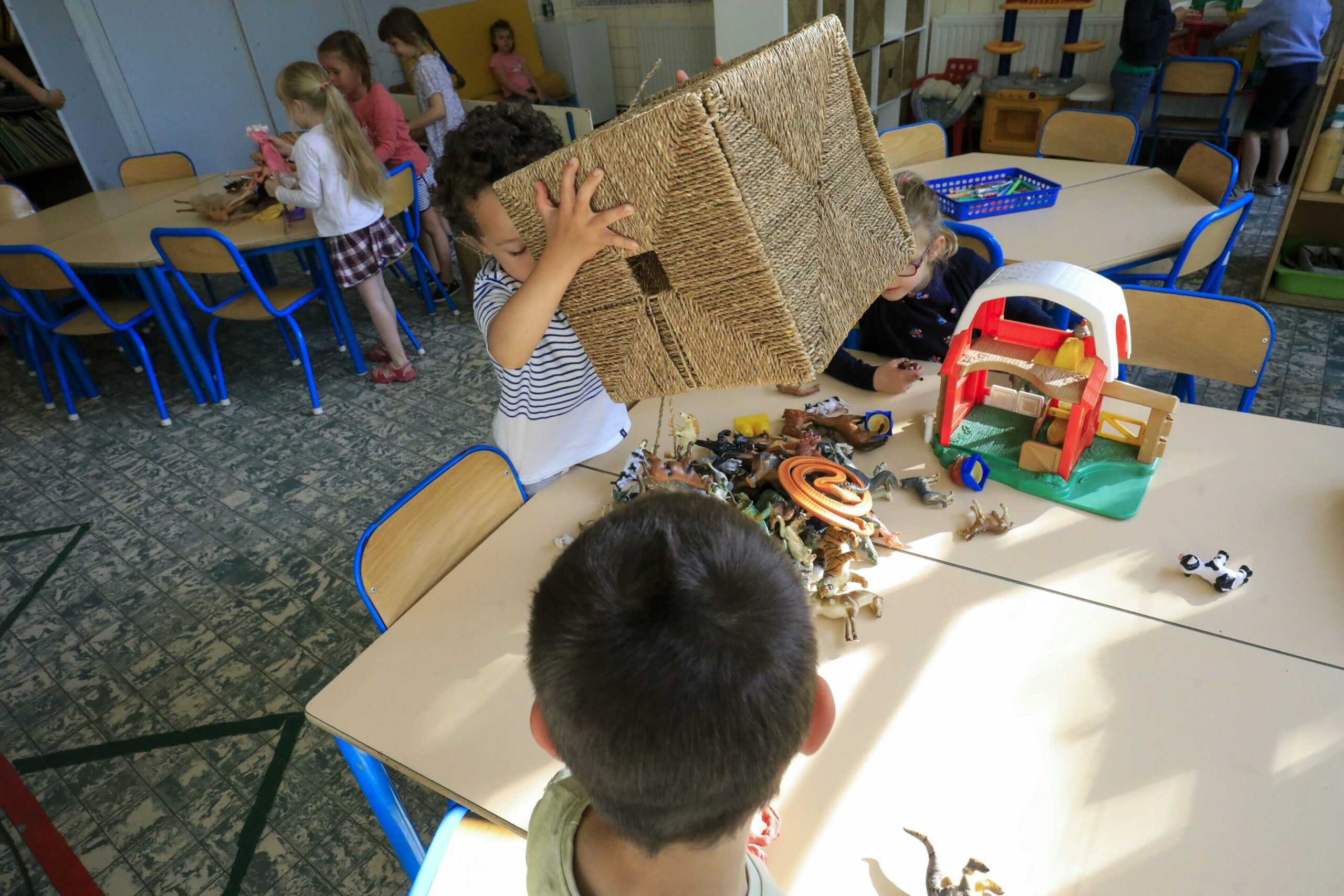
Illustrative image of children playing with toys. Credit: Belga/Thierry Roge
Regarding toys, it is advised to air out new toys and wash them in hot water, or a clean, damp cloth if the toys are electronic.
Additionally, health authorities recommend choosing toys made from natural materials, such as wood, cotton, linen, or wool, and limiting the use of scented and plastic toys.
It is further recommended to avoid using wet wipes where possible on babies and instead use water, a washcloth, and an unscented bar soap to clean them.
Moreover, parents should avoid exposing their babies to perfumes and limit the use of air fresheners, scented candles, fragrant diffusers and essential oils.
Tips during pregnancy
As unborn babies can be exposed to EDs through their mother's bloodstream, Belgian health authorities also recommend several habits to incorporate and avoid while pregnant.
It is recommended to avoid reheating food in plastic containers and not use non-stick pans, saucepans and utensils once their coating is damaged.
It is further advised to opt for fragrance-free products and to avoid using unnecessary cosmetics, such as nail varnish.
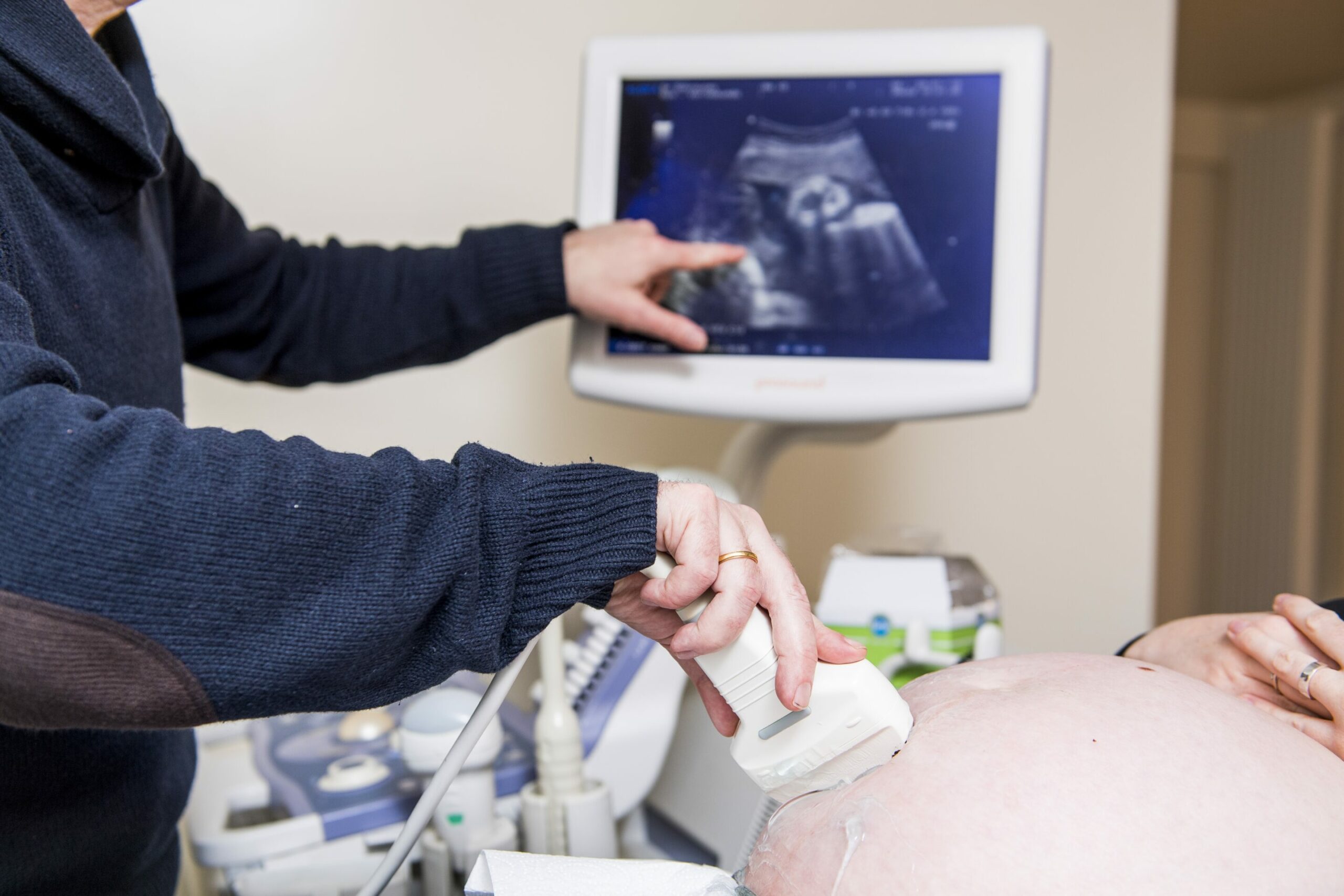
Illustrative image of a pregnant woman at an ultrasound appointment. Credit: Belga/Jasper Jacobs
Additionally, homes should be ventilated twice a day for at least 15 minutes, and the use of air fresheners should be limited.
Regarding cleaning, it is recommended to use products with the EU Ecolabel, which indicates that they meet certain criteria that take into account the use of harmful substances, among other things.
The Belgian health authorities further advise asking employers about their prevention policy regarding possible work-related EDs.
Labels and national plans
In Belgium, a National Action Plan on Endocrine Disruptors (NAPED) has been adopted at a federal, regional, and local level to reduce the exposure to EDs.
The NAPED outlines, among other things, measures to protect workers at risk and contributions to European projects that help consumers determine the risk of using certain products.
An example is the Scan4chem mobile app, which allows European consumers to identify the presence of harmful substances in a product by scanning its barcode or searching for the product.
An overview of substances identified as EDs in Europe is available online.
Related News
- Food safety in Belgium: Concerns over budget cuts amid record complaints
- Tick season in Belgium: What do you need to know?
- Man claimed he was made to 'say goodbye too soon' because Belgium's euthanasia laws are outdated
- 'I've started to dread going to bed': Expert tips on getting a good night's sleep
