
Good afternoon from Avenue Louise.
Katie Westwood here, happy to be back in the temperate climes of Belgium after a few days broiling in the south of France.
Today’s big question is: how prepared are you to deal with a crisis?
Many of the immigrants and expats reading this will be skilled stockpilers. As a British nomad abroad, I have an impressive stash of teabags and digestive biscuits to give me a daily taste of home and help me calmly face the apocalypse.
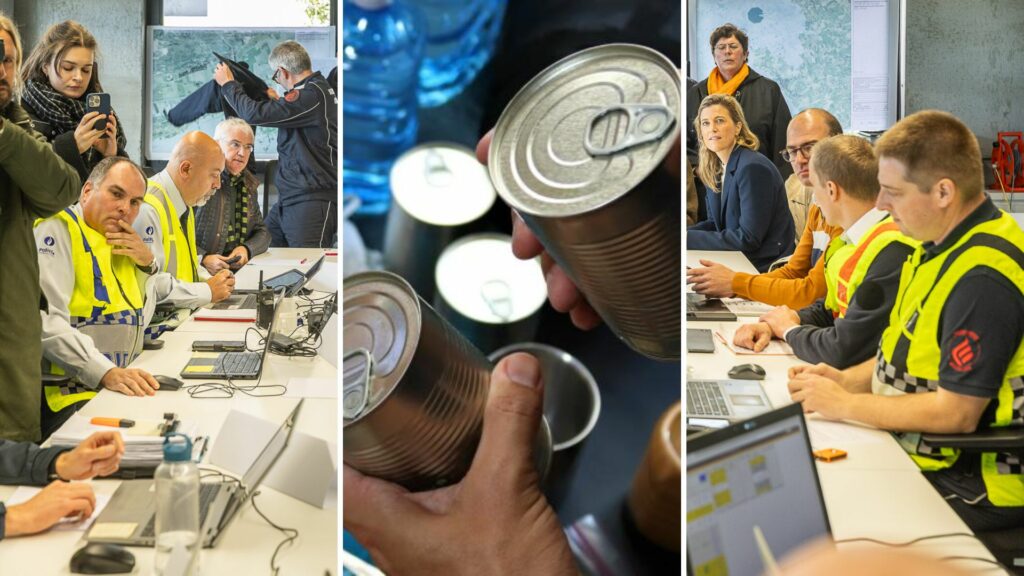
After reading today’s lead story, I’ve decided to expand my stockpile. Belgium's Federal Government has provided a handy list of items for people to include in an emergency kit, including a torch, a lighter and copious amounts of bottled water.
As our Political Editor Maïthé Chini explains, the government wants people to be ready to deal with any kind of crisis – and aims to prepare them to “cope independently” for 72 hours, come what may.
Speaking yesterday, Interior Minister Bernard Quintin (MR) said “there is certainly no need to panic” but emphasised that Belgians need to be shaken out of their complacency on civil preparedness.
We are, after all, light-years behind the Nordic nations on this. Just look at the calm simplicity of the Swedish public information pamphlet 'In case of crisis or war', which was delivered to every Swedish household from 1943 to 1991 and then revived in 2018.
Next up: a more immediate crisis. With energy prices still eyewateringly high as a result of the conflict in the Middle East, the Federal Government has finally agreed to a series of measures to support people through the worst of it.
Maïthé has written a useful overview of the new measures and what they will entail. Get the full picture here.
Elsewhere on the website, Brussels philosopher Philippe Van Parijs has written a fascinating piece on multilingualism in the Belgian capital. Philippe points out that, at the start of the Multilingualism Week he helped organise in early February, Brussels had a minister for the promotion of multilingualism, but by the end of it, the post had been scrapped.
Lamenting this development, he makes a passionate case for multilingualism in the city: “Just as knowledge of Dutch and French is part of the Flemish and Walloon identity, respectively, multilingualism is henceforth a central part of who we Brusselers are.”
I wanted to end with a message from Leo Cendrowicz, editor of The Brussels Times Magazine: due to the postal strike, magazine subscribers will have to wait a bit longer before receiving their magazines. All being well, they should be with you in a week or so.
If you have any comments, tips or suggestions to improve our coverage, please feel free to drop me an email at k.westwood@brusselstimes.com.
Bye for now!
Belgium in Brief is a free daily roundup of the top stories to get you through your coffee break conversations. To receive it straight to your inbox every day, sign up below:
1. ‘Emergency kit’: Belgians advised to have enough supplies to last 72 hours
"Have water, some non-perishable food, a stock of medicines, torches... It is not dramatic or anxiety-inducing; it’s simply about being prepared." Read more.
2. Belgium finally agrees on energy support measures: What will change?
The package of measures is expected to cost around €80 million and will be limited in time. Read more.
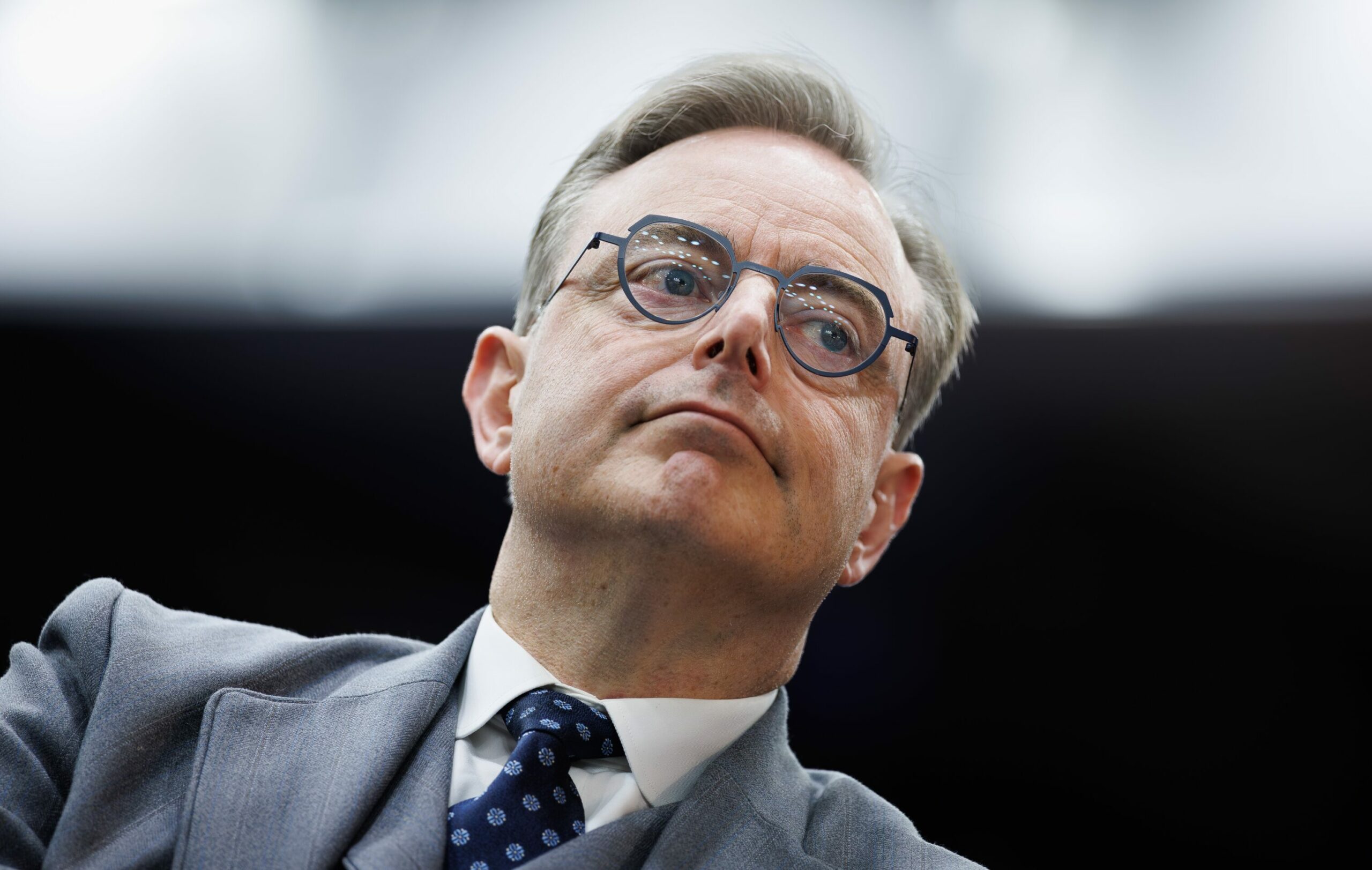
3. New residents moving next to Brussels nightclubs will be forced to adapt
Brussels will soon force those moving to within 20 metres of a nightclub to take measures against noise pollution themselves. Read more.
4. Is digital piracy making its comeback in Belgium?
Subscription fatigue and pricey streaming platforms are leading a digital piracy "renaissance" which is also gripping Belgium. Read more.
5. Dilliès wants more money to boost security in Brussels – with an important caveat
The new minister-president of the Brussels-Capital Region has said he won't “pass the buck" on the issue of security. Read more.
6. What Brussels truly is: A multilingual region
With Brussels evolving into a multilingual hub, some ask: does a monolingual minister undermine this vision? A debate ignited over language and leadership. Read more.
7. Ep.127: One Energy Shock After Another
Europe stands at a crucial crossroads: energy prices soar, solutions divide, and fossil dependency persists. Is this the moment for lasting change or another opportunity wasted? Read more.
