
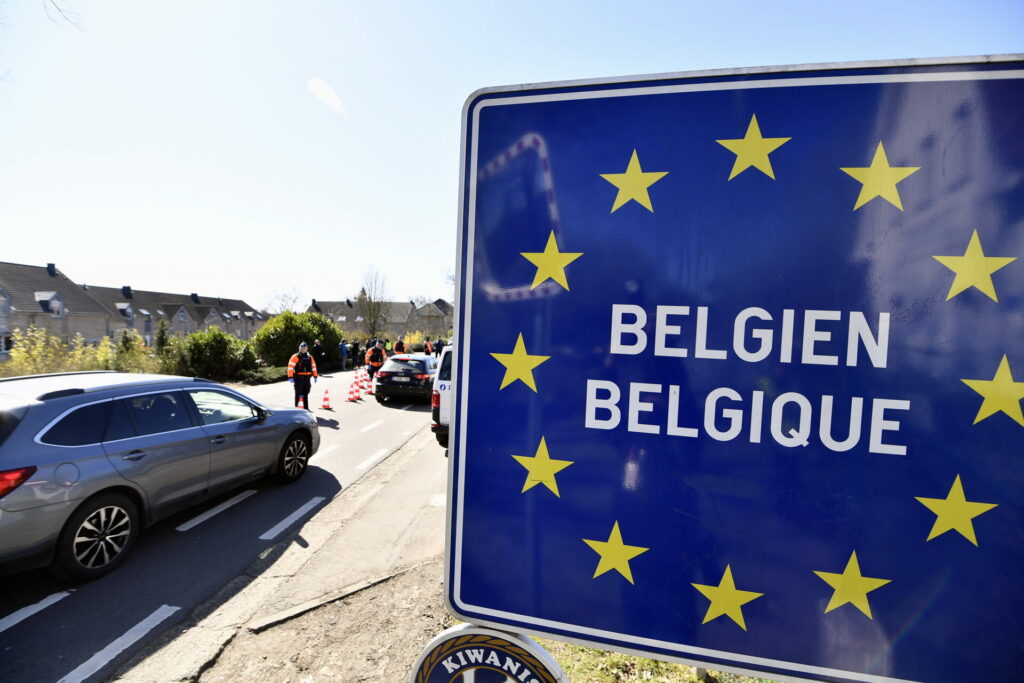
Belgium, the Netherlands and Luxembourg are calling on the European Commission to make the recognition of professional qualifications within the EU faster and more transparent.
This would strengthen labour mobility, help address staff shortages and support the better functioning of the internal market, according to the three countries. They set out their joint position in a position paper, which provides input for the planned European Skills Portability Initiative.
"Faster recognition of professional qualifications is essential to make cross-border work easier and to address staff shortages in our countries," said Benelux Deputy Secretary-General Liesje Schreinemacher.
"At present, the system is too complex and procedures take too long for people to put their knowledge and skills to work in another country," she said. "As a result, we are missing out on economic and social opportunities, especially in border regions."
A crucial lever for labour mobility
According to the Benelux countries, faster and more transparent recognition of diplomas and professional qualifications is one of the key prerequisites for a well-functioning internal market.
In border regions in particular, workers and employers still too often encounter administrative barriers when diplomas or skills are used across borders.
The economic impact is significant, they argued. Approximately 23% of all cross-border workers in the EU live in the Benelux and neighbouring regions – together accounting for more than 400,000 workers.
More efficient recognition procedures can help unlock this labour market potential, they stressed.
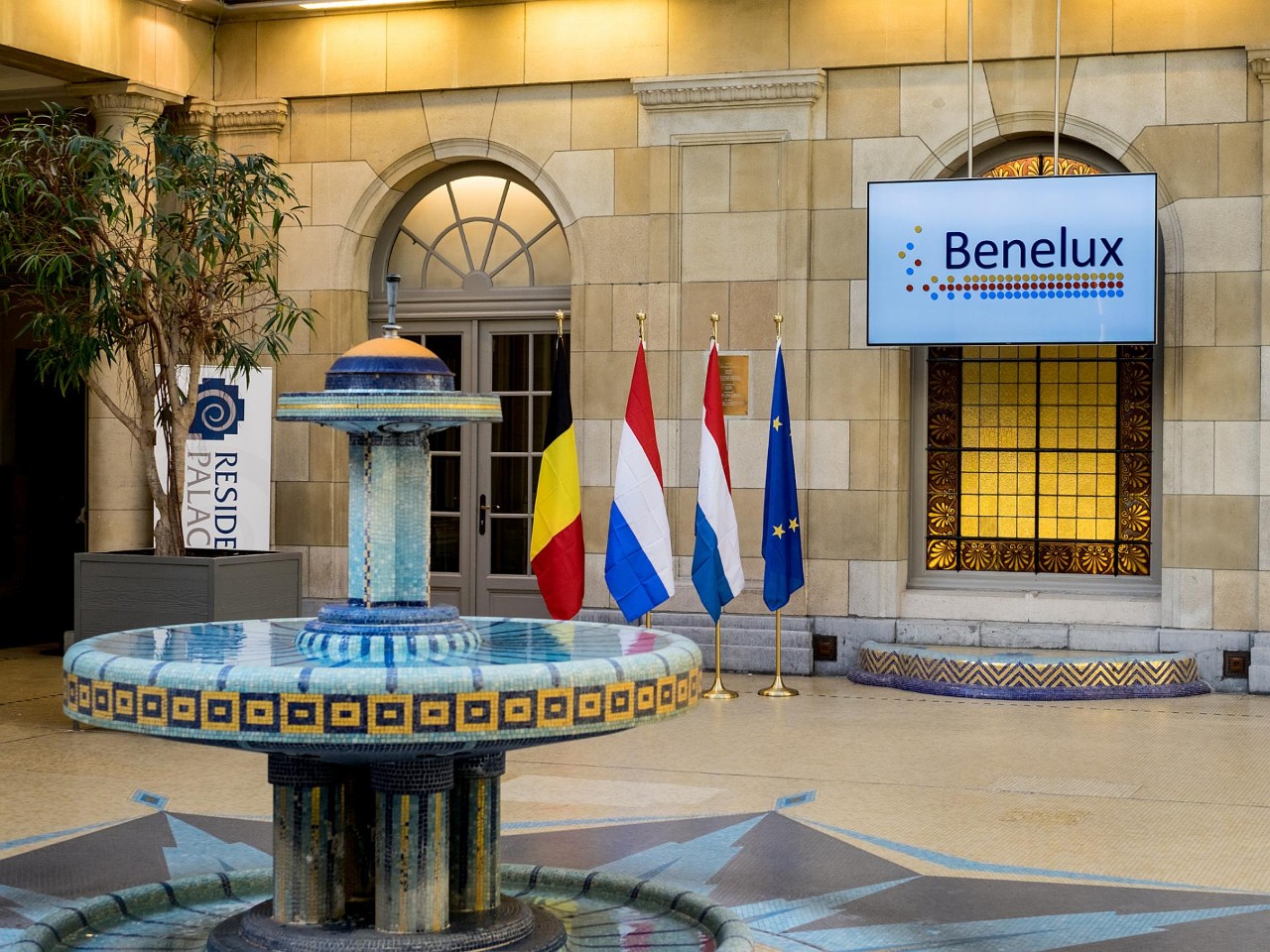
Flags of Belgium, the Netherlands and Luxembourg, who together form the Benelux Union. Credit: Benelux Union
Belgium, the Netherlands and Luxembourg propose a single European access point providing clear information on recognition procedures, and digitally verifiable diplomas and skills that can be used easily and securely across borders.
They also want faster, fully digitalised procedures for the recognition of regulated professions, and clearer European rules for the recognition of qualifications of workers from outside the EU.
Additionally, the three countries call for better coherence between existing European instruments such as Europass, European Skills, Competences, and Occupations (ESCO), and national and European qualifications frameworks.
Pioneering role
The initiative aligns with broader European efforts to strengthen the EU's competitiveness and further deepen the internal market.
In recent reports on the future of Europe, Enrico Letta and Mario Draghi point to structural barriers to labour mobility and economic growth, including the slow and fragmented recognition of professional qualifications.
The Benelux stands ready to play a pioneering role within the European Union by testing new approaches and removing obstacles to labour mobility, they stressed. The region already has experience with the automatic recognition of higher education diplomas, including through a treaty with the Baltic States, and soon with Poland.
Therefore, the Benelux could serve as a practical testing ground for broader European solutions that reduce administrative barriers and facilitate labour mobility within the EU.
