
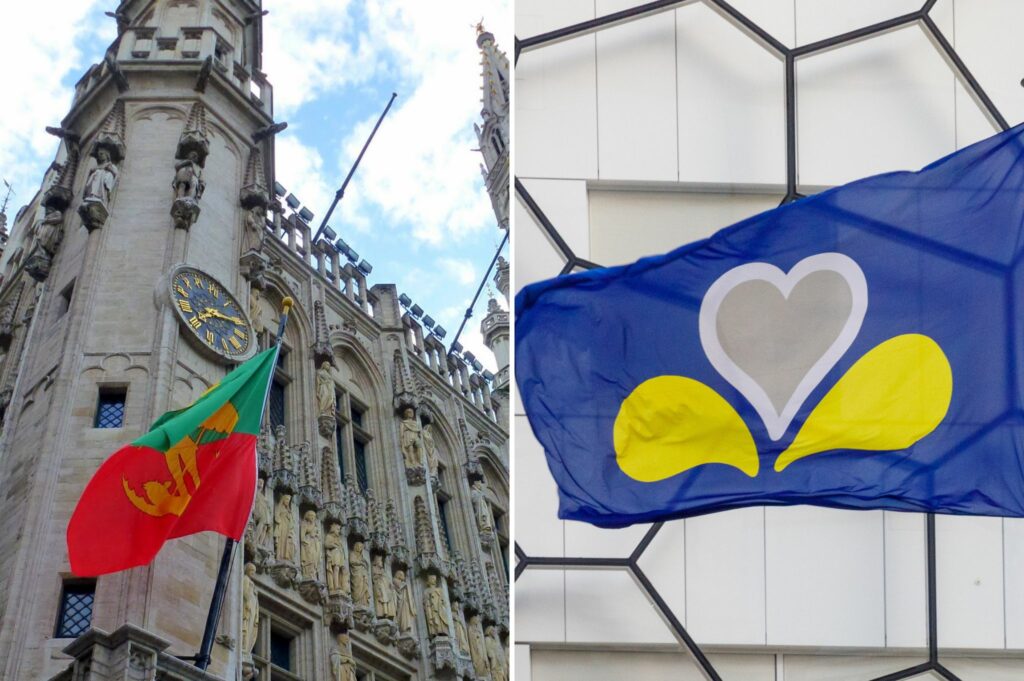
Brussels marked its annual holiday, Iris Day, on Friday – but was it for the City of Brussels or the Brussels-Capital Region?
So, you live in Brussels, but you are still unsure what the difference is between the City of Brussels and the Brussels-Capital Region. Well, you are finally in the right place.
Despite its small size, Belgium is not a simple country. Institutionally, the tug-of-war between Dutch-speakers and French-speakers has led to a complicated status for Brussels.
Today, there are, in fact, two Brussels – so bear with us. The key fact is: one is a municipality (like Ixelles or Molenbeek-Saint-Jean), the other is a regional entity (like Wallonia or Flanders).
City of Brussels
To begin, the City of Brussels is a municipality, with Mayor Philippe Close (PS) as its mayor. He doesn't rule over other Brussels communes like Saint-Gilles or Jette.
The City of Brussels is a local-level entity comprising the historic city centre, and weirdly, Laeken, Haren, and parts of Avenue Louise and Bois de la Cambre. The borders are extremely complicated and, geographically, given the way they extend towards the north and the Royal Palace of Laeken – but that is a story for another day.
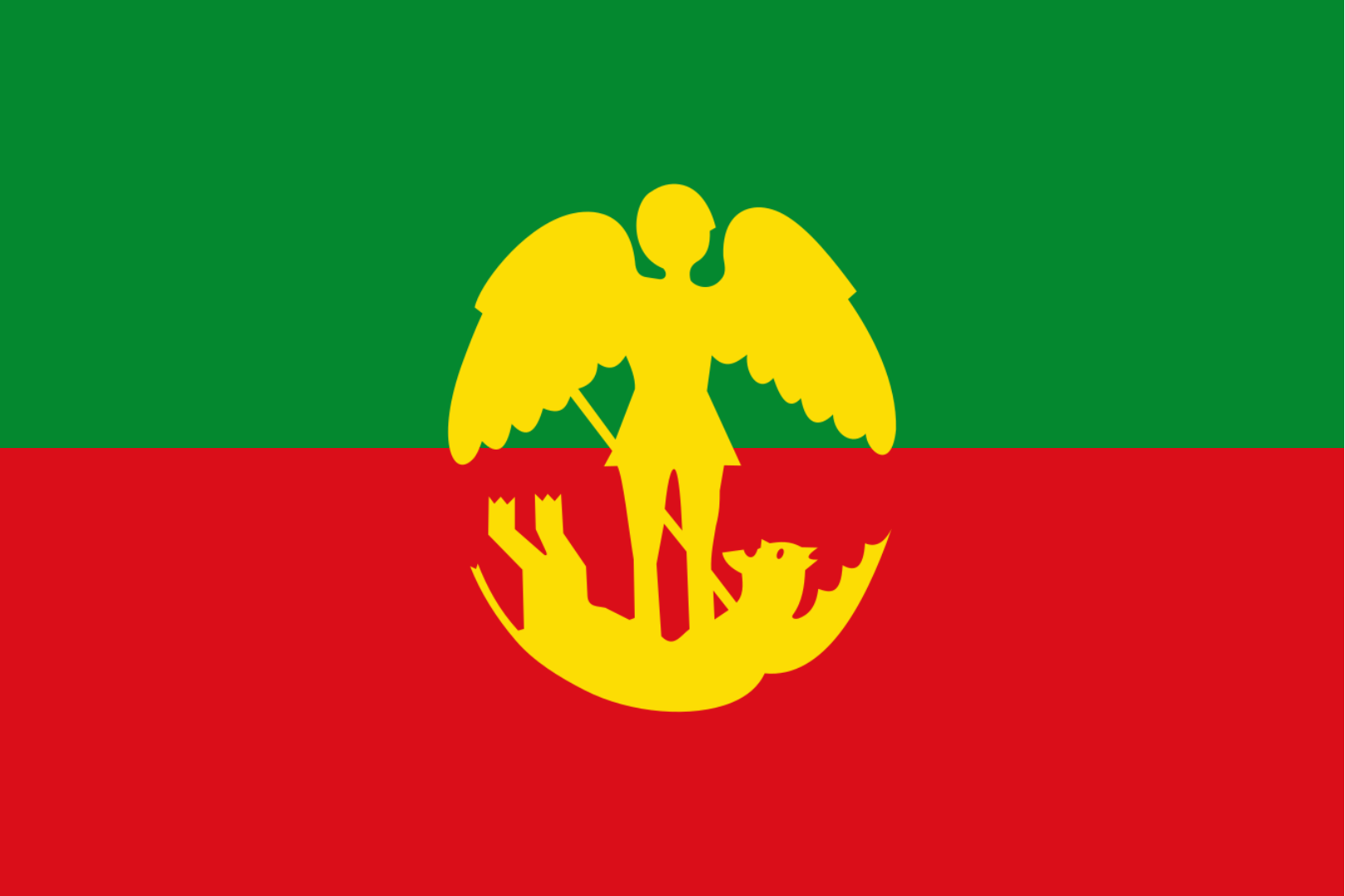
Flag of the City of Brussels municipality, the official capital of Belgium.
Historically, the City of Brussels borders were demarcated by the city walls, which gradually came down during the 19th century, in what is commonly referred to as “the pentagon” – due to, yep, its shape.
It is the largest single municipality in Belgium, and holds the same local status as the municipality of Anderlecht or Ixelles.
The Brussels-Capital Region’s other 18 municipalities have their roots in villages that surrounded the historic city of Brussels. The city expanded into a full metropolitan city during the urbanisation of the late 19th century, driven by industrial expansion.
Importantly, the City of Brussels is the official capital of Belgium. It is also the capital of the (separate entities), the Flemish and the Francophone communities.
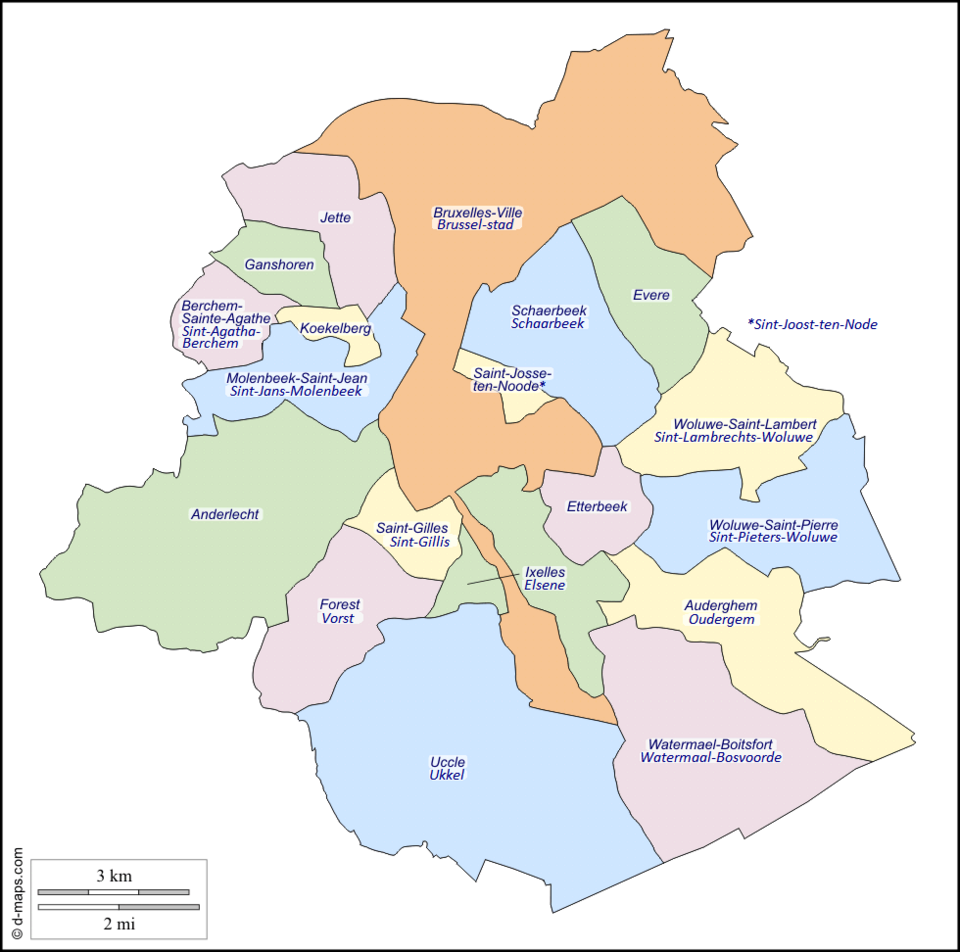
Map of the Brussels-Capital Region. The City of Brussels is demarcated as "Bruxelles-Ville/Brussels-stad", in orange.
Like all Brussels municipalities, the City is legally bilingual: French and Dutch. It functions as a regular municipality, albeit much larger.
The municipalities' competences include maintaining order, civil status registers, population registers, road management, primary education, the issuance of town planning and environmental permits and planning.
Other missions can include traffic, housing, the adoption of planning and town planning instruments, socio-cultural activities and fire safety.
Brussels-Capital Region
Now, onto the Brussels-Capital Region. The main difference is, as mentioned, the fact that this is a regional entity which holds the same legal weight as the Flemish and Walloon regions.
It was created in 1989, and has its own parliament with elected MPs and a government, which recently made the news for not having been in place for a record 613 days.
The Brussels-Capital Region Government and the Parliament were only created during Belgium's State Reform of 1988-89, while the Flemish and Walloon regions were officially set up in 1980.

Flag of the Brussels-Capital Region, which includes all 19 municipalities (including the City of Brussels).
The Brussels Region was set up to give it more autonomy and weight against the interests of Belgium's northern (Dutch-speaking) and southern (French-speaking) neighbours. It is bilingual, given its historic status as a Dutch-speaking city which was gradually Francised over time, particularly after the Belgian Revolution in 1830.
The Brussels Parliament is made up of 72 French-speaking members and 17 Dutch-speaking members, who separately need to find an agreement first among themselves, and then together, to form a government – making it uniquely complicated.
All regions are led by a "Minister-President", an uncomfortable word in English which essentially means regional government leader. In Brussels, the new Minister-President is Boris Dilliés (MR).
The Brussels-Capital Region Government, often referred to as the Brussels Government, passes ordinances voted by the Parliament that have the same legal force as decrees and federal laws. In strictly legal terms, ordinances have less "force" than a decree or federal law under certain circumstances.
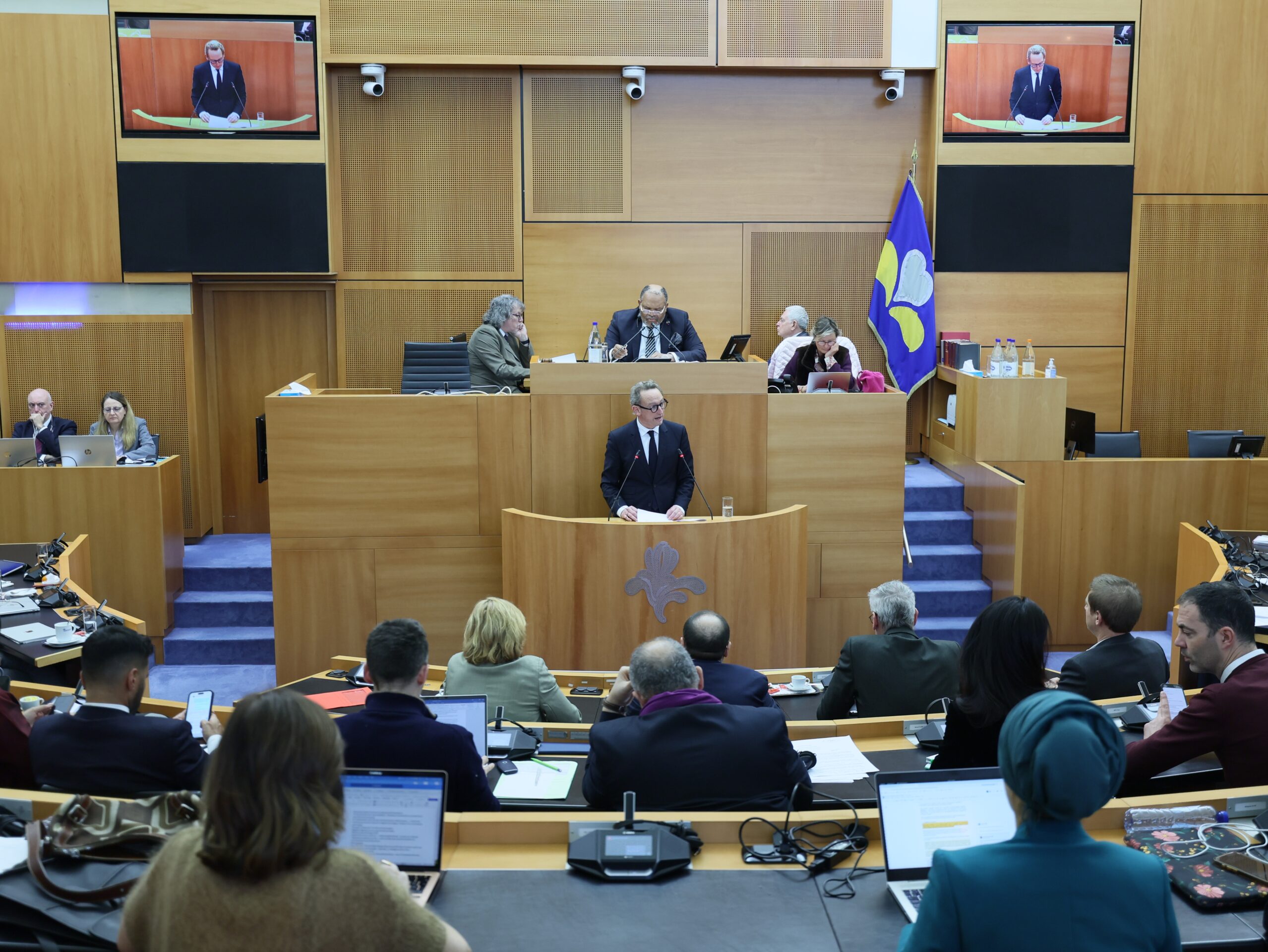
Brussels Region Minister-President Boris Dillies addresses the Brussels Parliament on Monday, 23 February 2026. Credit: Belga
What does the Brussels Region have power over? Anything connected with their region or territory in the widest meaning of the term.
This includes economy, employment, agriculture, water policy, housing, public works, energy, transport (except Belgian Railways), the environment, town and country planning, nature conservation, credit, foreign trade, supervision of the provinces, communes and intercommunal utility companies.
They also have powers relating to scientific research and international relations in those fields.
Conclusion
The City of Brussels is located inside the Brussels-Capital Region, which includes all of the 19 Brussels municipalities.
To answer the first question: Iris Day on 8 May celebrates the creation of the Brussels-Capital Region in 1989.
So, in summary: the City of Brussels is a municipality, and the Brussels-Capital Region is a regional entity, which includes all Brussels municipalities, including the City of Brussels, which in turn is the capital of Belgium. Simple, right?
