
The Council of Europe has adopted a political declaration on migration, one year after several European leaders, including Belgian Prime Minister Bart De Wever, criticised the European Court of Human Rights' interpretation.
Last year, De Wever joined leaders from Denmark, Italy, Austria, Czech Republic, Estonia, Latvia, Lithuania and Poland in signing a letter arguing that the Court’s interpretation of the European Convention on Human Rights was making it harder to deport foreign criminals without legal residency status.
The intervention sparked concern within the Council of Europe, with Secretary-General Alain Berset warning against politicising the Court and stressing that the Convention should be strengthened rather than weakened.
Following the controversy, a formal institutional process was launched within the Council of Europe.
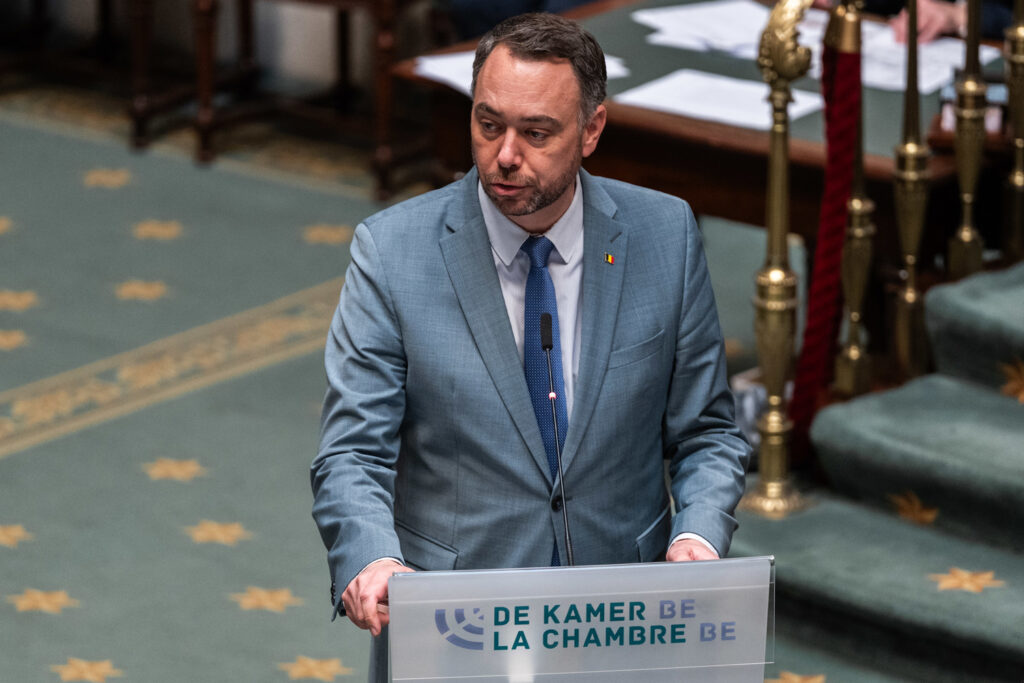
On Friday, member states meeting in Chișinău approved a new political declaration on migration, according to Maxime Prévot.
The declaration recognises the practical challenges faced by European governments, including the deportation of irregular migrants convicted of serious crimes.
Belgium's Deputy Prime Minister and Migration Minister said the declaration was not intended to interfere with the Court’s independence but rather to provide political guidance on migration issues that judges are increasingly required to address.
Prévot also underlined the European Convention on Human Rights' evolving nature, arguing that its adaptability has ensured its continued relevance since its creation.
