
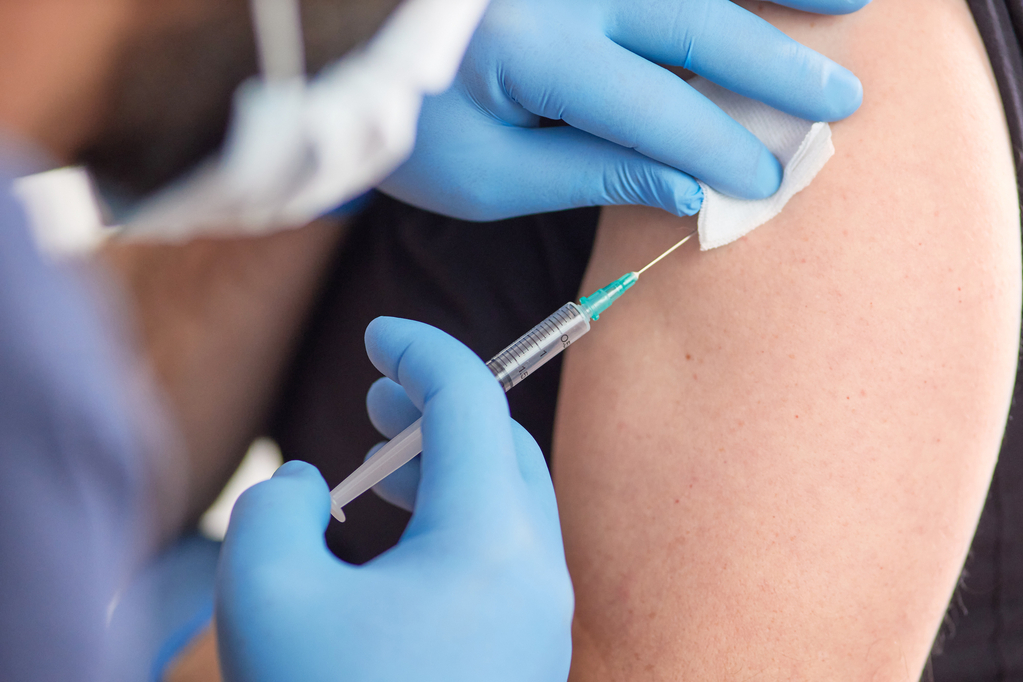
The world remains ill-prepared for pandemics, despite lessons learned from the Ebola outbreak a decade ago and the Covid-19 pandemic six years ago, according to the Global Preparedness Monitoring Board (GPMB).
The GPMB, established in 2018 by the World Health Organisation (WHO) and the World Bank, aims to enhance readiness for global health crises.
While pandemics such as Covid-19 have spurred reforms and billions of dollars in investments in prevention and response, these measures are insufficient to address the increasing risk of future pandemics, the report warns.
The analysis highlights setbacks in equitable access to diagnostics, vaccines, and treatments.
For instance, low-income countries waited nearly two years for access to mpox vaccines, even longer than the 17 months it took Covid-19 vaccines to reach these nations.
Trust in politics, civil liberties, and democratic norms has deteriorated during crises such as Ebola and Covid-19, worsened by politicised responses, attacks on scientific institutions, and growing polarisation.
In today's more divided and financially strained world, governments may struggle to protect their populations, exacerbating the global impact of future pandemics.
The report outlines three priorities for policymakers: creating a permanent, independent mechanism to monitor pandemic risks; ensuring equitable access to life-saving vaccines, tests, and treatments by finalising and ratifying the WHO pandemic agreement by 2025; and securing sufficient funding for prevention and rapid response measures when crises arise.
