
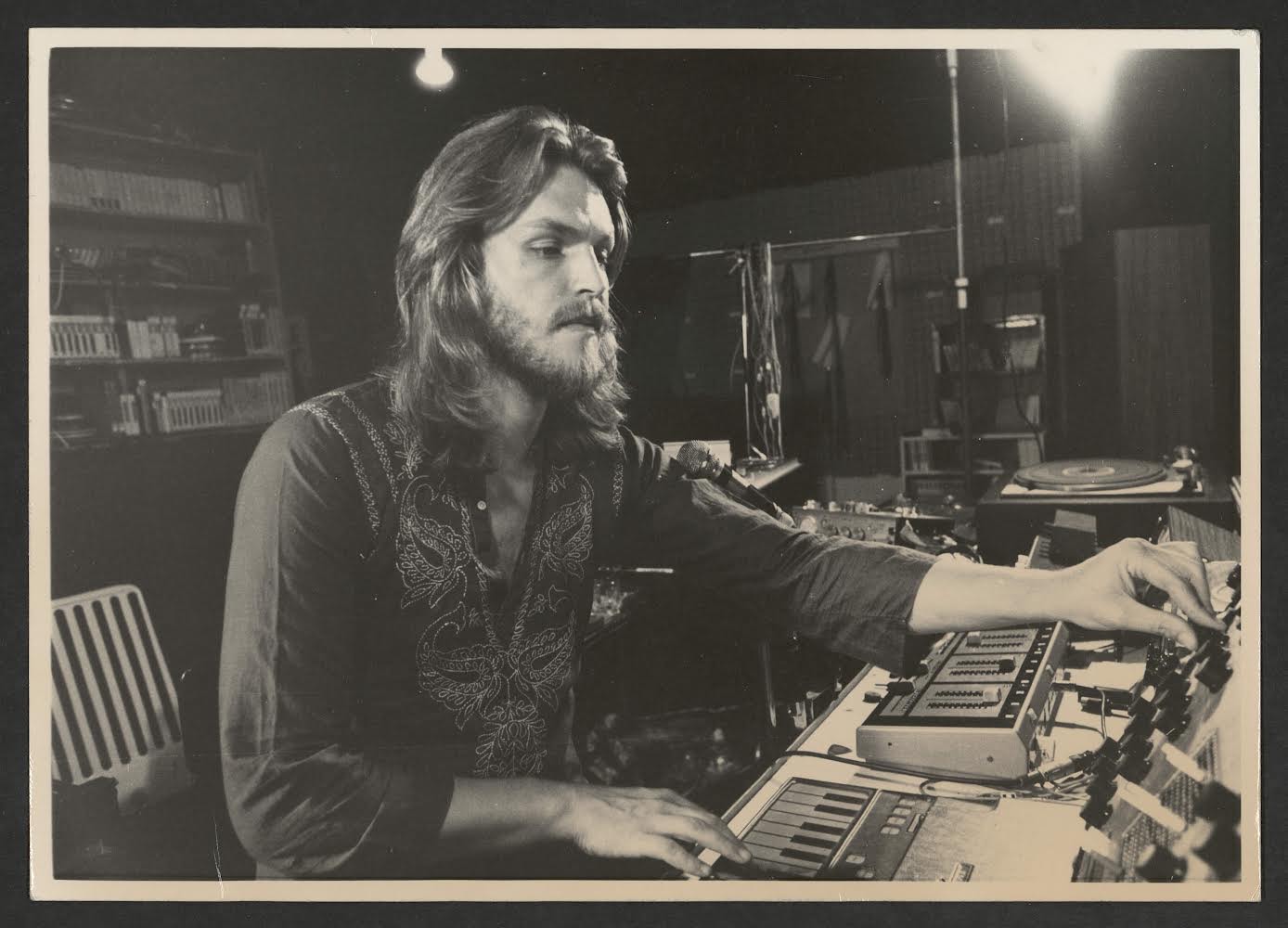
Hollywood wanted him to move to LA and make sound effects for blockbusters. But Alain Pierre said no to one of Tinseltown’s biggest names to carry on making sounds in his state-of-the-art studio in the shadow of the RTBF tower.
Alain Pierre is far from a household name in the country where he was born and lived for 78 years. The work he is arguably most famous for, creating dinosaur noises on Jurassic Park and sound effects for Aliens, was only a very small part of his long career making sounds and music for films.
But Pierre, who died two years ago, deserves to be acknowledged as a true pioneer of electronic music, not only in Belgium but in Europe and indeed the world.
Etterbeek, Eno and Akerman
He can best be compared to Brian Eno, who fed his art-school-honed experimental approach to sound creation into a pop and rock world hungry for new ideas, playing with Roxy Music and later stadium-filling artists like U2, David Bowie and Coldplay. Eno played an early synth, the EMS Synthi 1, which cost around €7,500 (around €23,000 in today’s prices) in the early 1970s. Only 30 were ever made and Pierre was the first person in Belgium to have one.
While Pierre’s contacts with Lucas and Hollywood are the easiest cultural reference point, he owes his career to his love of film. Born in Schaerbeek in 1948, he attended the francophone film school in Brussels, INSAS. There, he encountered a new wave of Belgian filmmakers who were intrigued by his ability to create weird sounds on his equally weird equipment.
He provided sounds for a 1976 film by influential Belgian director Chantal Akerman, Je Tu Il, Elle. Akerman is regarded by critics as having made one of the greatest ever films, Jeanne Dielman, 23 quai du Commerce, 1080 Bruxelles. He also did sound effects for films by Paul Verhoeven, the iconoclastic Dutch filmmaker who made Total Recall, Starship Troopers and Basic Instinct. Pierre’s other credits included Roman Polanski’s Tess and two classic films by cult German arthouse director Rainer Werner Fassbinder, Querelle de Brest and Berlin Alexanderplatz.
Pierre, one of six children from a Catholic family, attended the prestigious Collège Saint Michel in Etterbeek, then run by Jesuits. He discovered a love of music after joining a school choir while in primary.
But the real revelation for Pierre came in 1958 when Brussels hosted the World’s Fair, also known as Expo 58. Dutch electronics company Phillips had a pavilion at the fair in which a specially commissioned work by French avant-garde composer Edgard Varèse, Poème Eléctronique, was played over loudspeakers.
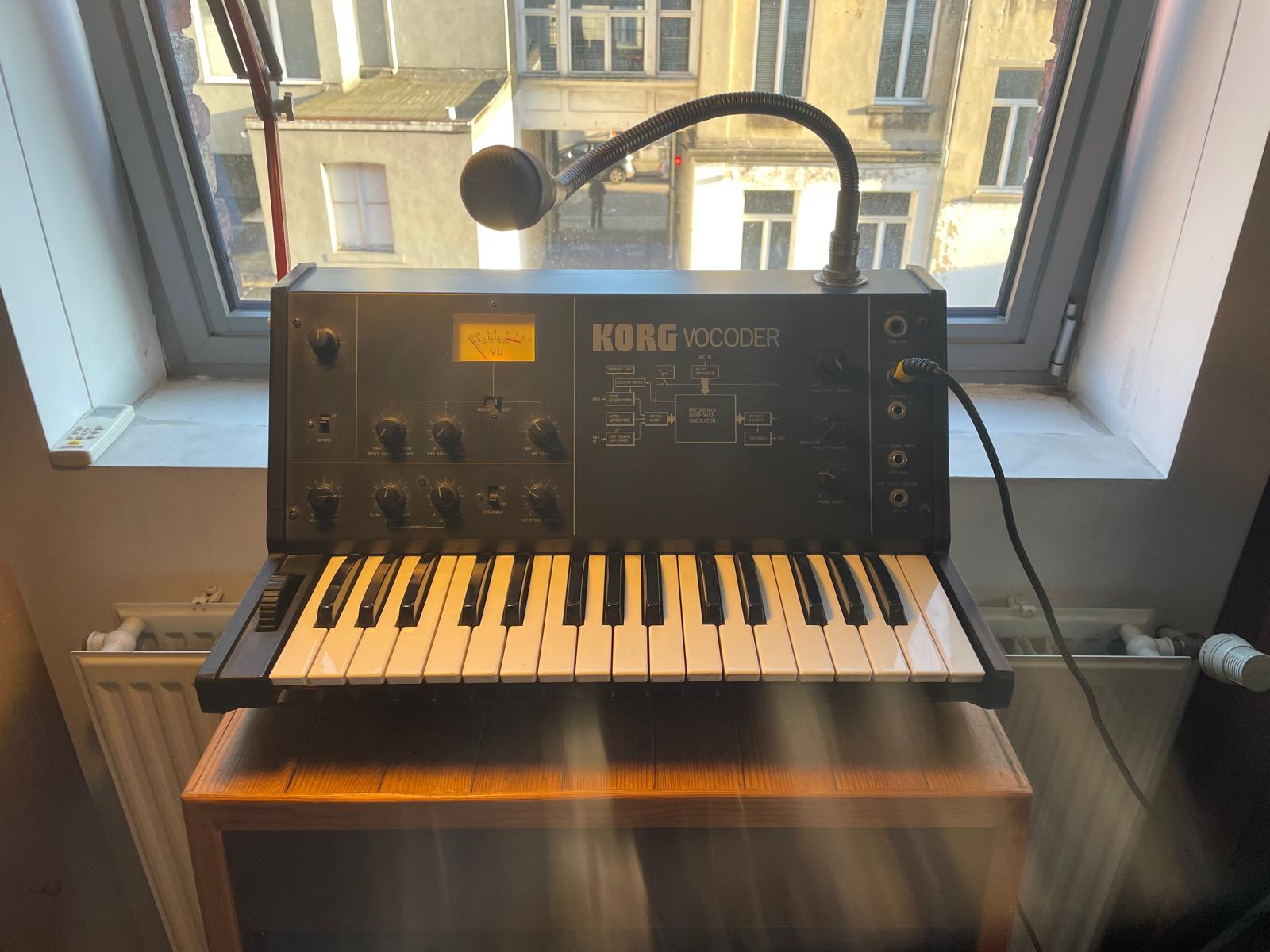
Belgian film score composer Alain Pierre's old equipment
For ten-year-old Pierre, who was fascinated by sound, this was a life-changing experience: he was experiencing for the first time the noises made on electronic devices unconstrained by the limitations of traditional instruments.
Pierre’s daughter, Tatiana, says that he had been in love with sounds from an early age. “He was fascinated by planes,” she says. “If you see a plane without sound, it means nothing. But if you see a plane with sound, it's everything. So, I think the fact that at a certain moment there were instruments where he could literally also make sounds, there was something that clicked. He realised he could make music out of sound.”
Creating sounds
After leaving film school in the 1960s, he worked as a boom operator (or perchman, the perche being the French word for boom) and sound recordist.
His soundmaking skills were much in demand from Belgian filmmakers. He created the sound for the cult Flemish animated film, Jan zonder Vrees, made by Jef Cassiers, a Flemish actor and filmmaker known for his role as the alderman in Johan en de Alverman, a popular series from the mid-1960s.
Tatiana says it was his rare talent in creating sounds that led him to make music for films. “He started with sound because he studied sound. But then, as the filmmakers saw that my father was busy making music and had all these instruments and they went, ‘Hey, by the way, would you be interested in making music as well?’”
Pierre had been in bands from the age of 16, playing Beatles’ covers as well as more experimental music.
He built up a rare collection of the latest electronic instruments and recording and mixing equipment, which he set up on the ground floor of the family home in Rue Colonel Bourg, practically underneath the RTBF tower. Tatiana explains that the family kitchen was on the first floor, as the studio took up all the space when you came into the house.
Pierre’s talent and fancy gear were very much in demand from filmmakers and musicians, so he was able to make a decent living.
“He would do loads of jobs, so recording, mixing, engineering, also producing and playing synths for other people or making sounds for people's records,” Tatiana says.
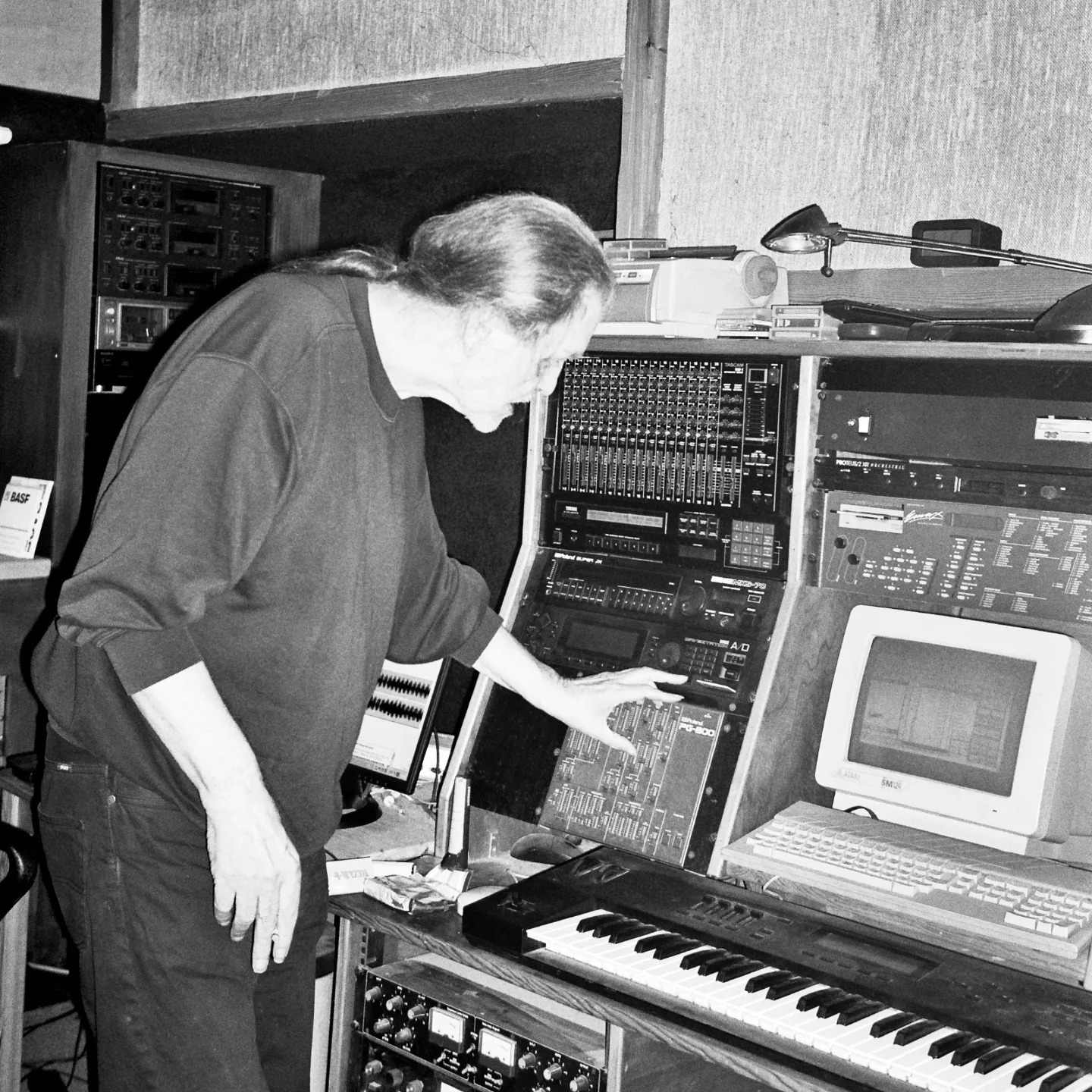
Belgian film score composer Alain Pierre (1948-2024)
Pierre ploughed the money he made back into buying new equipment. He bought one of the first EMS Synthis (the same as Brian Eno).
Tatiana says that it wasn’t just her father’s creative powers and equipment that made him so sought after. She says he always “had a voice” in any creative project he was involved in.
“He would ask the director or the producer: ‘What are you thinking about? What would you like me to make?’ And my father would make it, he would play it and then he would say, ‘What do you think? Was this what you wanted?’ Because my father would always suggest or propose, ‘maybe we could just go this or this way.’ And then often the person would say: ‘It's not you, but it's not exactly what I had in mind.’ And then my father would go, ‘Is this?’ because he would often have made two scores.”
Tatiana says that her father carried on making music and sound right up to just before he died two years ago. Just before he finally passed, he told her. “I’m not done yet.”
Restoring the studio
The sense that he never completed his life’s work is one of the reasons why Tatiana decided to have part of her father’s collection of vintage synthesisers restored to full working order.
In the room at Edmund’s studio in Koekelberg, where the instruments are displayed, they gleam like they were made only a few years ago, despite dating from the early 1970s. Tatiana says that the restorer kept as many of the original parts as possible.
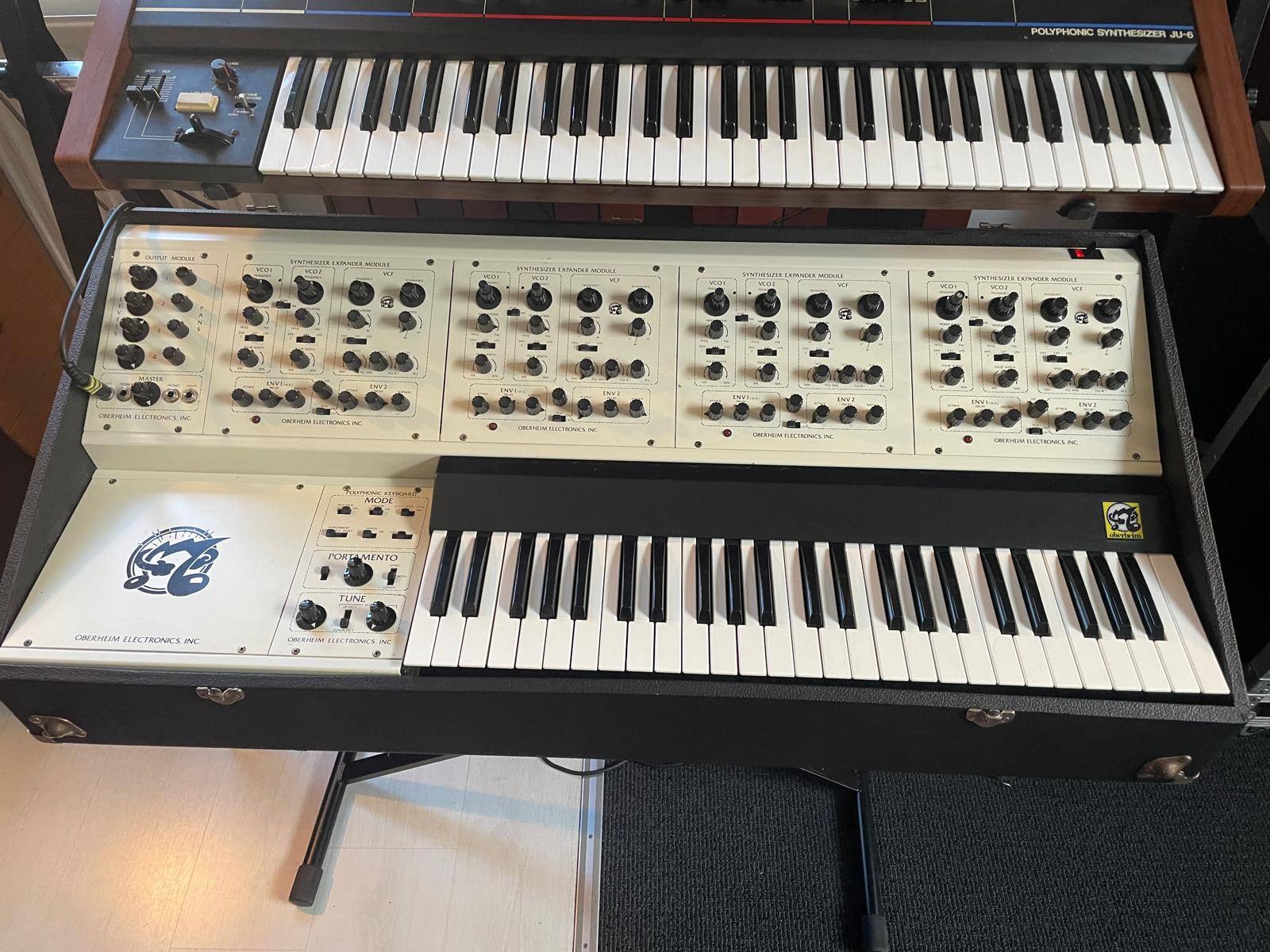
Alain Pierre's old equipment
So that her father’s work and creative spirit can live on after his death, Tatiana is planning to invite contemporary musicians to spend three or four weeks playing the restored instruments and using the huge library of sounds that her father created, for their own compositions.
She explains that her father left “a museum, not only of his instruments, but also of the people he worked with.” He kept letters and his diaries, she explains.
The whole time that Pierre continued to make new sounds and recording. “He worked so much that I think that a third of what he did, he just simply forgot.”
Tatiana says that a new generation of musicians is discovering her father’s music.
She tells the story of Dave Martijn, one of the founding members of Belgian electronic rock band GOOSE (not to be confused with the US group Goose). When she met Martijn, he explained how much he loved the music her father had made for Jan zonder Vrees, and how it had been an inspiration to become a musician himself.
Martijn didn’t meet Pierre while he was alive, but he visited the house in Wavre where Pierre lived at the end of his life and played his instruments. Listening to Martijn playing on Pierre’s collection was another reason for his daughter to want to make the instruments available for a new generation of musicians to use and enjoy.
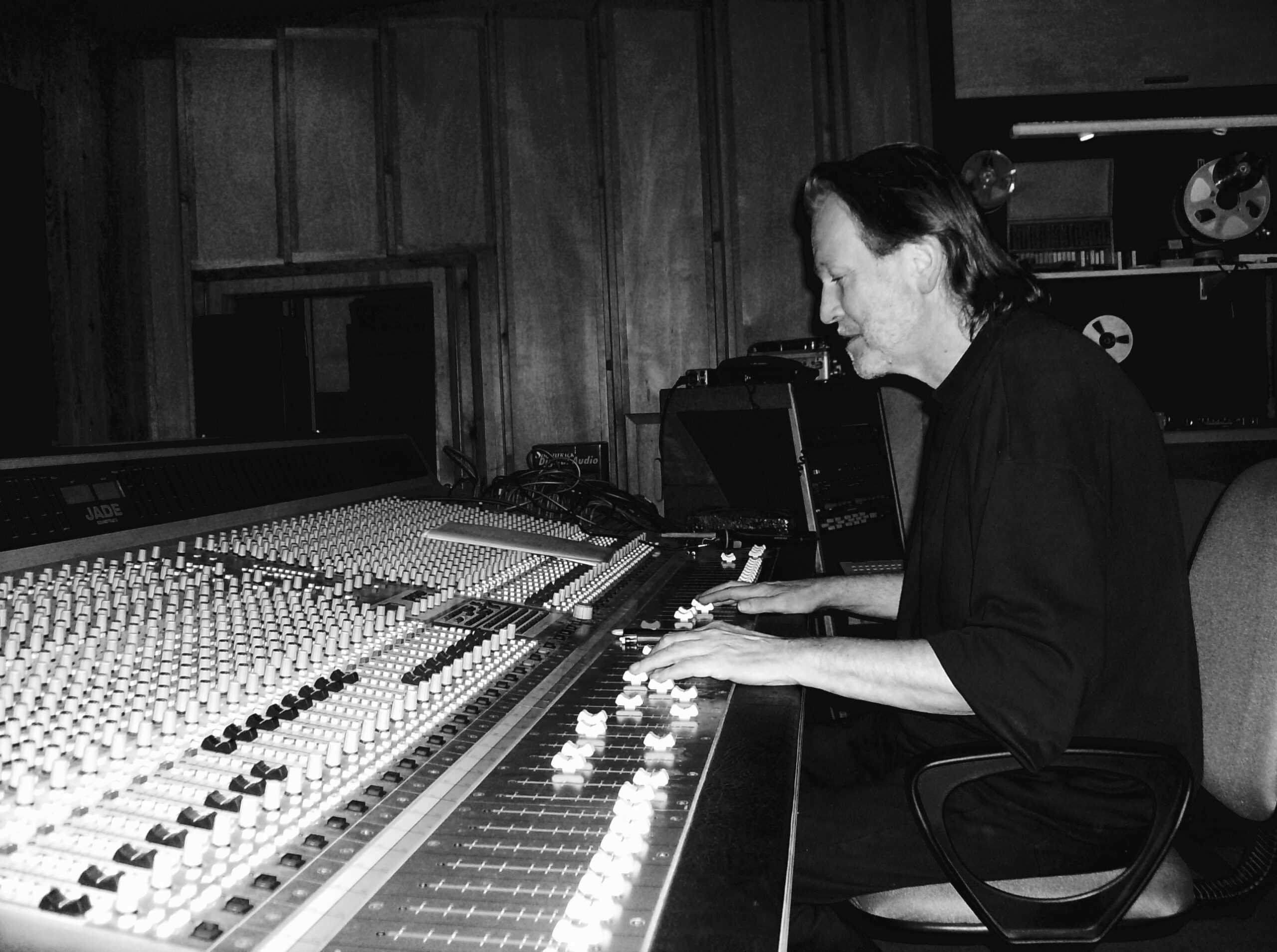
Belgian film score composer Alain Pierre (1948-2024)
In February, Tatiana organised a presentation of Pierre’s restored instruments and recording equipment at Edmond’s, a multimedia centre in Koekelberg. She invited Martijn to give a performance on an ARP 2600 synth.
On his deathbed, Alain Pierre said he wasn’t done. But thanks to his daughter and young musicians who were inspired by what he created, collected, recorded and preserved, his pioneering spirit driven by a curiosity to constantly find new sounds will live on.
