
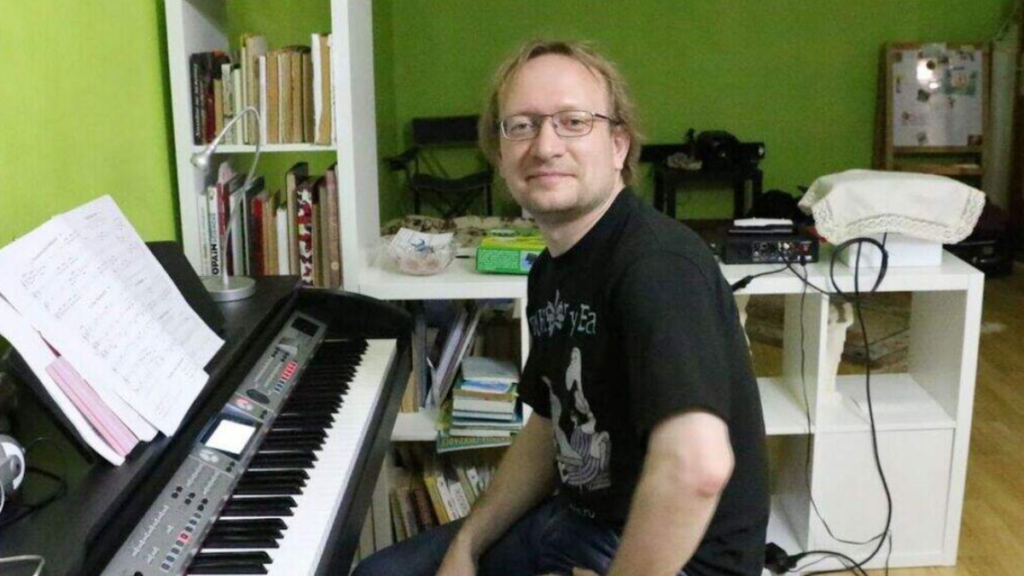
A court in Pskov, western Russia, has sentenced Belgian-Russian citizen Mikhaïl Loshchinin to 16 years in a penal colony on charges of espionage.
His family claims the decision is based on false accusations and a trial that ignored the rights of the defence.
Loshchinin, 48, originally from Russia, has lived in Europe since 1999 and became a Belgian citizen in 2000. He was arrested by Russian border guards late on 30 June 2025 while visiting his father, who had recently undergone two heart surgeries in Saint Petersburg.
His treason trial began in February, with allegations based 0n intercepted messages he exchanged with a Ukrainian friend on his phone, and a monetary transfer, according to Russia’s FSB security services.
The sentence was described as unusually harsh by Evgueni Smirnov, lawyer and founder of the human rights group Pervy Otdel, as quoted in Russian media outlet Vot Tak.
Smirnov suggested the Belgian nationality of the accused might have played a role. “Sentences of 16 to 18 years are usually associated with terrorism or weapons-related offences, not simple money transfers,” he said.
Family and supporters of Loshchinin in Belgium were shocked. “The trial was absurd. Everything about this case is murky: fabricated accusations, closed-door hearings, rejected defence arguments, and restricted lawyer communication,” said Damien Comeliau, coordinator of the ‘Free Mike’ campaign.
Loshchinin’s family is “paralysed” with fear, according to Comeliau, particularly due to his serious health issues, including vision problems, and concerns over deteriorating detention conditions.
The campaign is now seeking diplomatic support from Belgium and other European nations such as Germany and Luxembourg, where he once lived.
Comeliau stressed that diplomatic action was critical. “We don’t see any other solution at this point,” he said.
A petition for Loshchinin’s release is available on freemike.org.
Belgium’s Foreign Affairs Ministry has been monitoring the case closely. A representative of the Belgian Embassy attended the sentencing, but consular visits have not been permitted by Russian authorities due to Loshchinin’s dual nationality.
“We are pressing for adequate medical care for him and for treatment that complies with international standards,” the department said in a statement, adding that repeated requests for consular access have been denied.
Belgium expressed broader concerns about Russia’s adherence to due process and the rule of law. “Beyond this specific case, the country remains committed to supporting Mr Loshchinin and his family,” the statement concluded.
