

The number of people in Belgium with dementia will more than double by 2050, according to the latest figures by Alzheimer Europe and Belgium's statistical agency Statbel.
Nearly 215,000 people in Belgium lived with dementia last year – a figure that is expected to rise significantly in the coming years. By 2050, this figure will rise further to over 353,000 – an increase of 64.55%.
"In other words, the number of people with dementia will have more than doubled by 2050," said the Flemish expertise centre for dementia.
The updated risk model by Alzheimer Europe found that the risk for men is rising across the board, while for women it is falling in some cases (from 8.9% to 8% for women aged 75 to 79, for example).
However, the risk for women remains substantially higher than for men.
Regional differences
In Flanders, the expected rise in cases is most pronounced. Over 10 years, the number of people with dementia there will rise from 135,631 to 168,245 – an increase of 24%, amounting to 32,614 more people with the disease.
By 2050, Flanders expects an increase of as much as 67.87%, or 92,050 additional people. Flanders is therefore experiencing a slightly sharper rise than the national average.
In the Brussels-Capital Region, the increase is slower. Over the next ten years, the number of people with dementia is expected to rise by 11.13%. By 2050, this number will have grown by 40.15%, amounting to 6,145 additional people.
For Wallonia and the German-speaking part of the country, the trend closely mirrors the Flemish pattern in the short term: after 10 years, the increase stands at 24.48%. By 2050, the increase will rise to 63.36%, amounting to 40,426 additional people with dementia.
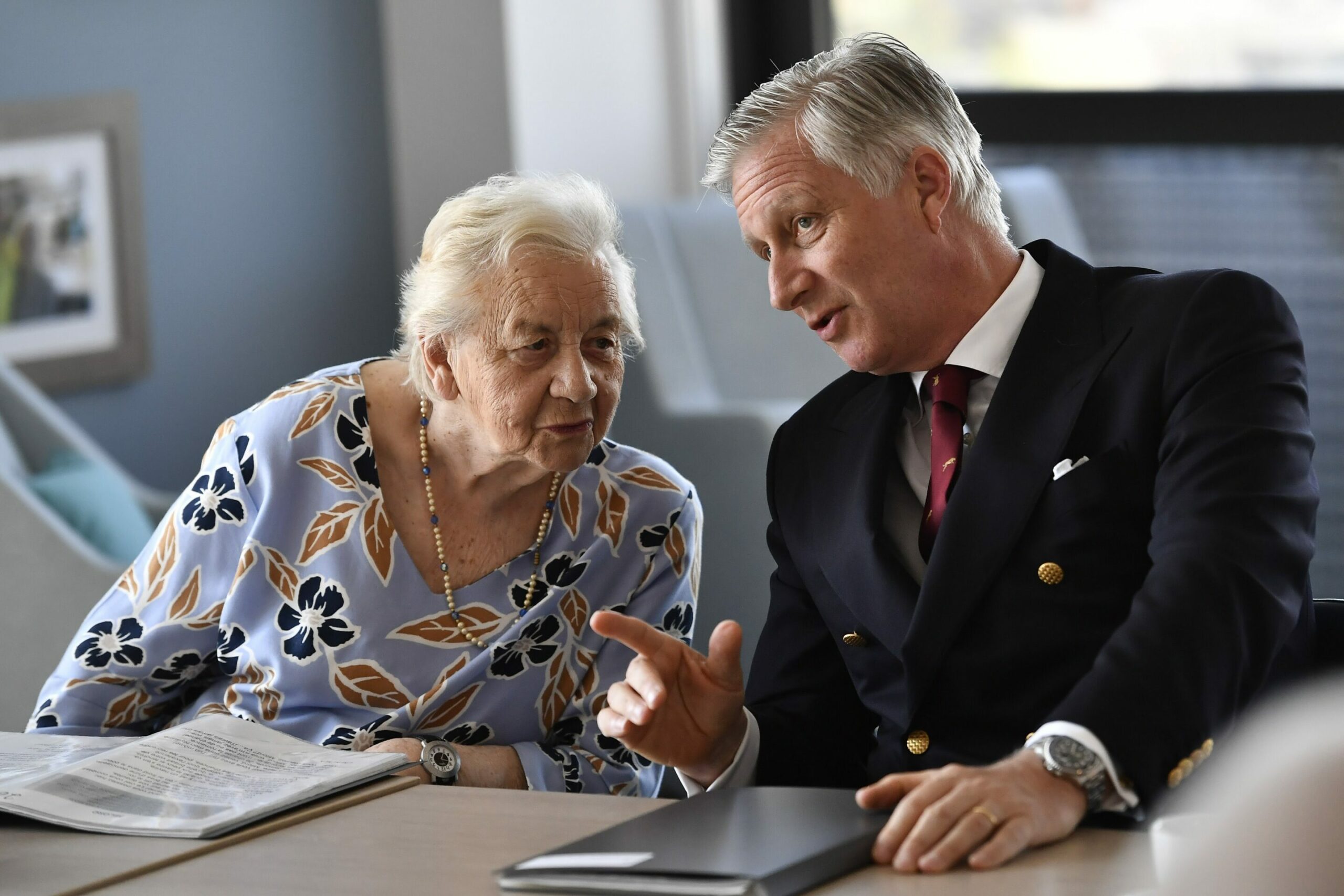
King Philippe during a visit of the king to Maison Vesale, people with dementia and related illnesses are treated, Tuesday 14 May 2019, in Brussels. Credit: Belga/Dirk Waem
"The rising figures for dementia present us with an unprecedented care challenge and highlight the need for targeted policy measures, prevention and support in all regions of the country," Jurn Verschraegen, Director of the Flanders Centre of Expertise.
"That is why targeted investment in support, early detection and the development of expertise remains essential. After all, the capacity of professional and informal care is under pressure today," he added.
The key message remains that Belgium will see a sharp rise in the number of people with dementia in the coming years and decades, the centre stressed. Advanced age is the main risk factor for dementia, and the ageing population is therefore the cause of this increase.
Wake-up call
"These figures come as no surprise, but they are certainly a wake-up call. Behind these figures are people, families and stories," said Peter van Houtven, Director of the Alzheimer’s League of Flanders.
"Dementia never affects just the person themselves, but their entire community. In the coming years, we must focus not only on figures and policy, but above all on quality of life, understanding and support for everyone affected by dementia," he added.
The organisations involved agree: as long as a cure for dementia remains elusive, Belgium as a society must continue to invest in better care and support for people with dementia and their loved ones.
The number of people with early-onset dementia – clear symptoms before the age of 65 – is predicted to remain stable at around 4,500 over the coming decades because the middle-aged population will remain stable.
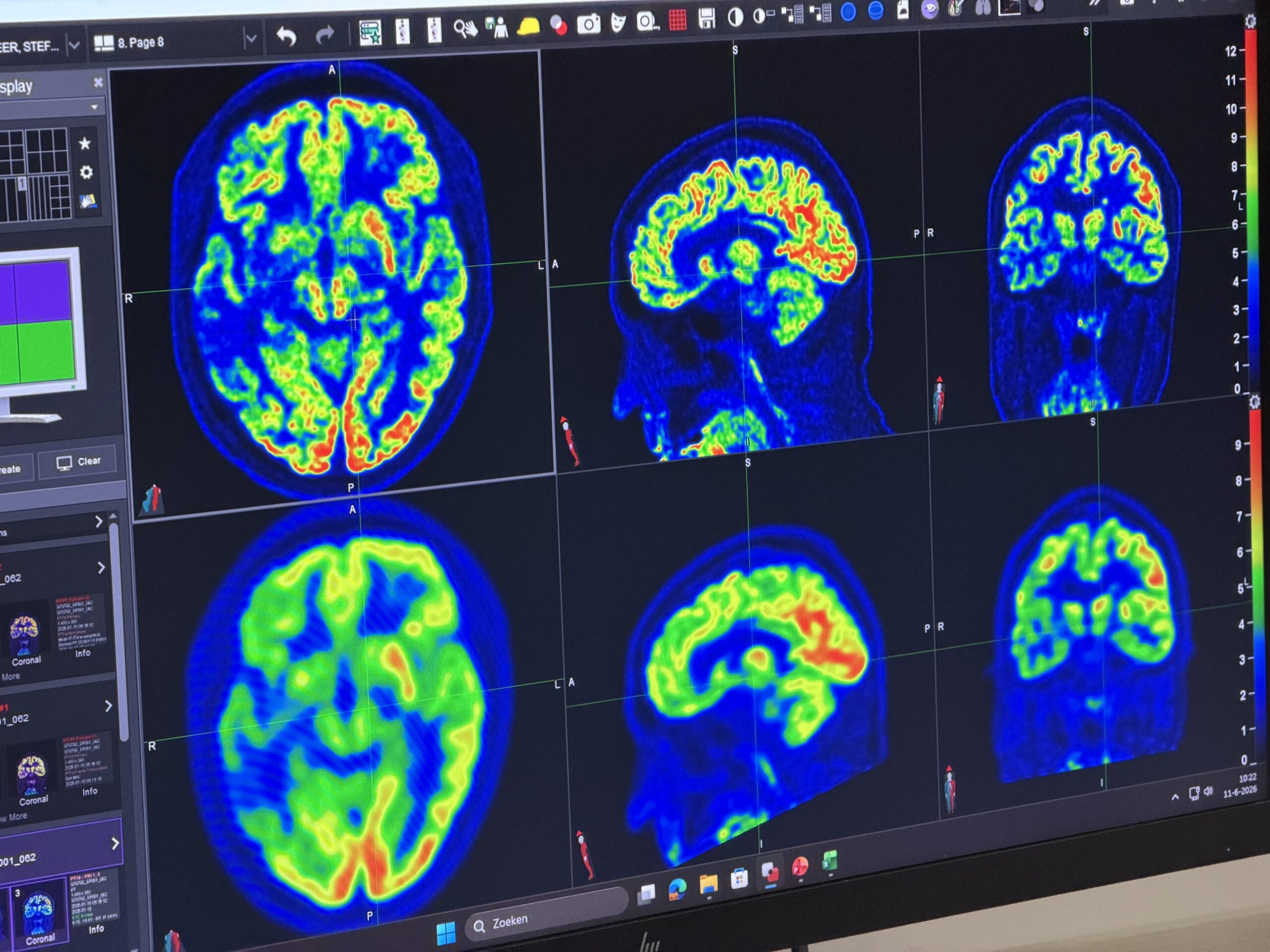
The new high-resolution NeuroExplorer PET-scanner for brain research at the UZ Leuven hospital, on Thursday 11 June 2026. Credit: Belga/Sarah Van Hecke
"We all hope for a major breakthrough in finding effective medicines to halt or even reverse the various forms of dementia. Until then, however, we must not stand still," said Joost Martens, Director of Stop Alzheimer.
"Alongside fundamental and clinical research, we must continue to invest in research that improves the quality of life for people with dementia and their loved ones today," he added.
The expertise centres also stressed that research has shown that up to 45% of future dementia cases can be prevented through a brain-healthy lifestyle. Therefore, they developed the www.2pourleprixde1.be campaign: what’s good for your heart is good for your brain.
