
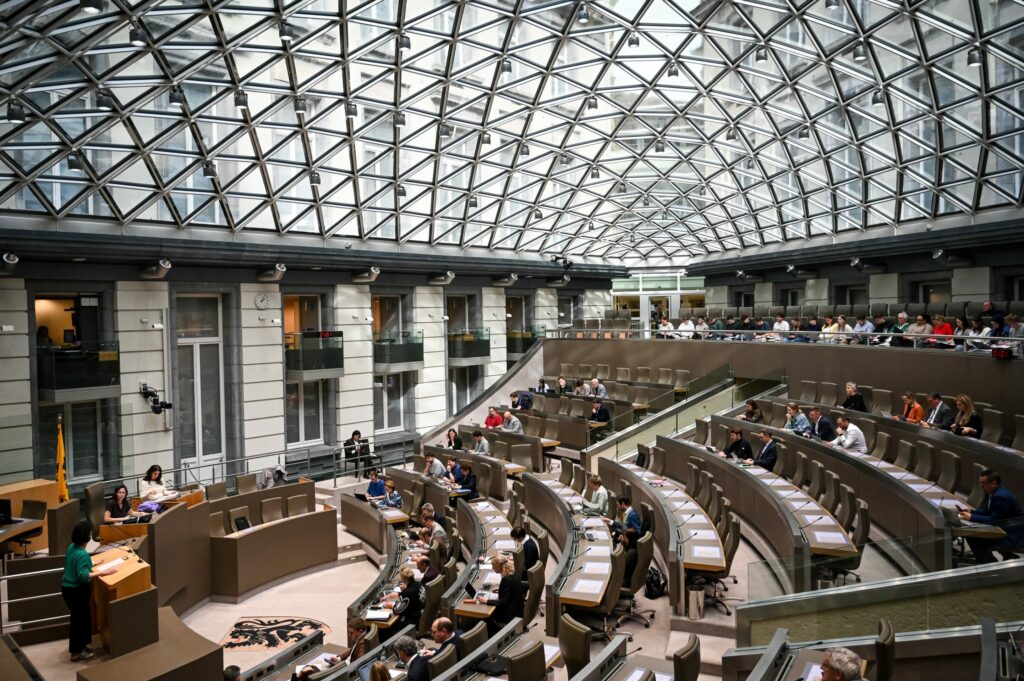
Cities and municipalities where Flemish ministers and members of parliament live receive more government subsidies, according to a study by Ghent University on Wednesday.
The university emphasised that the study only reveals statistical correlations and does not make any statements about individual decisions, De Tijd reports.
The study, conducted by doctoral researcher Benjamin Descamps, analysed Flemish subsidy flows between 2004 and 2023. The results show that municipalities where a Flemish minister resides receive, on average, 25% more subsidies.
Municipalities where a Flemish MP lives receive an average of 8.5% more.
However, the picture is not unambiguous. Among parliament members, the effect is only visible for members of the Flemish majority, unless they are mayors.
For MPs who are also mayors, the effect is strongest. Conversely, there appears to be no effect for ministers who entered the Flemish Government from the business sector or civil society.
Flemish Budget Minister Ben Weyts (N-VA) considers the results unsurprising, he told De Tijd. "Who would be surprised that politicians advocate for investments in their own region? Many voters will expect exactly that from their local representatives and see it as inherent to the job. Just imagine the opposite: an MP who does nothing for their own region. For some, that might be a bigger problem."
