
Whenever household budgets and public finances are under pressure, the income of elected representatives often comes under scrutiny. But how much do Belgium’s politicians actually earn?
A member of Belgium’s federal Chamber of Representatives receives almost €9,000 gross per month. Federal ministers receive annual remuneration of more than €250,000.
Some mayors receive six-figure annual salaries, while municipal councillors are generally paid attendance fees rather than a monthly salary.
This article provides a non-exhaustive overview of the official remuneration attached to political office. It does not cover the public financing of political parties or private donations to parties or election campaigns.
Legislative branch
Members of the Federal Parliament (MPs) currently receive a gross parliamentary allowance of about €8,990 per month, plus a monthly lump-sum expense allowance of about €2,650.
After an 8.5% pension contribution and income tax, the parliamentary allowance may correspond to roughly €4,500 to €5,000 net per month, depending on the MP's personal tax situation; the expense allowance is tax-exempt.
The parliamentary allowance is paid in full only if an MP attends at least 80% of plenary sittings and meetings of committees on which they are a full member. Deductions apply as attendance falls below that threshold. MPs are also entitled to holiday pay and an end-of-year bonus.
Neither the parliamentary allowance nor the expense allowance is currently being indexed; both have been frozen at their March 2025 levels for the remainder of the 2024–2029 legislature.
Former MPs who leave office may request a severance allowance, known as the indemnité de sortie or afscheidsvergoeding. It is paid monthly, is taxable, and corresponds to the parliamentary allowance plus the expense allowance. Its duration depends on length of service, ranging from four to 12 months.
The Senate operates differently. Since 2014, none of its 60 members has been directly elected. This means that 50 senators are designated by Belgium’s regional and community parliaments, while the remaining ten are co-opted by the other senators based on the federal election results.
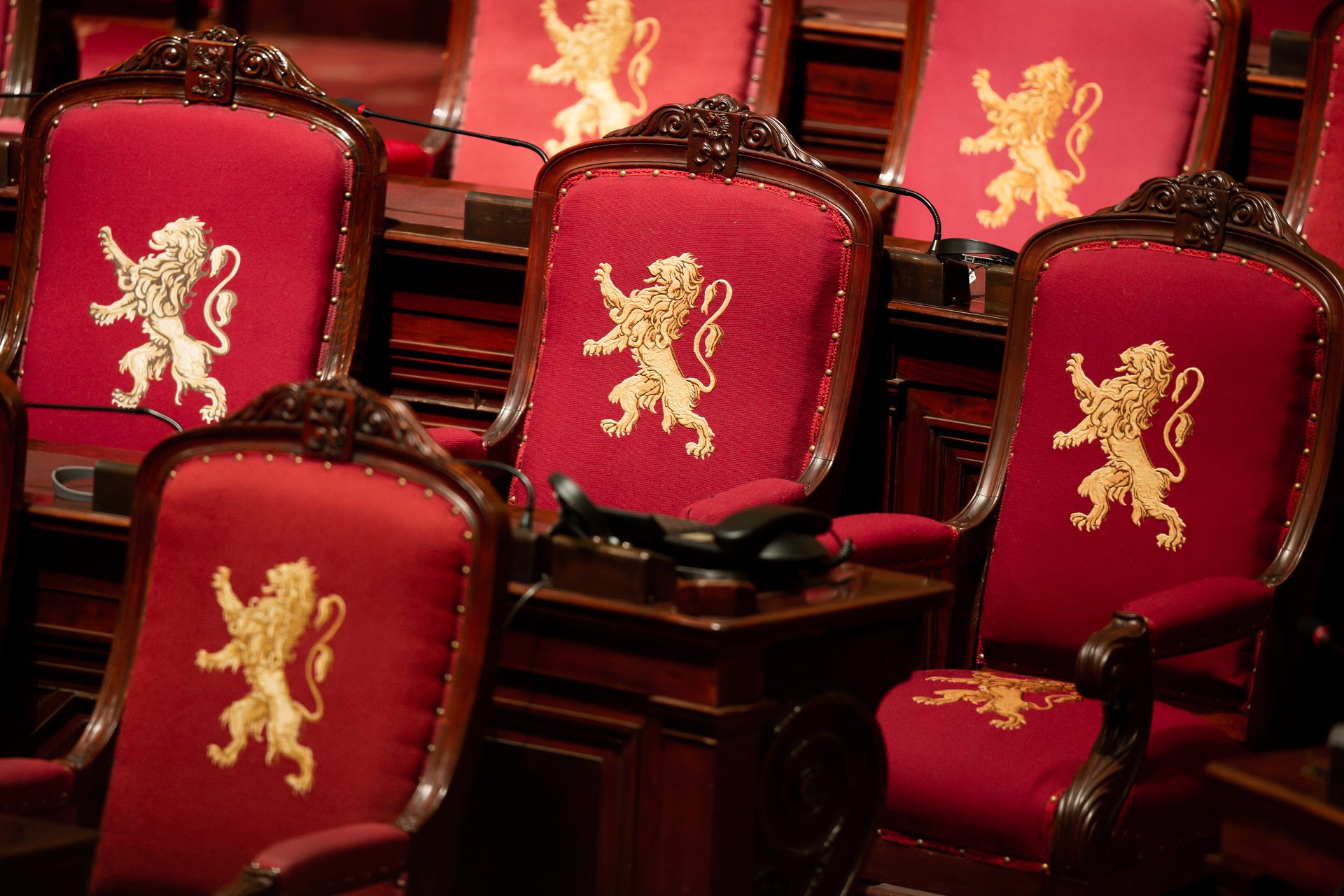
Senate at the Federal Parliament in Brussels. Credit: Belga / Nicolas Maeterlinck
Unlike the first group, who already hold another parliamentary mandate and receive no additional Senate remuneration, the co-opted senators are paid for their Senate mandate. The Federal Government plans to abolish the institution before the next elections, although this requires constitutional amendments and has not yet been completed.
Belgium’s Regions and Communities also have their own parliamentary assemblies. Members of the Flemish, Walloon and Brussels Parliaments receive basic parliamentary allowances under broadly similar remuneration arrangements, although the detailed rules differ between assemblies.
By contrast, the Parliament of the German-speaking Community operates on a much smaller scale. An ordinary member currently receives a gross basic monthly allowance of about €853, plus about €328 for each standing committee on which they sit.
They also receive a monthly expense allowance equal to 44% of their parliamentary remuneration and may receive €268 for certain official duties or meetings.
Municipal councillors usually receive no monthly salary. Instead, they are paid attendance fees, known as jetons de présence or presentiegeld, for meetings they attend.
In the Brussels-Capital Region, these gross fees currently range from about €122 to €244 per meeting, with each municipality choosing the amount within those limits. Municipal politics therefore generally remains a part-time activity for councillors.
Executive branch
Some of the highest levels of remuneration are found in the executive branch. Federal ministers receive annual gross remuneration of more than €250,000 – roughly €10,000 to 11,000 net per month, depending on their personal tax situation – as well as a monthly flat-rate allowance of almost €2,000 for housing and household expenses.
Regional and community ministers are also among Belgium’s highest-paid public officeholders, although their precise remuneration varies between governments.
Mayoral remuneration depends primarily on municipal population, although the precise scales and rules vary between regions. The mayor of Antwerp, a city of more than 500,000 inhabitants, is currently entitled to a gross annual salary of approximately €175,000.
By comparison, the mayor of Linkebeek, a small municipality of fewer than 5,000 inhabitants on the outskirts of Brussels, is entitled to approximately €55,000. Holiday pay and an end-of-year allowance are paid in addition to that amount.
As a general rule, aldermen – known as échevins or schepenen – receive 60% of the mayor’s base salary in municipalities with up to 50,000 inhabitants and 75% in larger municipalities.
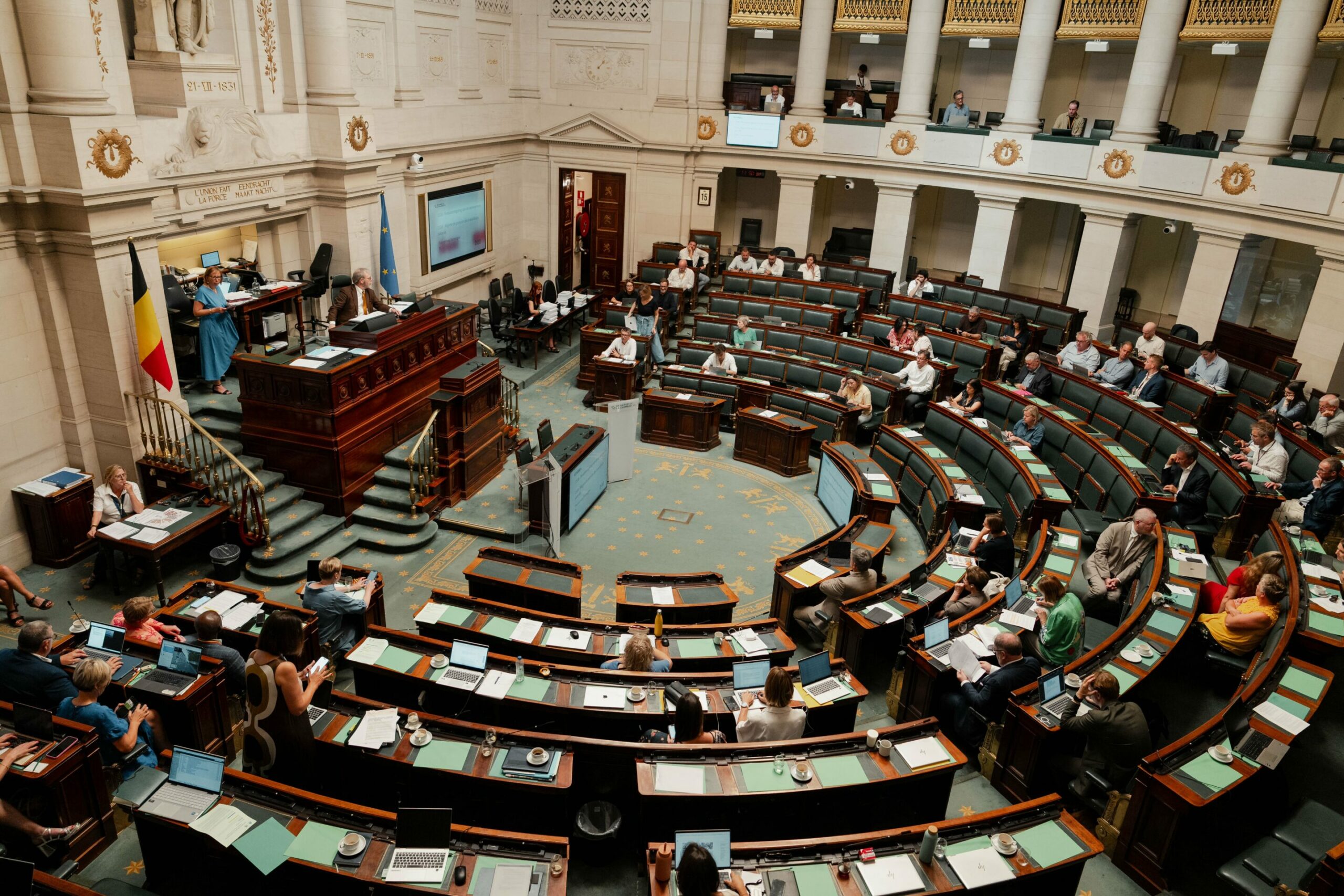
A plenary session of the Chamber at the Federal Parliament in Brussels on Wednesday 15 July 2026. Credit: Belga/Marius Burgelman
The Belgian system places limits on the accumulation of remuneration from public offices. Politicians have historically been able to combine parliamentary mandates with paid local executive offices, fuelling criticism over the accumulation of political power, responsibilities and remuneration.
One example is the ceiling applied to parliamentarians’ additional public remuneration. Remuneration from additional public political mandates, functions or offices is generally capped at 50% of the parliamentary allowance, meaning that the combined total may amount to no more than 150% of that allowance.
Ministers provide another example. They are subject to separate incompatibility rules that generally prevent them from simultaneously exercising other major paid political or public offices.
Beyond these formal restrictions, some political parties impose their own internal rules, such as requiring elected representatives to contribute part of their remuneration to the party or limiting the amount they may personally retain.
Overall, these arrangements show how closely political pay is tied to Belgium’s institutional structure. Earnings vary according to the level of government, the office held, the responsibilities involved and whether the role is full-time or part-time.
