
Throughout the last decade, Belgium has seen a sharp rise in recorded cases of sexual assault and rape.
Last year, 12,196 cases were reported in comparison to 7,949 in 2016, a sharp increase of 53%. Between 2024 and 2025, that percentage increased by 6% alone.
In 62% of cases, victims knew the person responsible, according to recent figures from the Institute for Equality between Women and Men (IVGM/IEFH). Among younger victims, the likelihood of the perpetrator knowing the victim is higher.
However, this data is still incomplete, as police statistics record incidents that are reported to authorities, not incidents that occur but remain undisclosed. Studies, like one conducted in 2018 by Security Monitor, estimate that around 82% of sexual assaults and rapes go unreported.
But a hopeful trend has emerged regarding the support victims receive. Belgium’s ten sexual assault centres are increasingly being used, with a reported 22,500 victims receiving assistance through the Sexual Violence Care Centre network between 2017 and 2025. Over 5,000 victims sought help in 2025 alone – or 14 people a day. Additional centres are planned in Halle-Vilvoorde, Tournai and Ottignies.
The average age of victims who sought help at a care centre was 24. Nine out of ten of the victims were female. Women have historically been victims of sexual crimes at a higher rate than men, with a study cited by the Sexual Assault Centres finding two in five women and one in five men have reported experiencing hands-on sexual violence. Additionally, 19% of women and 5% of men reported having been raped.
Only 7% of respondents who identified themselves as victims said they had sought professional help.
Sexual violence is an issue that spans generations. The same study found 64% of people aged between 16 and 69 had experienced some form of sexual violence, ranging from sexual harassment to sexual exploitation in their lifetime.
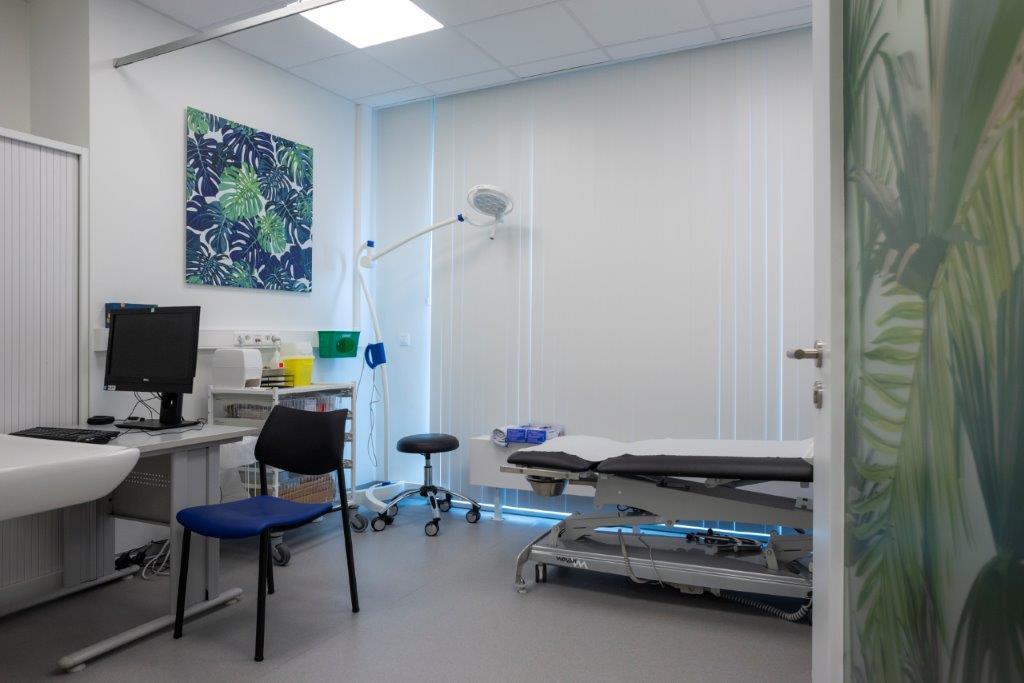
These statistics are a stark reminder of the importance of care centres. At a centre, victims can receive medical and psychological care, undergo a forensic examination and have potential evidence collected. Adults can also file police reports. The decision to report doesn’t have to come immediately, as centres can preserve evidence from the initial examination, giving victims more time to decide what they want to do.
However, a larger number of victims attending a centre doesn’t exactly mean that the underlying incidence of sexual violence has increased by the same amount. As more centres have been added and they become better known, victims have better access to specialised assistance.
But since not all cases of sexual violence are reported to the authorities and not every victim seeks help at care centres, it’s impossible to truly know a concrete number of how many Belgians have been affected by sexual violence. The reasons for this are varied. Victims may fear not being believed, feel shame or are uncertain about the reporting process.
In cases where victims know their assaulter, reporting the crime could have consequences for their family relationships, employment or social networks. For children, the situation can be particularly complicated because the person responsible may be someone they rely on or encounter frequently.
Victims of sexual violence can find their closest care centre here.
