
Regional health authorities in Belgium have reported new probable human cases of West Nile virus, with eight likely infections now recorded in Flanders and two locally acquired cases in Brussels.
The Flemish Department of Care said the total in Flanders had risen to eight very likely or likely cases. In addition to the five probable infections announced at the end of last week, three more people are believed to have been infected in the provinces of Antwerp and Flemish Brabant.
One person was admitted to hospital with neurological symptoms but is now recovering. The virus has also been detected in a horse in Limburg.
In Brussels, Vivalis reported two people who are believed to have contracted the virus locally. One is a Brussels resident who is now in good health and no longer has symptoms.
The second case involves an Italian tourist who has since returned to Italy. He did not show acute symptoms.
No human infections were reported in Wallonia, according to AVIQ. However, two birds in the region tested positive for the virus between May and August.
Related News
- West Nile Virus: Five suspected cases of human infection in Flanders
- First local infection of West Nile virus detected in Belgium
- Should Belgium worry about the spread of the West Nile Virus?
No human cases were reported in the German-speaking Community either, according to its infectious disease control unit.
Health authorities said the latest cases were expected given the active circulation of the virus. They stressed that the risk of infection remains low, but urged doctors to stay alert to possible symptoms.
They also called on the public to take precautions against mosquito bites, particularly older people and those with weakened immune systems. Such measures are recommended until the end of the Belgian mosquito season, which is expected to last until the end of October.
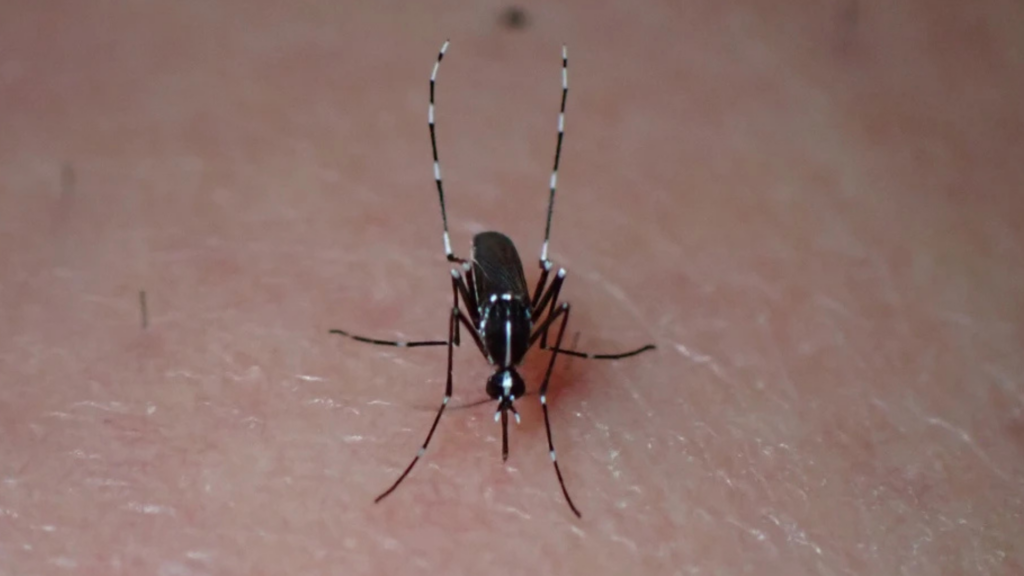
West Nile virus is transmitted to humans only through the bite of an infected mosquito. Around 80% of infected people develop no symptoms.
Among the roughly 20% who do develop symptoms, the illness is usually mild and flu-like, including fever, headache and fatigue. Fewer than 1% of cases become severe and lead to neurological complications.
Older people and those with weakened immune systems are at greater risk of developing serious illness.
